Although domestic cats are one of our most popular companion pets, we have for centuries, been bad keepers of them and allowed them to breed indiscriminately, introduced them to countries around the world where they didn’t naturally exist and where they have upset the balance of nature, abandoned them in large numbers and generally failed to act responsibly with them. They are now paying the price of our reckless behaviour.
What is a feral cat?
Over generations domesticated cats, for various reasons, have been left to their own devices without human interference and they have reverted to their wild instincts. We call them feral rather than wild and they tend to remain disassociated from us, preferring to scavenge and hunt in order to survive. Because they have been born ‘wild’ it can be difficult to fully adapt them back to domesticity.
Ferals differ to what we refer to as strays because stray cats were generally once ‘owned’ but for one reason or another have lost their homes and are not as adept at surviving without some human contact. Given time though they can also revert to be totally feral.
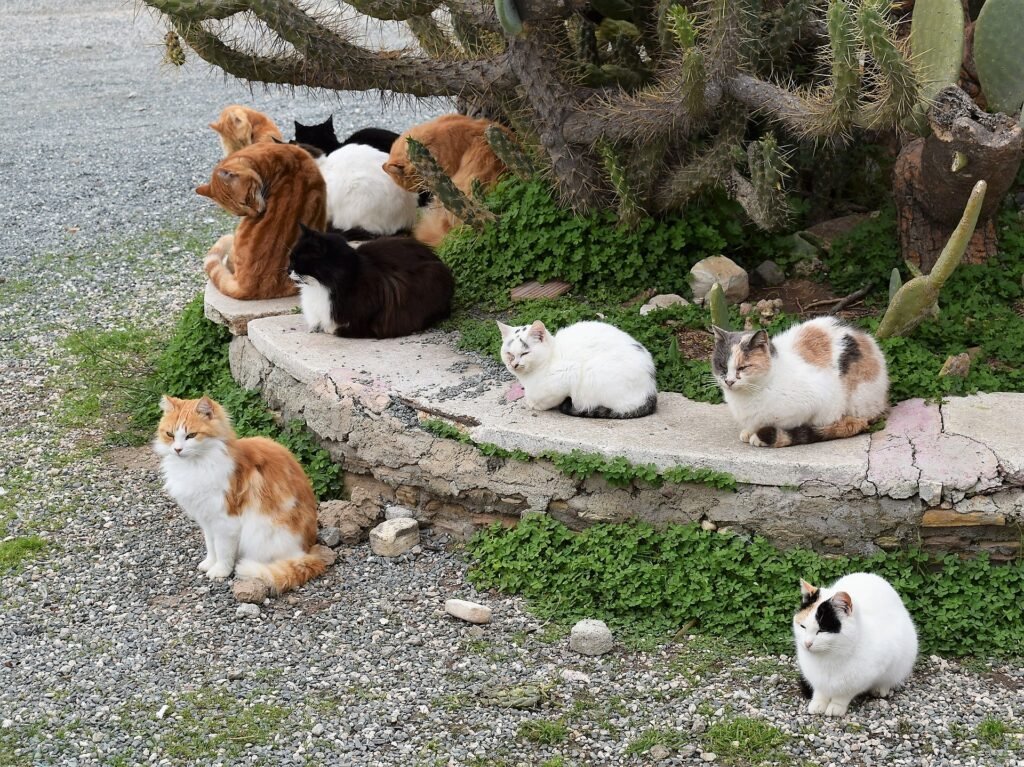
Being ‘animal lovers’ we cannot resist interfering in the lives of both feral and strays and insist on trying to help them, by feeding, catching and neutering them and encouraging them to live in closer proximity to us which results in them becoming more dependent on us. This can lead to conflict with local residents and even governments who view them as a nuisance or even vermin.
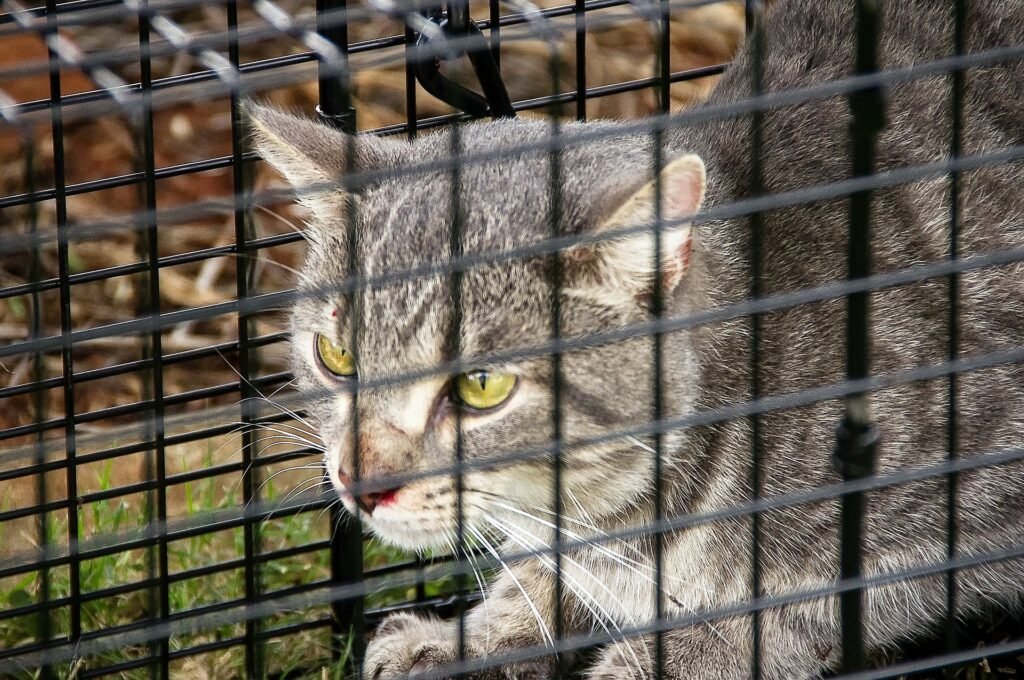
Feral cats face unpleasant and agonising deaths through poisoning and trapping.
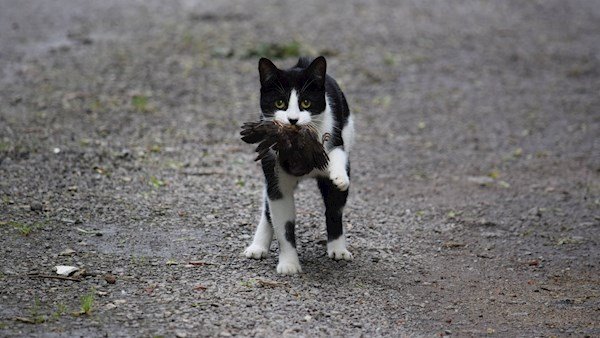
Governments and conservationists in Australia and New Zealand and many island nations are paranoid about their feral cats because of their impact on small native species of birds, reptiles and small mammals particularly marsupials. These countries go to extreme and costly lengths to eradicate them going to such lengths as using aircraft and helicopters to drop poisoned bait and shooting and trapping them.
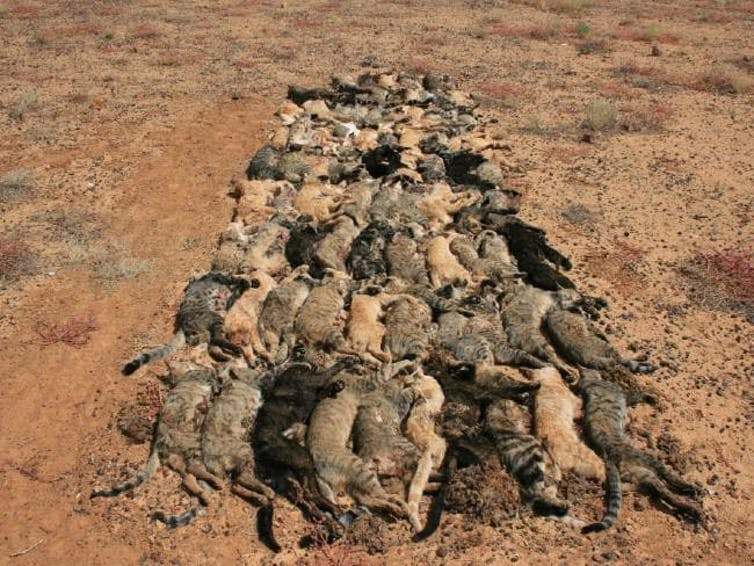
Australia has a five year plan ending in 2020 to kill 2 million of them by various methods including dropping 50 poisoned ‘sausages’ per square kilometre from aircraft at a rate of 500,000 baits a month. An estimated 211,560 cats were killed in the first year. They are blamed for killing 75 million native animals and have allegedly driven at least 27 mammal species to extinction.
Gregory Andrews, the threatened species commissioner for the Department of the Environment stated: “We don’t hate cats. We just can’t tolerate the damage that they’re doing to our wildlife”. All kinds of methods are used to exterminate them and they have been eradicated from over 50 islands and large areas of the Australian and New Zealand mainland.
They may not be able to breed but they can still eat
Cat loving advocates prefer to trap, neuter and return them back to fend for themselves, something now referred to as ‘TNR’. The jury is out as to whether this has much impact on numbers, but releasing them again doesn’t appease those that do not like them eating wildlife.
Conservationists, individuals and local and state governments find extermination to be the answer and decry any other initiative such as TNR as it is not viewed as cost-effective and doesn’t decrease numbers because you need to neuter all of them and not allow any to be abandoned. And it just maintains large cat colonies which in some circumstances can cause havoc in nearby sensitive wildlife areas. They may not be able to breed, but they can still eat is the stance that the exterminator lobby take.
New Zealand like Australia wants to rid the country of 2.5 million feral cats by 2025 and Gareth Morgan, a businessman and philanthropist, began a “Cats to Go” campaign aimed at eradicating all cats from the country as they were destroying native animals. The campaign accused the local NZSPCA of not getting real and he stated that the country should “stop pussyfooting around and fry the ferals”.
The Australian branch of the Cats to Go campaign reckon they are far ahead of their New Zealand counterparts, “who lack spine in dealing with wandering cats, by compulsory microchipping, fines and legislated areas which prohibit cats being outdoors,” instead of killing them.
The town of Omaui in New Zealand has plans to be the first authority to ban cats by stopping owners from replacing their pet after it dies to gradually phase them out. Some countries want to ban them going outside at all, others have curfews and bans on letting cats out if they live near vulnerable wildlife. There is a worldwide movement to basically curtail cat owning and stop cats from enjoying a natural life.
Their crime is pursuing their natural instincts and behaviours as predators.
In the USA, where it is believed there are 70 million feral cats roaming the country, the Smithsonian Conservation Biology Institute and the Fish & Wildlife Service combined their research and accused cats of killing 1.4 to 3.7 billion birds and 6.9 to 22.3 billion mammals each year. They reckoned two thirds of the deaths were caused by feral cats. Research in Canada where they have fewer feral cats appears to back up these incredible statistics. The authorities wage a similar war on them as in Australasia.
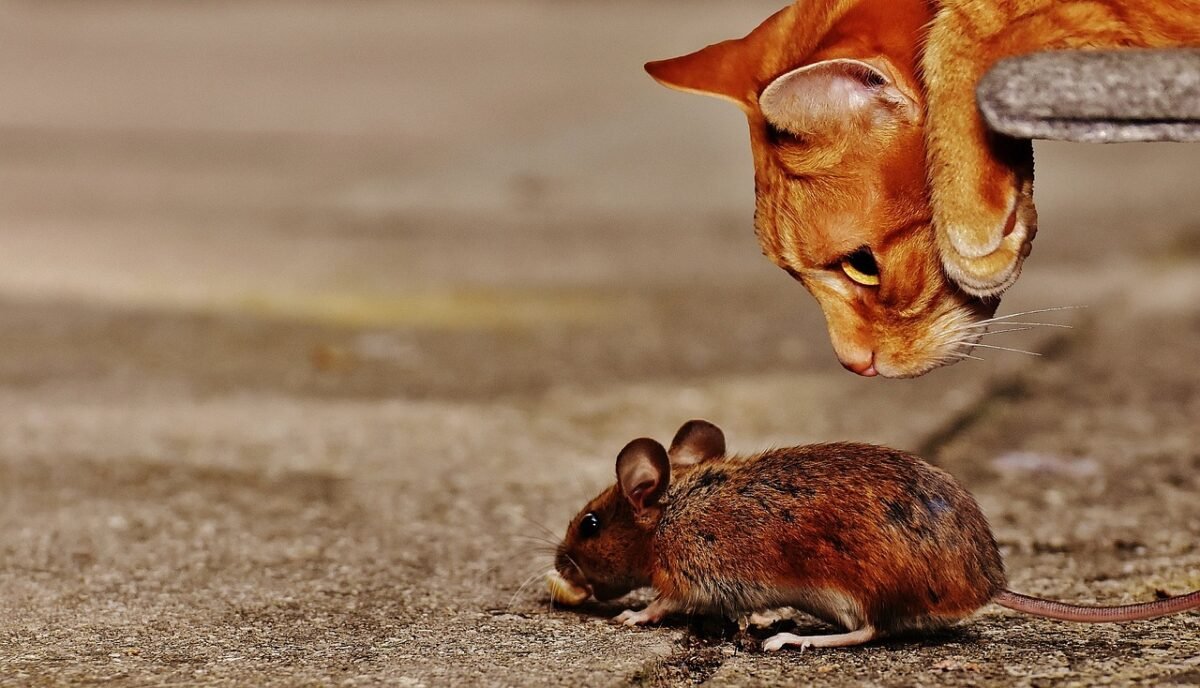
The UK Mammal Society believe 275 million animals are killed by cats, including 55 million birds and 80 million mice. They have even been implicated in the death of 230,000 bats. Bizarrely the top three birds allegedly killed by cats are house sparrows, blackbirds and starlings which we look upon as pest species anyway in the UK and slaughter in their millions. The whole debate then becomes rather meaningless.
But strangely there are no studies or evidence that cats are the only or main cause of any bird depopulation, except in the cases of small islands. Agriculture, logging, climate change and human interference are probably more to blame. Surprisingly, the RSPB, the UK’s leading bird conservation organisation, have supported the cat in the past pointing out that:
“there is no clear scientific evidence that such mortality is causing bird populations to decline. This may be surprising, but many millions of birds die naturally every year, mainly through starvation, disease or other forms of predation. There is evidence that cats tend to take weak or sickly birds”. RSPB
The lines are drawn between those who want to kill all the ‘nuisance’ feral and stray cats and those who wish to neuter and release them and it is pretty obvious which side will prevail. This is particularly so in countries like Australia, New Zealand and islands who have vulnerable rare native species of birds, mammals and reptiles. The shame of it is that none of this was their fault and their only crime is in trying to survive by pursuing their natural instincts and behaviours as predators. The blame, as always, lies with all the generations of irresponsible human owners who have created the problems and the lack laws to control ownership.
Blog updated 09/01/2020