Veterinarians are not all saints and saviours.

Do we hold the veterinary profession in too much esteem?

In May 2018 a UK veterinarian was found guilty of collusion in a fraudulent puppy smuggling ring involving over 5,000 designer puppies by providing fake certificates stating they were free of disease, wormed and vaccinated and misrepresenting them as coming from family homes, when in fact they were imported from puppy farms. Many of the puppies fell ill or died soon after being purchased, and the vet allegedly made over £75,000 from the deal.

One would hope that this is an isolated case, but sadly, each year, many UK veterinarians fail to live up to the reverence we hold them in. Like all of us they are only human and veterinary life appears to take a heavy toll often turning them from saints into sinners. In 2019 there were over 20 veterinary surgeons brought before the Veterinary Disciplinary Committee for various indiscretions concerning dishonesty, incompetence, lack of empathy, drug taking and cruelty. 

The veterinary disciplinary committee.

Most veterinary regulating authorities around the world have a disciplinary committee. In the UK it is presided over by the Royal College of Veterinary Surgeons (RCVS) and meets several times a year dependent on how many vets are accused of misconduct.

It is similar to a normal court of law, where those veterinary surgeons that have allegedly infringed the code of conduct and ethics or whose personal behaviour might bring the profession into disrespect or may have harmed the animals in their care are hauled up before a committee of their seniors.

Surprisingly, there is a long list each year and the cases heard result in either acquittal or bans from practising, or suspension or heavy censure which perhaps reflects the stresses of the profession.

The following are a selection of recent cases against veterinarians:

In January 2020 a Luton-based vet was removed from the register for repeated clinical failures, despite previous warnings over a four year period for disgraceful conduct in regard to neutering operations.

In July 2019 a veterinary surgeon was suspended four months when found guilty of kicking and stamping on a bull terrier that had bitten him during examination, also for leaving a Jack Russell in a sink alone for a long period without reason and leaving a six week old kitten without bedding or warmth.

A vet was suspended for four months for failing to recognise a kitten could not pass urine, failed to refer it to a specialist and failed to ensure the kitten received care and treatment overnight. Another colleague was reprimanded for the same kitten for performing surgery without adequately considering her condition, administrating detrimental medication and subjecting the kitten to anaesthesia despite its serious condition.

One was suspended for 9 months for causing a “risk of injury or harm to an animal as a result of inadequate care and also dishonesty in subsequently fabricating clinical notes of the dog which was left unable to urinate by itself for lengthy periods while in her care.

In December 2019 a vet was removed from practice for stealing and taking ketamine and methadone while working.

A VetsNow Veterinary Surgeon was suspended for six months for disgraceful conduct having pretended that an owner’s French Bulldog only gave birth to four puppies when in fact it had six pups and the vet and an assistant had kept two of them.

A vet was reprimanded for dishonesty for practising as a vet for over a year when not registered in the UK to do so and posting pictures on social media of animals in her care without the owners consent.

Some of the worst cases over the last few years:

In 2016 a veterinarian was found guilty of causing unnecessary suffering to 22 huskies and 8 cats which had been kept in an underground room beneath the surgery in filthy cages, having previously been investigated for his conduct at Nottingham Greyhound stadium and having been struck off and then reinstated;
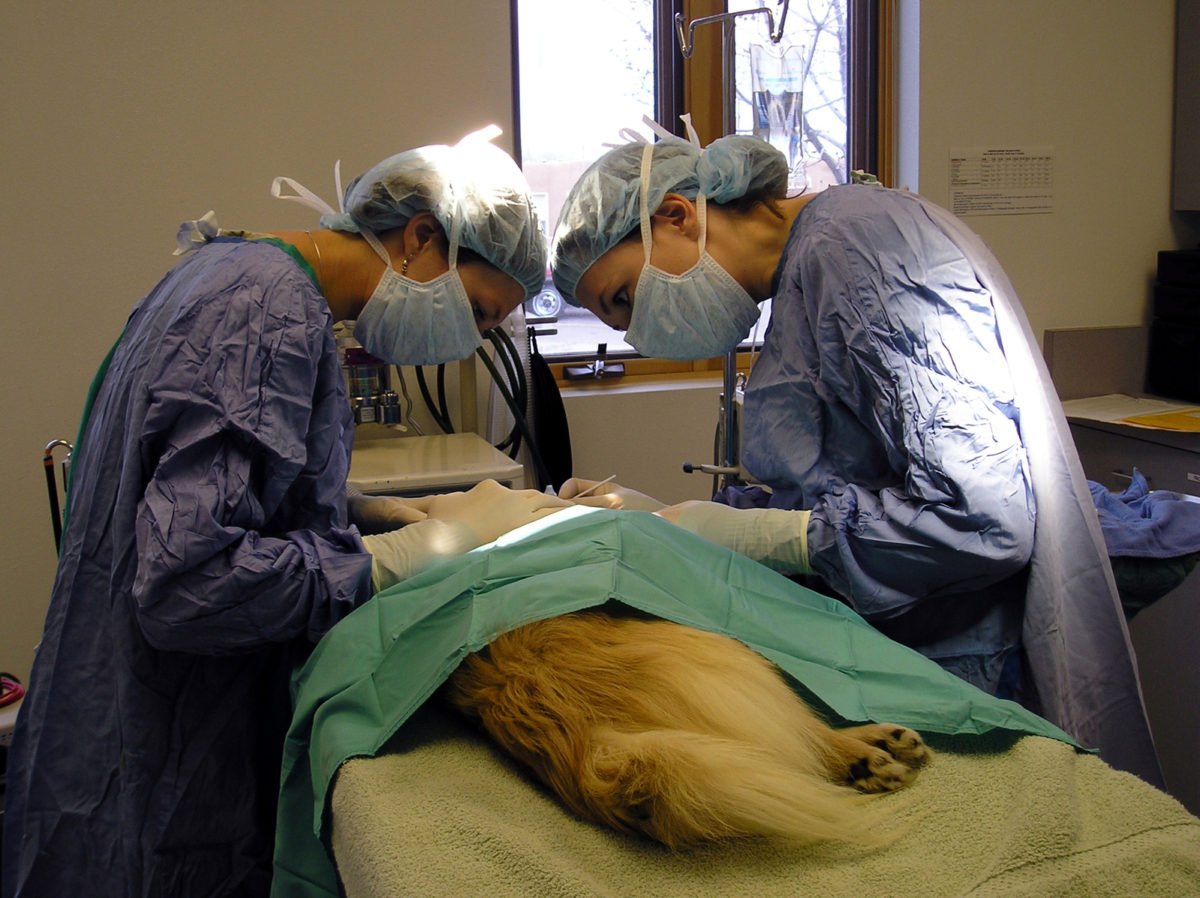
Veterinary surgeon, veterinarian, dog, operating table

The RSPCA prosecuted a vet in 2016 who was convicted of causing unnecessary suffering to two of her own dogs, one of which she allegedly  euthanized and dumped in her garden before Inspectors could retrieve the dog. She received a fine of £630 with £362 costs and was later banned from practicing as a vet.

A vet was removed from the register following allegations of unreasonably delaying visiting a dog which was lying in the road in severe pain having been hit by a car and allowing the animal to stay in pain longer than necessary. Allegedly the vet preferred to see to clients waiting in his surgery rather than travelling the short distance to the dog’s aid.

Do we hold the veterinary profession in too much reverence?

Many such incidents are  published each year by the College and the media. They make interesting reading as they encompass and highlight the pressures that vets are under particularly the conflicts of interest and the commercial aspects which can get in the way of compassion and animal welfare such as refusing to treat an animal without prior payment, refusing to put a pet to sleep, being rude to clients, failing to examine animals adequately due to time constraints, not maintaining records and operating unhygienic premises.

It could be said that we may view the veterinary profession with too much respect and often fail to question some of their actions, policies and motives when treating our animals. We too readily accept their decisions and high fees and rarely investigate the need for expensive tests and investigations and are embarrassed about requesting a second opinion or considering alternative remedies.

Of course most vets are beyond reproach and we shouldn’t be too hard on them as it is an extremely stressful profession. There is a shortage of vets in the country overburdened by our obsession to own pets particularly dogs which apparently results in many personal health issues and a high suicide rate, but none of this should get in the way of high standards of animal care and an empathy for their patients.

Updated February 2020
Hunting with dogs and the “unenforceable” ban.

The UK Hunting Act 2004 was never going to work.

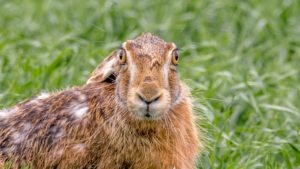
Hare, hare coursing, illegal hare coursing, cruelty to animals, animal welfare
Watch out, there’s a hare courser about.

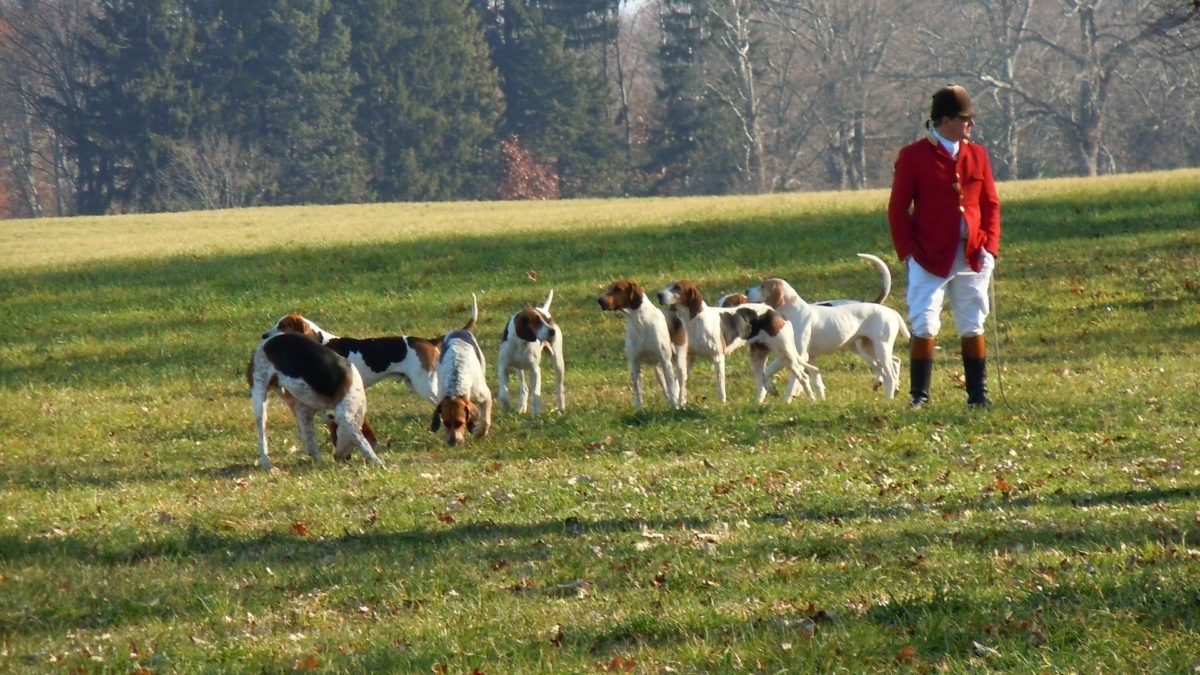
Whenever there is talk about the Hunting Act it tends to revolve around fox-hunting but other forms of hunting with dogs were also banned particularly hare-coursing. Fox hunts were not disbanded, but given an olive branch and allowed to flourish through drag or trail hunting and remain popular events with the public particularly the festive Boxing Day hunts.  Traditional fox-hunting with dogs is still legal in Northern Ireland and hare coursing events continue in southern Ireland. This has allowed hunts to continue to breed and keep their hound packs for the day traditional hunting is made legal again.

In the case of hare coursing, although there is an outright ban, there has been little protection for the hares as illicit coursing continues unabated  in some parts of the country, particularly eastern England and just like fox hunting the police and enforcement authorities have no way of stopping it even though they have more powers than for fox hunting. They have been forced to use hundred year old laws like the Night Poaching Act 1828 and Game Act 1831 to help combat it as the Hunting Act is so useless. Some Police authorities have stated that it is more prevalent now than before the Act with hundreds of dogs abandoned, injured and killed as a result. [More on hare coursing in a future post]

The Act was badly conceived mainly because the Government tried to appease all sides of the debate and did not consider the practical aspects which has made the law a bit of a farce and has resulted in some forms of hunting of foxes and hare coursing to continue.

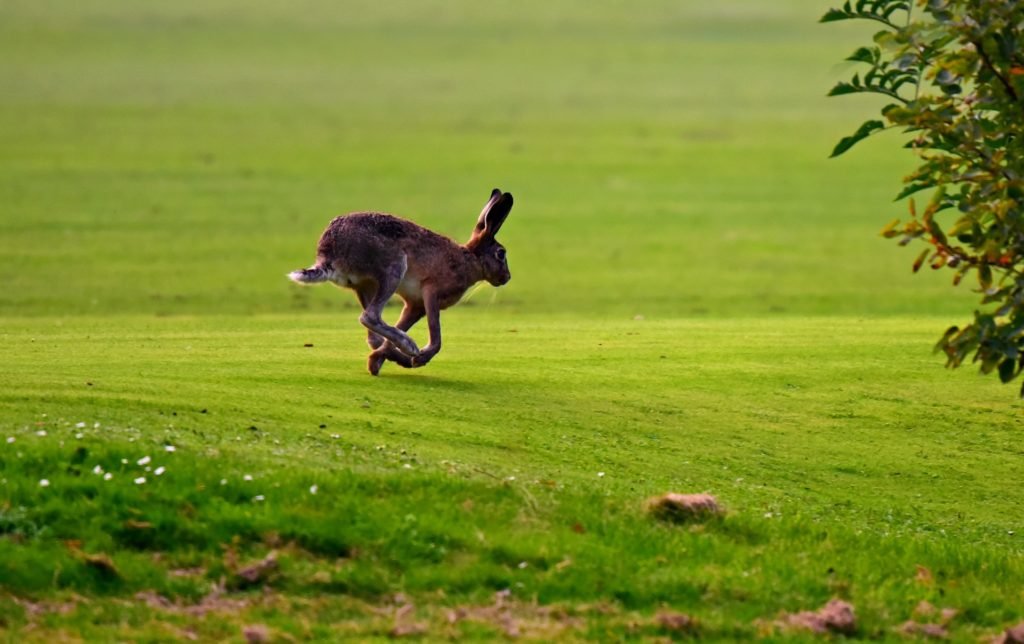
Hare, hare coursing, illegal hare coursing
There is not let up for the poor hare with gangs of hare coursers roaming the countryside.

The UK Hunting Act 2004  is so complicated and full of loopholes that law enforcers try not to involve themselves in investigating alleged offences  because obtaining sufficient evidence to put before a court is costly, time-consuming and a nightmare. This becomes obvious when you read the various websites and reams of advice issued to try to clarify the subject .

So what is hunting with dogs?

The legal definition under the Hunting Act 2004 of hunting is:

  • to pursue or kill for sport or food;
  • to try and find by diligent searching and to pursue and capture;
  • to pursue or approach stealthily or to move silently through;
  • to drive (a bird or animal, especially game bird) from cover.

The Hunting Act 2004 describes 5 punishable offences:

  • Hunting a wild mammal with a dog;
  • permitting land to be used for hunting a wild mammal with a dog;
  • permitting a dog to be used for hunting a wild mammal;
  • participating in, attending, facilitating or permitting land to be used for the purposes of hare coursing;
  • entering, permitting or handling a dog in a hare coursing event.
A wild mammal is defined or considered to be a mammal which is living wild, bred or tamed; in captivity or confinement; escaped or released from captivity.

Basically on the face of it any live mammal is protected from being hunted or pursued by dog(s), but of course this would be too easy and so to appease the hunting lobby,  hobbyists and pest controllers there are exemptions which can be exploited to continue fox-hunting.

The “Unenforceable ban”

So it is legal to use dogs to hunt rats, rabbits and wounded shot hares, but there are several farcical loopholes that hunts can use to continue hunting almost normally under what is known as the “unenforceable ban” which include:

using 2 dogs to “flush a fox out of cover” to be shot by a qualified marksman if it is being done to prevent damage to property, food crops, timber, fisheries or biological diversity, but of course the marksman could miss and the fox escape with the trained hounds in pursuit.

flushing a fox to a bird of prey which allows a hunt to take a bird of prey along and as many hounds as they wish to flush out a fox for the purpose of enabling a bird of prey to hunt the wild mammal” as long as the bird is capable of catching  the animal such as a large eagle owl.

But the major loophole was allowing drag or trail hunting to continue, a situation that was always a recipe for future trouble, a fact well anticipated by the hunters. Allowing packs of hounds to continue careering around the countryside was always going to lead to confrontations with foxes and you can almost imagine the Master lining the hounds up for their pre-hunt pep talk :

“Right lads normal tactics today, you know the drill. Try and keep on track, but if you get a whiff of a real fox scent and happen to veer off in its direction do not make it too obvious lads as we will all be in trouble-know what I mean, [Wink Wink]”.

Hounds of course are not going to go against their natural instincts and sense of smell obtained over countless generations and many huntsmen are not going to pass up a golden chance to hunt a real fox when the opportunity presents itself.  Although it would be heartening to believe that not all Hunts participate in any wrong doing realistically many probably do. Everyone knows that the excuses that the chase was purely accidental or unintentional and the hounds were out of control are always going to be difficult to legally dispute. The act of hunting must be proven as predetermined or intentional which is difficult to show in most cases.

Anti-hunt saboteurs continue to monitor hunts

Many potential court cases are dropped by the Crown Prosecution Service (CPS) due to what they view as a lack of tangible evidence and those that do reach court are rarely successful in regard to fox-hunting, but there have been many successful prosecutions for hare coursing. The Police and RSPCA do not have the time, and in the case of the Police, the inclination to keep an eye on the hunts which results in anti-hunting charities and hunt saboteurs having to continue monitoring hunts. This in turn causes friction leading to often violent disturbances. In practical terms it is impossible to keep track of the freely roaming hunts which are often held on private land.

There was a golden opportunity missed to completely halt hunting with dogs if the law makers had only banned drag hunting and the keeping, breeding and use of packs of hounds, but this was too easy. If the day ever arrives when hunting with hounds is made legal again, they will be ready and waiting to step in with all horns blaring complete with all the equipment and facilities to begin again.

Related Articles: