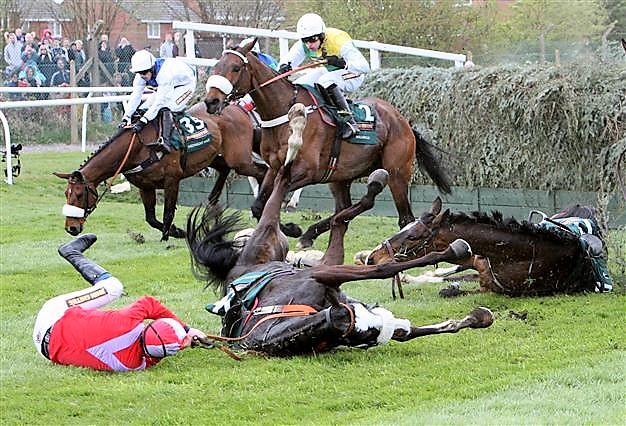
Grand National – Carnage or Spectacle?

The excitement of the 2019 Grand National is over and it is time for the usual post mortem. One horse killed and another taken away by ambulance appears according to the media and racing authorities to have been a pretty good result. Two other horses, Forest des Aigles and Crucial Role, were also euthanised the day before but have received little attention. Track authorities and the British Horse Association (BHA) are obviously saddened again and Dickon White, of the Jockey Club  Stated:

“As a sport of animal lovers, we wanted every horse to come home – and sadly that’s not been the case with Up For Review”

a statement which makes it is difficult to get one’s head round what qualifies as being an animal lover these days. The media state that “38 runners returned safely” – but returned safely to where? Obviously their stable as they didn’t finish the race. Only 19 (47%) out of 40 actually past the finishing post.
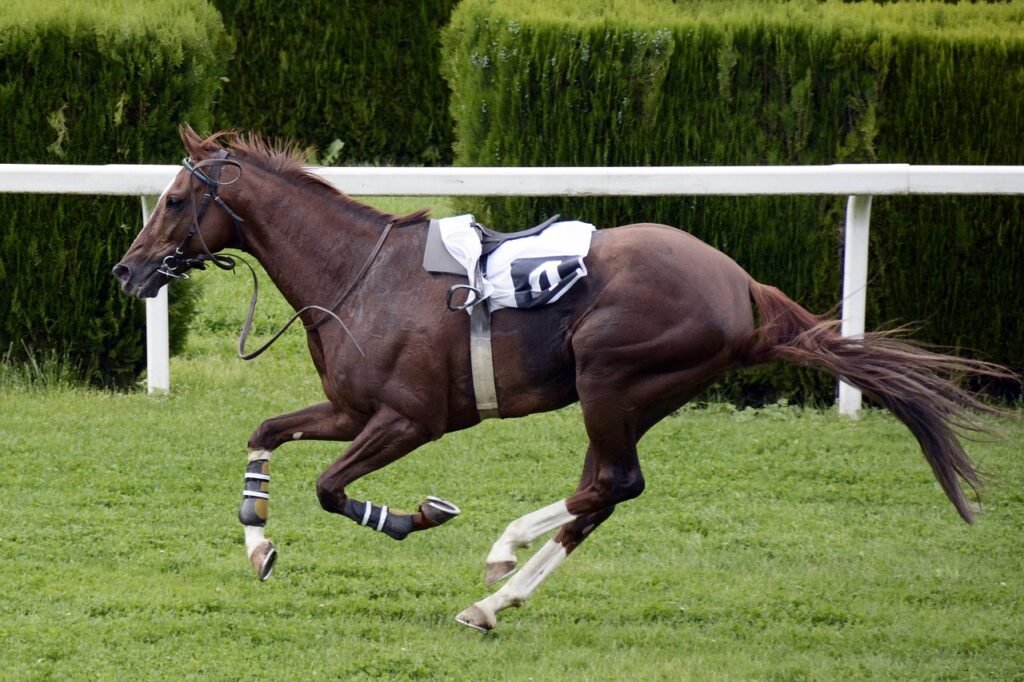
Riderless race horse

It is not difficult to deduce from the statistics that most of the horses present just provide the spectacle and have no chance at all of competing or finishing the race. People watch the National for the excitement and anticipation of the stampede to the first fence when everyone holds their breath to see if they get over safely or fall. But do some racegoers secretly hope that there will be a spectacular pile up rather like in Formula One when the cars approach the first bend  or the cycle riders in the Tour de France. There is a certain element of wishing for tragedy as no one wants a “boring”race.

Carnage at the fences.

This year at the first fence Up For Review was brought down by another faller and was fatally injured and at the sixth fence three fell and one pulled up. So we had already lost 8 horses by the sixth fence and then the race continued without incident until we get to the 21st fence where a horse pulled up. Horses were then pulled up or refused at the 25th, 26th, and at the 27th a rider was unseated, then 4 horses refused or pulled up at the 28th and 5 at the 29th.

There is an obvious pattern here: the attrition rate increases the further into the race they get when more horses find that the going is too tough. These are all horses that are perhaps not fit or strong enough to last the course – the cannon fodder to make the race a spectacle and for who the race is too much of a challenge. It’s not science, but seems logical that horses tire just like humans in marathons or steeplechases and cannot find that last effort to finish.

The race is 14 fences too long & involves too many horses.

The racing fraternity are proud that the National is the longest National Hunt race in Britain and that it is the ultimate test of horse and jockey jumping 30 fences over a distance of 2.25 miles. And this is the problem. The race is too long, has too many high jumps and too many participants.

Many campaigners including the RSPCA believe the best way forward is to work with the authorities to improve the welfare of the horses during the race which they state they have done successfully for the last thirty years and list many so-called improvements, but most of these are just peripheral to the main problem. Thirty years on we still have horses dying and suffering and being injured and more importantly horses being pushed beyond their limits.

There is no chance of the race being banished in the foreseeable future because of all the tradition and history behind it just like fox-hunting, not to mention the huge financial benefits to everyone involved. And of course supporters want carnage and spectacle not just any old horse race, because this is what they watch it for. The only way of reducing the suffering is to shorten the race to one lap of the course, cut the numbers involved and lower the fences, but this is never going to happen.
Related articles:

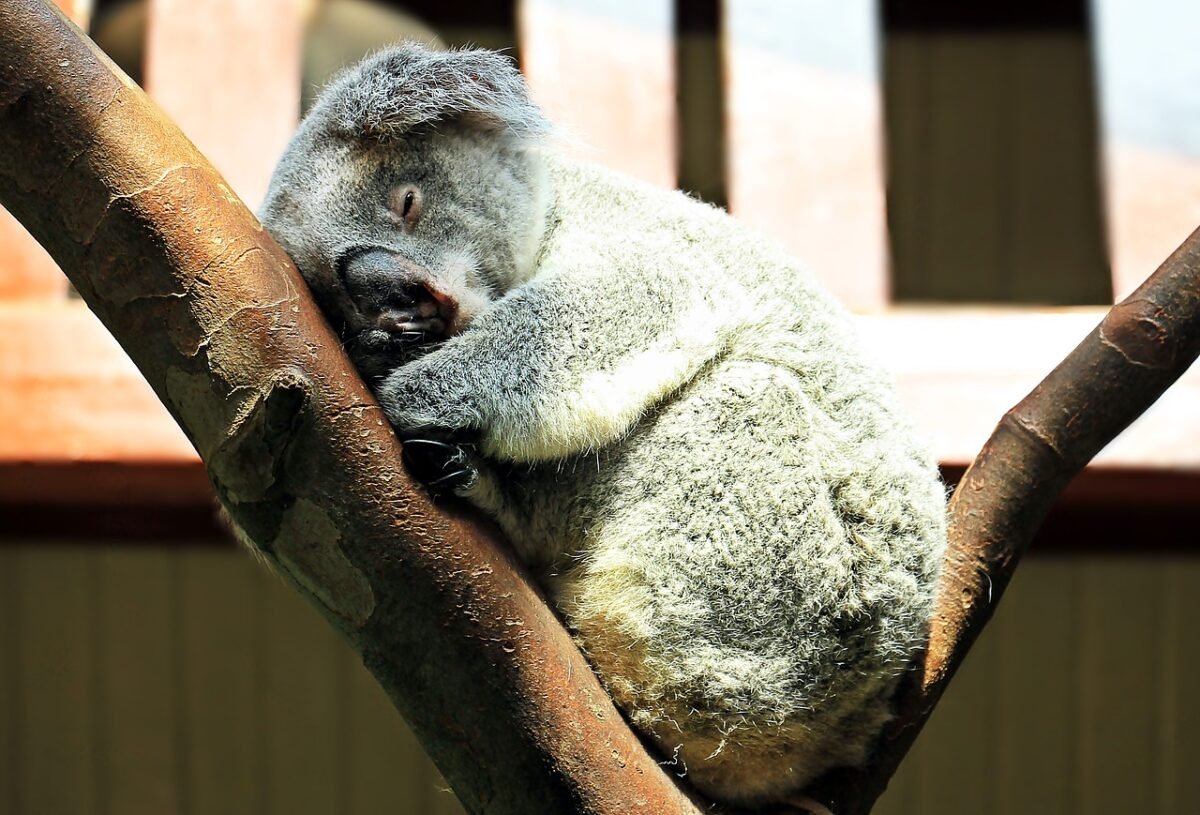
Longleat criticised for importing koalas for money-making.

Visitors to animal attractions should not be fooled by all the conservation hype.

Longleat Safari Park came under intense criticism in October 2018 by the Born Free Foundation for importing five southern Koala bears half-way round the world from eastern Australia to stock their new “Koala Creek” attraction. Although Longleat strongly refuted the suggestion that the attraction was a “money-making” venture and insisted it was a vital conservation and research project it is strange that two wombats were also obtained along with some Pottoroos to form the new Koala Creek located next to the Giant Otters and Crocodiles. Whether scientific or money making it did wonders in increasing footfall and publicity for the park. 

One has already died unnecessarily in the name of conservation.

There was so much wrong with this enterprise including the timing of its opening on the 29th. March just as the school Easter holidays were approaching which cannot have been a coincidence. Longleat were also quick to point out and promote the attraction as the only place in the UK to see Koalas.  It is so similar to the Chinese hiring out Giant pandas for zoos to increase their income.

One female Koala tragically died  soon after arrival from kidney failure.  Luckily it wasn’t Dennis the only male of the five otherwise the ‘breeding programme’ would have been a non-starter. Apparently Dennis was found to be too young to breed anyway so this necessitated another “rare” male 12 year old Koala named Burke, a proven breeder, travelling 10,000 miles from a zoo in Japan. So far it would appear that neither Dennis or Burke are making much headway in saving the world’s koala species. 

There is also the question of how “vulnerable” Koala numbers are, as Australian authorities have in the past allegedly killed at least 700 koalas in euthanasia culls in coastal bushland areas near Melbourne because of overpopulation and “for their own good”. Koala  populations are “strong” in southern Australia according to many sources and there are dozens of sanctuaries, zoos, wildlife parks and attractions throughout Australia that have them in captivity. 

The Koalas have not been but from a pseudo wildlife park called Cleland Park which is one of the few in Australia where you can manhandle and cuddle these shy, sedate and easily stressed animals for an extra fee to have your photograph taken. This behaviour is finally being phased out by most other similar enterprises.

male tiger in zoo

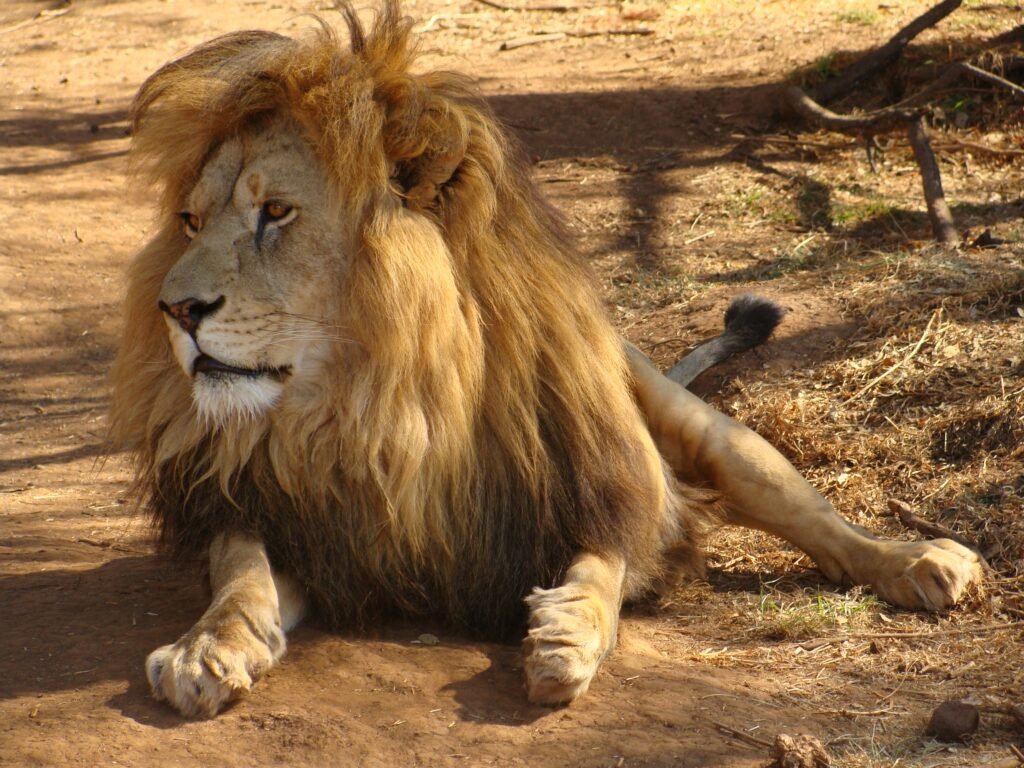
Lions and Tigers killed at Longleat.

It is not the first time that Longleat has come under scrutiny as in 2014 The Mail on Sunday newspaper alleged that they had a lion breeding programme to ensure there are always cubs on show and that they had killed adults and cubs in the past. In February 2019 a female tiger named Amur was killed in a fight with two other tigers and two other female tigers died an early death, one from cancer and the other from a heart attack brought on by a routine medical operation. These were part of another breeding programme which produced two cubs in 2019, but obviously not doing much to increase the endangered tiger population with all the deaths.

Zoo conservation programmes are often not what they seem and the animals often suffer the consequences of the research. Zoos like to hide behind their conservation and educational credentials rather than admit that they are predominately part of the entertainment industry and for this reason it is not surprising that some people may approach such projects cynically and view them unethical. I hope that everyone who visits such attractions should not be fooled by all the conservation hype and appreciate what animals have gone through to provide a day’s entertainment.