We need a UK Cat Act

U.K cats need more legal protection.

Time and again whenever laws are introduced to control or protect animals in the U.K. cats always miss out with preference always given to the control and welfare of dogs. Even the basic requirement for cats to be microchipped is not legislated for and recently the Governments reluctance to give any status or protection to them was borne out by their response to the Gizmo legacy petition.

Following the death of her microchipped cat Gizmo in a road accident, whose body was subsequently disposed of by a veterinary surgeon without scanning, the owner began a petition to make it a legal requirement for dead cats to be scanned. The government’s response was that scanning legislation is unnecessary “as local authorities, veterinary practices and rehoming centres  are encouraged to do it anyway and they have scanners because the law requires dogs to be microchipped and scanned”.

They also reiterated that “whilst microchipping cats is good for their welfare, and it is important to publicise those benefits, lost and stray cats do not pose the same public safety risk as dogs, and therefore making cat microchipping compulsory is not considered necessary at this time“.

We do not take a cats’ welfare seriously.

The only protection UK cats have is under antiquated property laws. There is no mandatory need to neuter or vaccinate them, no restriction on how many you can have in your possession, no licensing or registration and no controls over breeding and this is where the problem lies. This lack of control has led to an ongoing “cat crisis” in the UK which has lasted for decades involving thousands of lost, abandoned and unwanted cats. Charities spend huge amounts each year trying to repatriate them and combat indiscriminate breeding and feckless ownership.

The lack of any status gives cats the unique status of the right to roam. They do not have to be securely confined and can roam without any fear of legal repercussions for their actions as they cannot trespass. The drawback of this is that many people view cats as pests and in some cases they will take the law into their own hands and commit retaliatory acts of cruelty on them or even shoot, poison or otherwise kill them.

Complaints to local authorities of cats using their gardens as a toilet, digging up flower beds or causing distress by catching birds are usually ignored by local authorities as they have no powers to intervene or take action unless the problem is extreme. Some have gone as far as suggesting local authorities should act under the Human Rights Act, 1998 to solve problems of nuisance cats as under Article 8 a person has the right to enjoy their property and home without interference, but this also ensures a cat owner’s right to enjoy their property i.e. their cat. A cat owner has a duty of care to take reasonable steps to stop their cat from causing damage or nuisance and in extreme cases an owner is issued a anti-social behaviour order (ASBO).
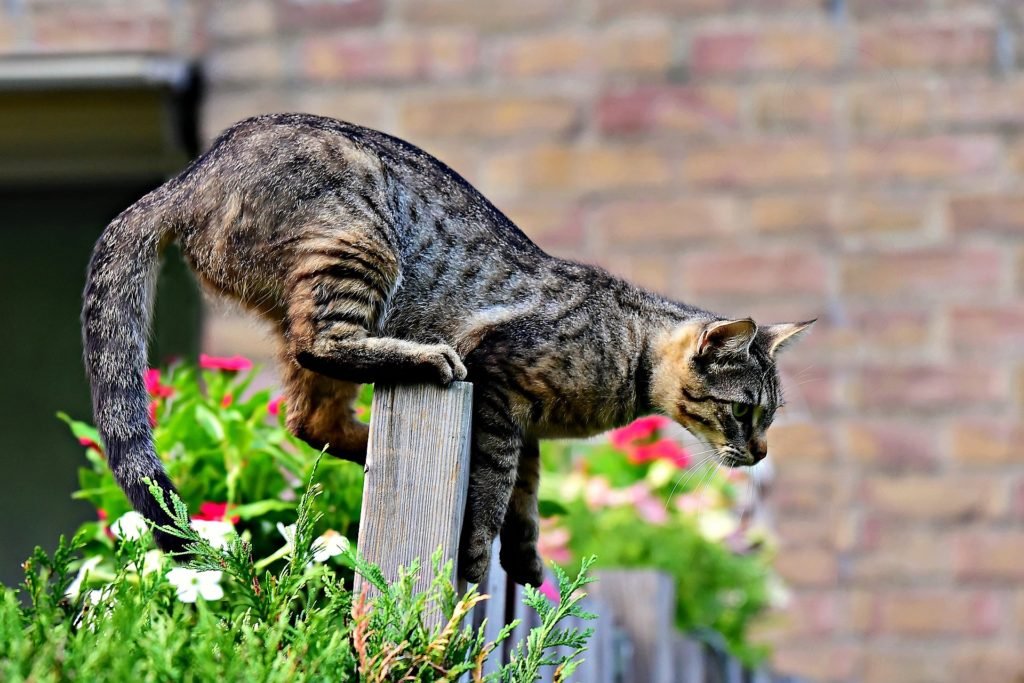
Cats, cat haters, cat nuisance,
Neighbours often do not like cats invading their gardens.

There are similar problems the world over particularly in the USA, Australia and New Zealand, but in some parts of Australia they have taken action and passed a “Cat Act”  some of which is draconian but we could learn from it.

We could take a lead from Australia.

The State Government of Western Australia introduced a Cat Act November 2013 for the control and management of cats and to promote and encourage responsible cat ownership. It was designed to cut the number of unwanted cats being bred, allow stray or lost cats found in a public place or on private property to be seized and help reunite lost cats with owners.

Cats must be already neutered and microchipped when registered before 6 months of age with the local authority. Vets must inform the micro-chipping company when they neuter a cat and give the owner a certificate. If you wish to sell or transfer ownership of a cat an owner is legally liable for updating the microchip details and can be fined for not doing so.

There is similar regulation in the State of Victoria but not as strict. It also requires legal micro-chipping at the earlier age of 3 months and the wearing of a registration tag provided by the local authority. If  the cat wanders off your property it can be seized as there is no “right to roam” and a fine must be paid when claimed. Local authorities within Victoria have the power to stipulate cats being confined during certain hours, prohibit ownership in certain areas, restrict the number per household and require neutering.

I am not suggesting for one minute to take away their “freedom to roam”, but an all-encompassing law to help solve cat ownership and welfare issues would benefit the health and welfare of UK cats in the long run.
The need to inspect and licence small animal charities.

Alarmingly and amazingly, anyone, regardless of experience or ability, can set up an animal rescue enterprise in the UK.

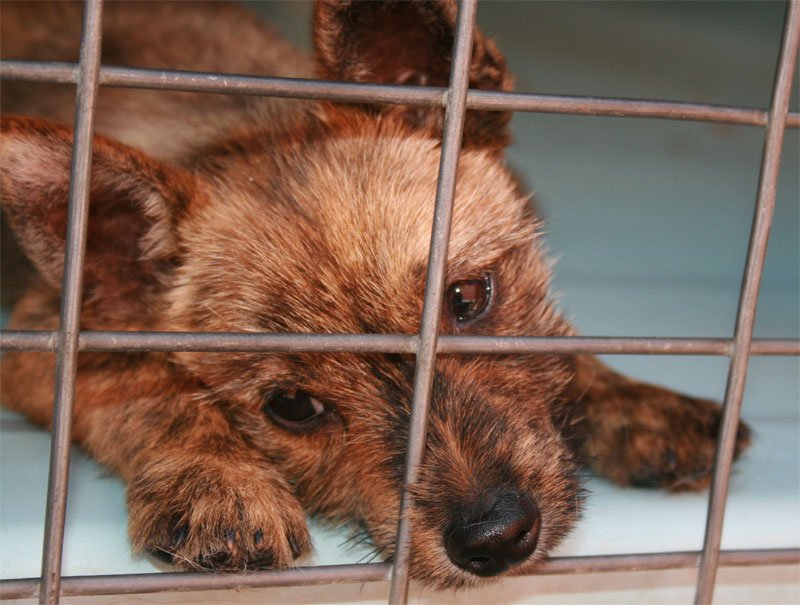
Puppy, behind wire, mournful
Indiscriminate breeding of animals needs to stop.

Over the last couple of decades there has been a proliferation of smaller charities and private organisations operating rescue re-homing centres and sanctuaries all working to their own agendas, often founded by well-meaning people, disappointed by the perceived ineffectiveness of the long-established larger national charities which they accuse of squandering money on staffing and administration costs.

The problems with small animal re-homing charities and sanctuaries

Most have an ethos of accepting any animal offered to them to ‘save’ as many as possible regardless of whether they have the proper facilities, staffing or finance to look after them adequately.

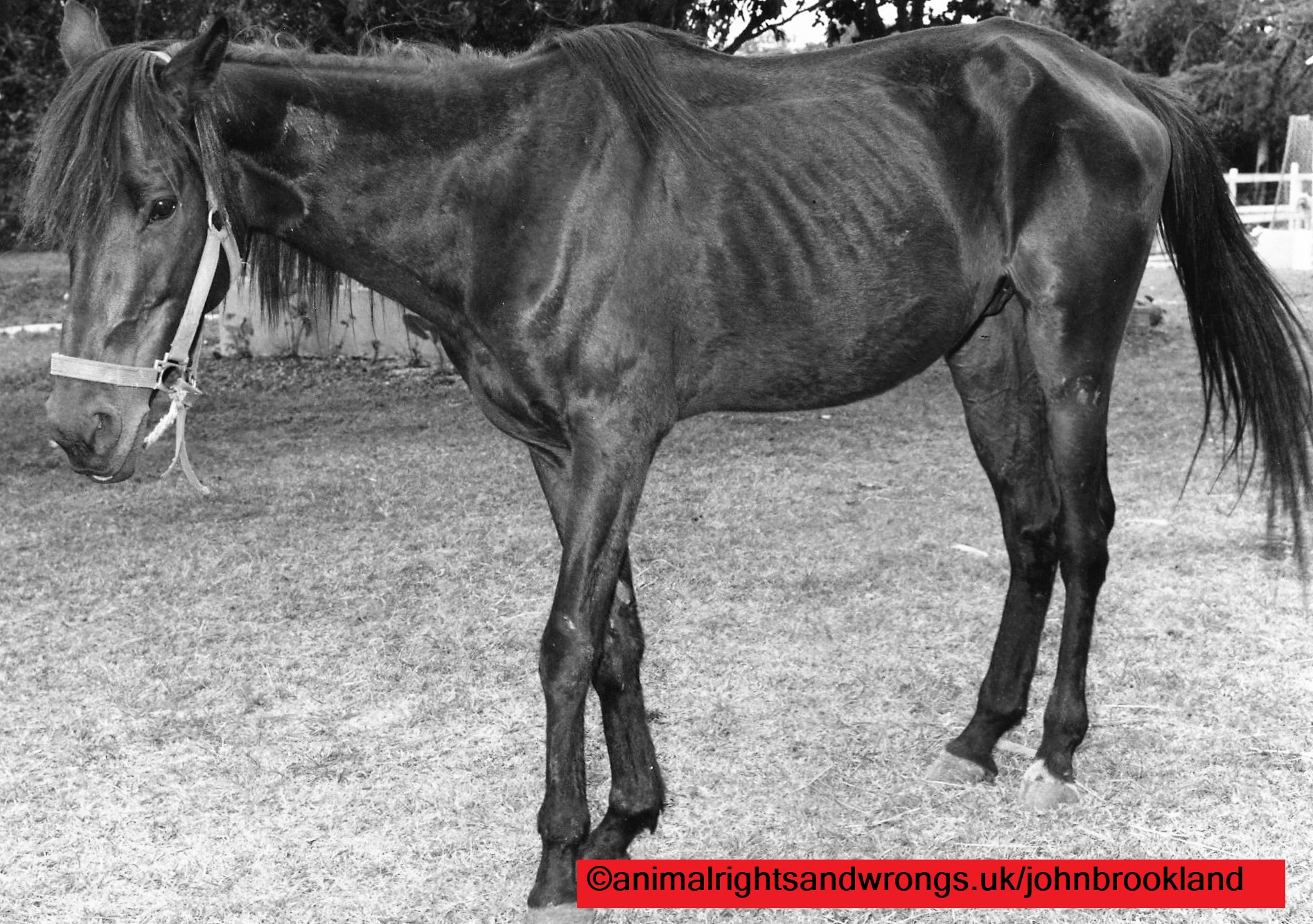
Many of these charities often go under through lack of volunteers or finance and the owners fail to seek help soon enough causing horrendous suffering, starvation and death by their “saviours”. It is a common problem the world over. Recent examples include a rescue on the island of Malaga where a hundred starving dogs were found and a horse rescue in Queensland, Australia was raided by Police who found dozens of starving horses.

Horse, thin, animal cruelty, horse cruelty
It’s not just dogs and cats that can suffer in failed rescue centres, but horses and other animals as well.

In the UK, alarmingly and amazingly, anyone, regardless of experience or ability, can set up such an enterprise. They are totally unregulated with no controls, inspections or licensing involved and this can and does result in animals that are supposedly being saved from substandard care and euthanasia being kept in similar or worse conditions. 

These rescues often become overrun with animals.

They are often one-man-bands operating on a shoe-string from the backyards or premises of the founders with few volunteers and back-up. Some begin through a form of hoarding whereby a person starts by rescuing a few dogs or cats and then decides it would be fun to turn it into a rescue or sanctuary not realising the implications, cost and responsibilities involved.

These centres are often in a position of becoming overrun with breeds that are the craze of the moment and of having to find homes for them as quickly as possible. This can lead to less stringent rules and policies on the suitability of new owners and animals can sometimes be given to owners that are questionable.

When we give money and support these smaller independently run animal charities we do not seem to investigate how well operated the charity is, what its aims are, its achievements and its expertise. Unless we are a volunteer or live locally to the charity we do not even make a visit. We are normally satisfied by the cute pictures they publish and the literature they produce. If they say they are saving animals, we are happy.

Many who trumpet that all their donated money goes to the animals often struggle to survive as they have no reserves to weather periods when donations dry up and find themselves unable to provide adequately for those in their care. This is particularly so with sanctuaries which keep them for life without attempting to find them new owners. The numbers build up to a point where the premises become overloaded and out of control with the helpers unable to give suitable housing and adequate care.

The Charity Commission has no remit to concern itself with welfare.

It often reaches a state where visitors or volunteers find themselves forced to report them to the authorities, which if they are a registered charity, is the Charity Commission. Unfortunately, the Commission are neither interested or have the powers to intervene when it involves welfare issues, only in monetary and trustee contraventions. Although local authorities and the police can intervene on welfare matters, the Commission is quick to pass the buck to the RSPCA.

This is highlighted by a recent case in 2017 involving the Capricorn Animal rescue where the Commission investigation report states:

“The [Charity] Commission is aware that the charity has been the subject of concerns from members of the public relating to the welfare of animals in the charity’s care; this does not fall within the Commission’s remit and concerns on this matter should be directed to the RSPCA.”

Placing the burden on yet another charity to investigate a similar charity is not an acceptable course of action particularly when the RSPCA is constantly accused of misuse of power and involving itself in legal matters which are perceived beyond their remit.

When other charities fail it is difficult to find other facilities for the animals. This burden normally falls on the major charities who are the only ones who have the means and logistics to step in, but this obviously places a burden onto them.

The new “Lucy” Law could encourage illicit animal rescues.

The new “Lucy law” which will ban the breeding and sale of puppies and kittens except from licensed breeders and animal charities could still leave an opening for unscrupulous traders.   The clamp down may cause a ‘shortage’ of available puppies and kittens which could increase the number of imported animals from foreign lands and encourage the setting up of pseudo rescue organisations.This has happened in the USA with imported rescue dogs.

With so many animal re-homing charities springing up, the control, regulation and inspection of these premises is an issue which urgently requires Government action before it gets totally out of control. Benefactors should also take a long hard look before donating and always be extremely careful to satisfy themselves of the soundness of the organisation.