Beware the word “conservation” when supporting charities.
When it comes to supporting or donating money to animal charities we all have our own perspective on what we want our money spent on whether it is conservation of wildlife, welfare of animals, re-homing of animals, animal rights, help for animals abroad or saving endangered species – the list is endless. But if you want your money and support to benefit all animals without causing harm to others it can be a problem because many charities do cause harm or kill animals in the name of conservation.
The aims and principles of animal conservation charities are often at odds with those supporters of animal welfare and animal rights and animal lovers in general. Not all conservationists believe in the right of animals or groups of animals to survive if in their opinion they are getting in the way of preserving other “more important” species and habitat.
What is conservation?
The meaning of ‘conservation’ varies in interpretation dependent on the context it is used in and can concern preserving buildings, cultural sites, resources and artefacts, but we mostly associate it with preserving wildlife and habitat. For this reason many charities regardless of their true intent try to put the word conservation somewhere into their title or literature, because most of us associate it with general good ideals.
We are often drawn to those which use the word conservation as it is like a badge of guarantee that the money is used for the best interest of animals or habitat in line with our wishes. But we should make sure that they do not have ulterior motives for their “conservation” activities which could be based on preservation for selfish reasons such as commerce and sport, particularly for hunting and other so-called country pursuits.
Thousands killed at a cost of £800 per duck
The creed often followed by conservation organisations is that there is a hierarchy whereby certain animals are more important than others and if necessary they can be eradicated for the common good or conservation of others. It is a fraught area which most of us seem to take little interest in. The Royal Society for Protection of Birds (RSPB), a well-known and loved UK charity, has often been criticised for having this attitude.
Many of us mistakenly believe they are there to protect all birds, but this is not the reality and never has been. In 2014 they decided to support the culling of all the Ruddy ducks in the UK, despite their alleged ethos discouraging the ‘wanton destruction of birds’ which caused outrage. Ruddy ducks were viewed as an invasive or alien species interfering with native ducks by mating with them. Thousands were killed at a cost of £5 million or £800 per duck by marksmen of the Animal Health and Veterinary Laboratory Agency (AHVLA). Graham Madge of the RSPB commented:
“It was a hugely difficult debate for the RSPB and a very dark day when we had to concede a cull was the only way forward. It’s not being ruthless, its being careful. It is not a cause for celebration. It is a relief. We stand up for biodiversity internationally and sometimes you have to make very hard decisions.”
RSPB appear to support pheasant shoots.
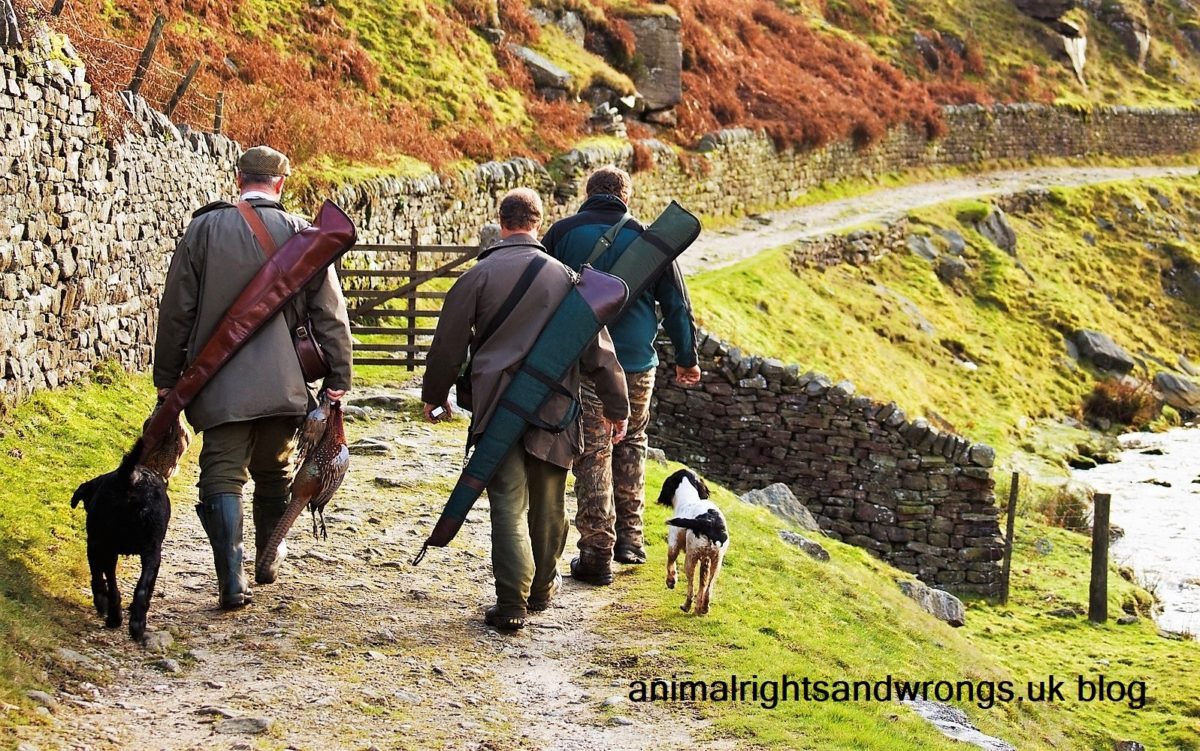
The RSPB were again in trouble when they appeared to support pheasant and partridge shoots as being beneficial to wildlife, even though 60% (21 million birds) die before they have a chance to be shot. Martin Harper their conservation director stated on their website that shoots offer ‘beneficial habitat management for wildlife’ increasing the number of some species.
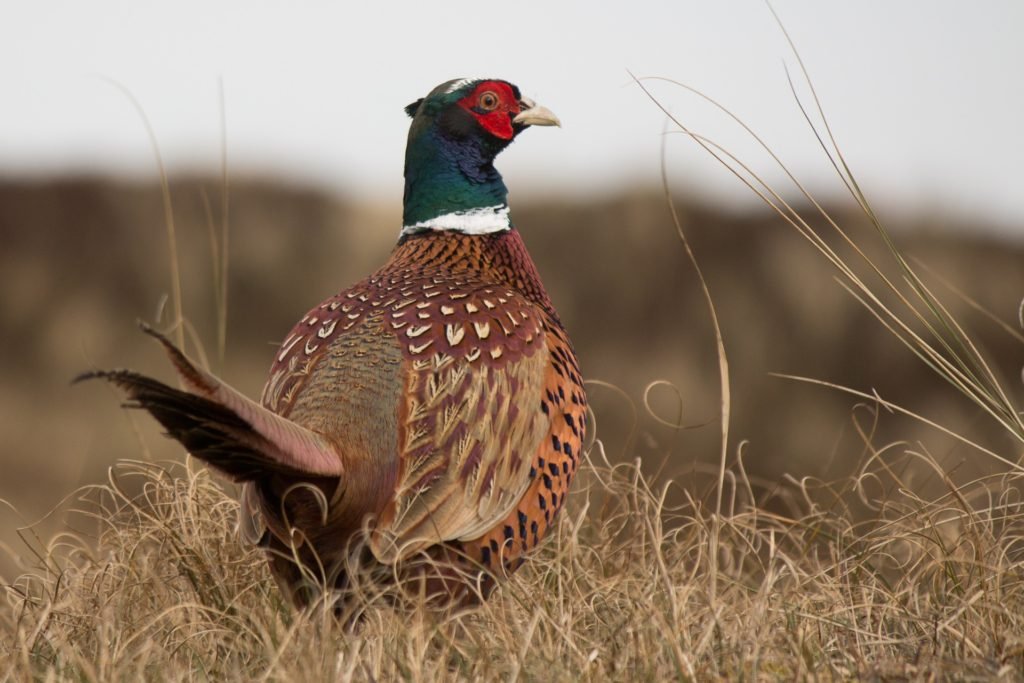
Each year 40 million hapless and inexperienced pheasants are released of which, according to the industry’s own figures, only 37.5% are shot while 46.5% die before the shooting season by predators, in road collisions or illness leaving only 16% to survive the shooting season and an unknown fate.
Recently there was consternation at the Society using Larsen traps to catch magpies and cull them which involved placing a live bird in a cage in all weathers and unattended as a lure. The well-being of the caged bird was questioned, particularly the stress caused in trying to escape.
There was a crazy situation when some online forums had posts from people who believed the traps were illegal and were advised to contact the RSPB to investigate their use! Strangely none of this though stops us from donating £140 million to them every year.
The word “conservation” can be misinterpreted.
The Game and Wildlife Conservation Trust (GWCT) could be viewed as an example of using the word conservation to muddy the waters as they describe themselves as a leading UK charity conducting “conservation science to enhance the British countryside for public benefit by promoting game and wildlife management as an essential part of nature conservation“.
Although this might sound a sensible aim, it involves certain actions which animal lovers might flinch at, as their real intention is to guarantee a supply of game animals for hunting and shooting by removing nuisance predators which get in the way. Their definition of a nuisance predator appears to be any wild animal or bird that cannot be profitably hunted or shot or which eats animals that could be profitably hunted. They believe that game and wildlife management is the basis of good conservation and that humane and targeted predator control is an essential part of effective wildlife conservation.
On this same subject there is a government-funded organisation called Natural England which handles the Governments’ efforts of wildlife and habitat conservation in England but according to some campaigners they also issue licences to kill some 70,000 wild animals and birds. 65 species are involved including such species as barn owls and swallows. We are all involved in this as it is our tax money funding this organisation. Read more.
Zoos and game ranches like to append themselves to the conservation fraternity. Game ranches in Africa and elsewhere breed animals on the pretext of preserving habitat, but make money by charging for big game hunting. Zoos for all their trumpeting of breeding endangered species and being ‘arks of the future’, seem to fail dismally in this activity. Most animals contained in zoos, estimated at 90%, are not endangered at all and successful re-introductions to the wild are as rare as the animals, but they do manage to kill a lot of animals along the way which some estimate at 3-5000 per year.
Unfortunately it would seem that we are incapable of preserving animals without the collateral damage of causing the deaths of thousands of others. Whether it is worth all the carnage depends on everyone’s subjective point of view, but for those who do not wish to see their money spent in this way it is advisable to check the true aims and policies of those charities they give to. Perhaps the best conservation charities to support are those that are welfare orientated and save animals for the animals’ sake not ours.