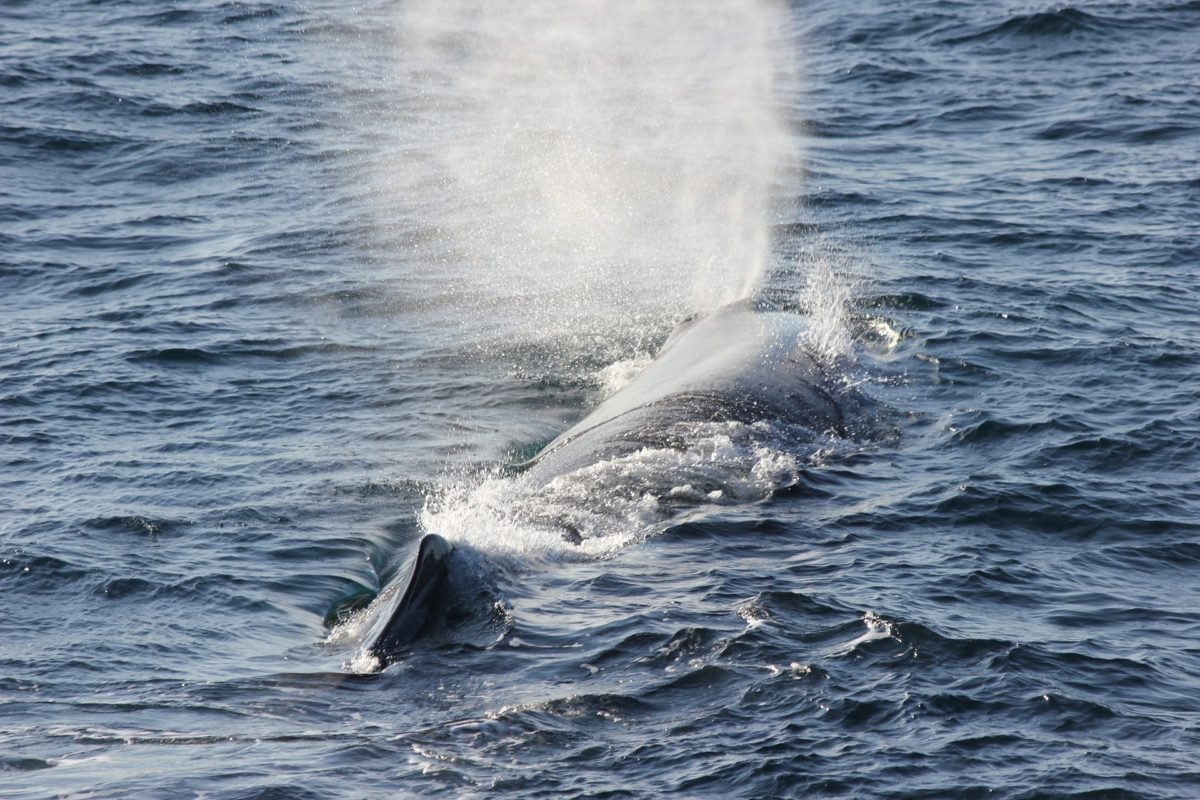
Japanese Whaling Fleet Returns in Triumph With 223 Whales

The Japanese whaling fleet triumphantly returned this month (June 2020) from its first three month commercial hunt, with almost a full quota of 223 whales caught, amounting to 1,430 tons of frozen meat which costs $140 per kilo to buy. Bolstered by the success the Japanese government wants to spend $48 million to support more hunts even though the eating of whale meat is not as popular.

The ban on commercial whaling is just a gentleman’s agreement.

Japan announced its decision to begin whaling again after 31 years on the 1st. July, 2019 causing  worldwide outrage, because most people were under the misapprehension that whaling had been made illegal. But tragically the so called moratorium was only ever a gentleman’s agreement and a trade bargain which any country could withdraw from at any time if they followed the withdrawal procedure under the Convention.

Why did Japan do it? Well they never really stopped and used the loophole that all countries have of catching whales under the umbrella of “scientific purposes”. Japan also allegedly caught more than its allowed quota of Minke whales for years and tried to persuade member countries to help overturn the moratorium by supporting a vote on their proposal of “small type commercial whaling” (STCW) using small whaling ships in territorial waters. When this didn’t happen they decided to go their own way and hunt in their own waters.

Whaling, illegal whaling, IWC,Commercial whaling ban,whaling moratorium

Any member country of the Convention can just opt out

In 1946 the  Convention for the Regulation of Whaling was signed by the major whaling nations when it was realised that whales were in imminent danger of becoming extinct, but it was done to“provide for the proper conservation of whale stocks and thus make possible the orderly development of the whaling industry in the future not for the benefit of the whales.

The International Whaling Commission (IWC) was set up under the  Convention and the members meet every two years to decide which species can be hunted, how many and by who and various other policy issues. Any country can join regardless of whether they want to hunt whales or not and each member has voting rights.

The right to withdraw

Article XI of the Convention allows any member Government to withdraw from the agreement on the 30th. June of any year by giving notice before the 1st. January of the same year. Although not morally responsible it is legal. There was a worry that other countries would follow Japan’s lead and pull out, but thankfully this does not appear to be happening at the moment.

Many countries claim an exemption and receive a quota for their “aboriginal” inhabitants to hunt small numbers of small whales for their own needs, but many of these now want to increase their hunting to sell the by-products. Countries which presently hunt whales in one form or another are Japan, Norway, Iceland, Denmark, Russia, USA, St. Vincent and Grenadines, South Korea and Greenland.

Unfortunately it would be foolish to believe that the future of the planet’s whales is totally safeguarded.
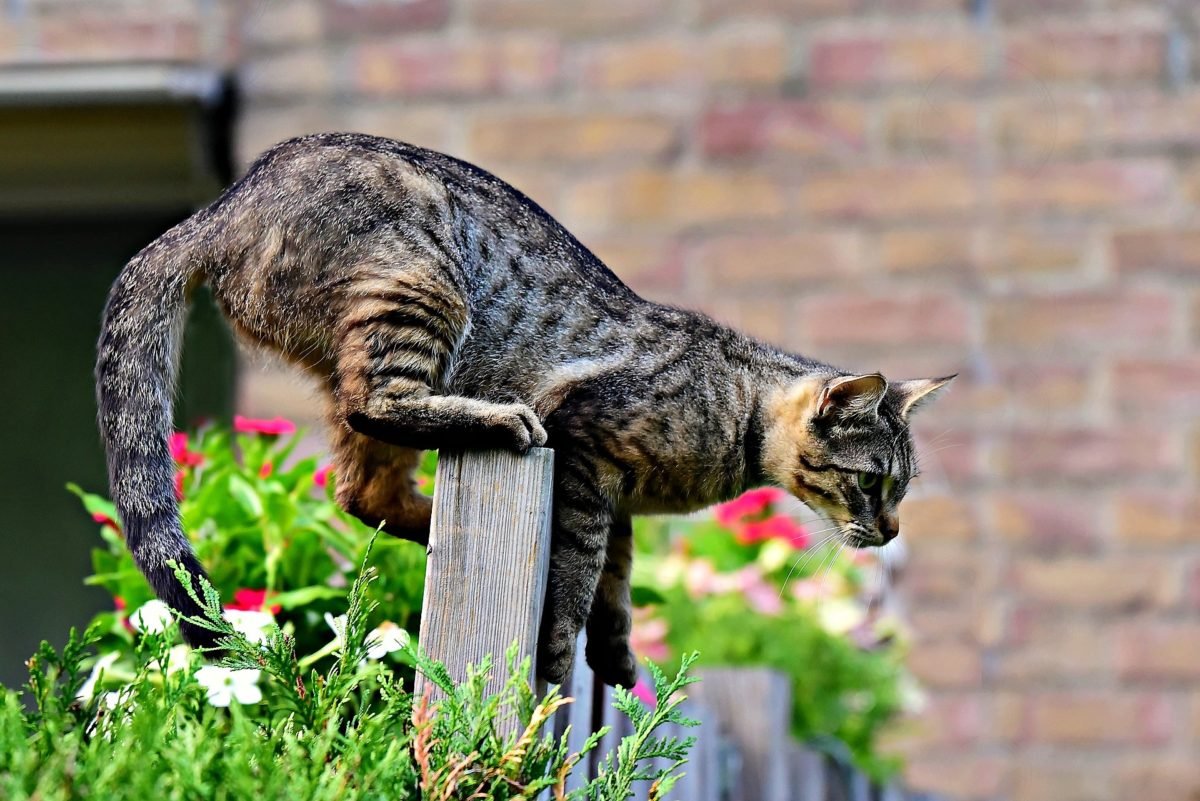
The right to roam, cats cannot trespass

Cats are footloose and free

Unlike most other captive animals, the domestic cat has the wonderful status under the laws of most countries of the right to roam. In the U.K. they do not have to be securely confined and can roam without any fear or favour or legal repercussions for their actions. They cannot trespass so neither the cats or their owners are liable for anything they may do in the way of damage, soiling or causing nuisance which is extremely annoying for those who hate them.

This has come about because like most captive animals,  a cat’s legal status is that of property and to kill or harm them is classified as criminal damage under Criminal Damages Act 1971 or theft under the Theft Act 1968. Their “freedom” is guaranteed under the Animals Act 1971 which makes provision with respect to civil liability for damage done by animals. Cats were assessed as being less likely than other animals to cause damage or injury and so were not included in the Act. Technically we do not even “own” them. 

So they are footloose and free in many ways and unlike many other countries there is no mandatory need to neuter or vaccinate them, no restriction on how many you can have in your possession, no licensing or registration and no controls over breeding and this is where the problem lies.

This freedom occurs in many parts of the world including the USA which has a mishmash of Federal, State and local laws very few of which restrict cats to an “owners” property or indoors. The U.S State of Maine, like the U.K. doesn’t include cats in their animal trespass law. In Australia cats are branded invasive species and therefore are highly restricted with night curfews in some States and cat ownership bans in local areas. Most countries in the context of law almost treat them as invisible always focusing on dogs.

This situation in many instances can lead to people taking the law into their own hands and committing retaliatory acts of cruelty on them or even to shoot, poison or otherwise kill them. Some people have even been known to go to the lengths of catching their neighbour’s nuisance cat and abandoning it a long distance away.

Their freedom comes with drawbacks

Although this status is wonderful for the cats it comes with many drawbacks. The lack of control has led to an ongoing “cat crisis” in the UK which has lasted for decades involving thousands of lost, abandoned, and unwanted cats. Charities spend huge amounts each year trying to repatriate them and combat indiscriminate breeding and feckless ownership.  

Their perceived reputation as a nuisance because of their destructive behaviours, toiletry habits and natural instincts of catching small animals and birds causes many people to view them as pests and they hate them. Cats face similar problems all over the world, particularly in the USA, Australia and New Zealand.

Cats Matter Too

Without some form of legal intervention it will always be impossible to make any inroads into the excess U.K. cat population, enhance their reputation or to improve their well-being , and more importantly to protect them, their ‘owners’ and cat haters from each other. But I am not suggesting for one minute that their “freedom to roam” should be stopped or restricted as this is the essence of a cat.