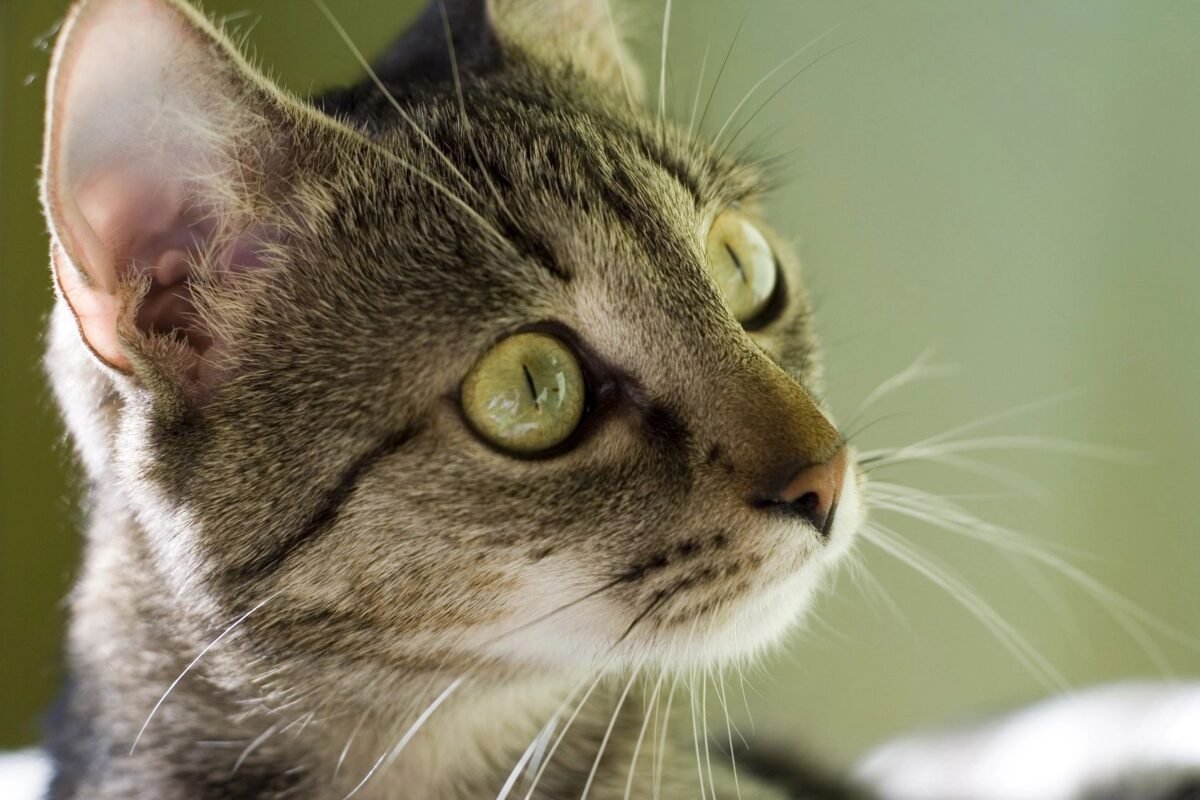
A case for equal rights for cats.

Cats are just about on a par with dogs in the popularity stakes as a companion pet with dogs just edging it so in theory we should be treating their interests and rights equally. But unfortunately it appears that cats do not have the same PR status as dogs with cats tending to be ignored in favour of dogs and in many instances virtually discriminated against.

Cats cannot do anything right.

As a society we do not take their welfare and interests as seriously as dogs. There is a definite bias in the law with most regulating and protecting dogs while cats are mostly disregarded and left legally owner-less. Recently the UK introduced a new law controlling puppy farming but not kitten farming, although it did bring in new rules protecting the sale of kittens. There is no mandatory microchipping as there is with dogs and you must report a dog injured in a road traffic collision but not a cat. We have had a cat crisis in the UK for years with thousands of stray and feral cats roaming the country, but no government initiative to solve the problem unlike dogs where we introduced dog wardens.
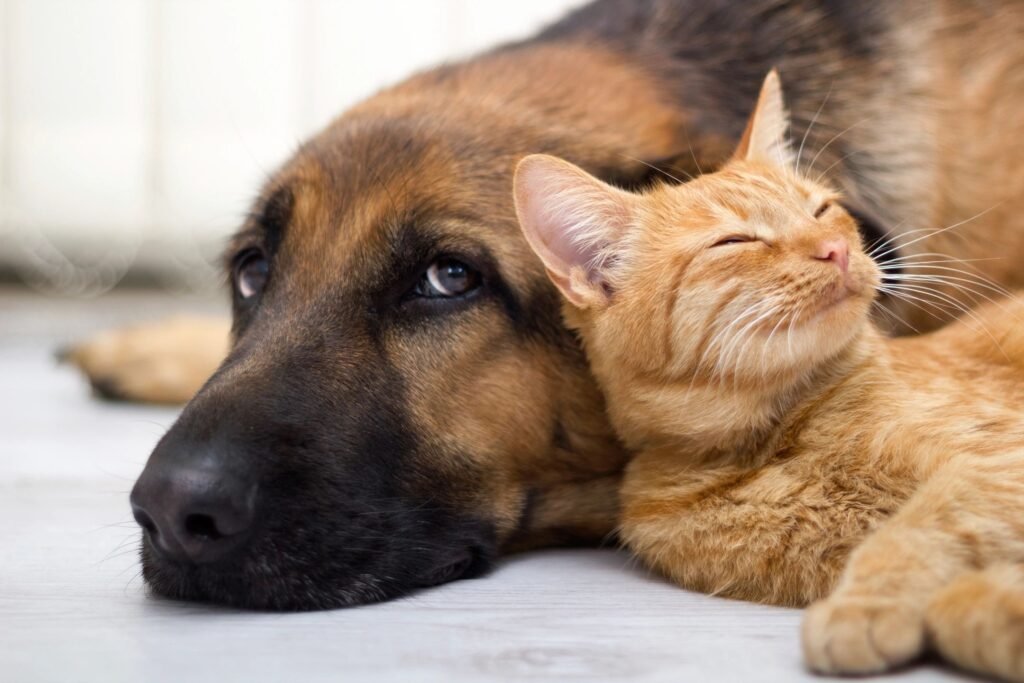
Dog and cat
Cats and dogs give us equal affection and loyalty so why do we treat them differently.

There is only one national cat animal charity in the UK compared with several that concentrate on dogs and it only receives half the donations of just one of those helping dogs. “I hate cats” is a more often heard phrase than I hate dogs“. The internet is awash with implements and gizmos including electronic and ultrasonic scarers, motion water sprinklers and prickle strips to drench, electrocute and generally maim them and even pellets impregnated with the essence of lion dung is sold to ward them off.

We basically allow dogs to poo where they want and we mostly turn a blind eye to all the abandoned plastic bags whereas cats are still vilified for messing in a flower bed even though they have the decency to cover up their toiletry antics unlike dogs. We allow dogs to roam open spaces, chase wildlife and livestock and often cause a nuisance but cats are maligned for roaming free and following their predatory instincts of stalking birds and small animals. We commit more cruelty on cats for these reasons and in some parts of the world attempt to ban their keeping or legally confine indoors.

Television documentaries nearly all focus on dogs with cats rarely getting a look in, so we have the Dog Rescuers and For the Love of Dogs with Paul O’Grady to name just two. Then we have the annual coverage of Crufts Dog Show but to my knowledge never a cat show. Battersea Dogs Home is also a cats home, but this part of the title is rarely referred to. There are so many examples of how we denigrate cats in preference to dogs.

Cats win over dogs on social media.

The one place that cats win over dogs appears to be internet social media sites and unfortunately for the wrong reasons. People love to make videos of cats being silly or cute or being forced to do unnatural acts so that we can have a good laugh at them. Most of them are not funny at all and cats could do without them. There are dozens of ‘famous cats’ getting millions of hits like Grumpy cat or keyboard cat videos of a ginger cat in a dress playing a toy piano or a cat in a shark costume on a roomba chasing a duckling. There is sadly no end to them.

In the real world there is no way of ignoring the fact that cats rank second to dogs in our modern society and are far more maligned than the dog. This has come about as many people do not like the fact that they are so independent of us and difficult to dominate. They have a take it or leave it attitude towards us. We view them as less of a companion pet as we cannot share as many of our interests with them such as hiking, a car drive or a trip down the shops and because of this we do not care as much about them. It is also why we are less concerned about so many millions being culled and killed around the world each year when a single healthy dog being euthanised causes such outrage.
Recent posts

Worrying rise of taking selfies with animals.

Taking selfies and posing with animals is harmful to all concerned.

The selfie culture is extremely good news for the tourist industry in general as it has become a compulsion to instantly share every second of our lives whatever we might be doing. But it is proving extremely bad news for animals with the rise of animal selfies. It has become a worldwide obsession particularly amongst the young who cannot wait to impress their friends on social media of themselves riding, holding, hunting or just lazing beside wild animals. It is not a new phenomenon as it has been happening since the camera was first invented but with the advent of instant shareable photos on mobile phones animal selfies have increased dramatically.

According to World Animal Protection there has been nearly a 300% increase since 2014 of animal selfies posted on Instagram.

Narcissistic need to share every second of our lives.

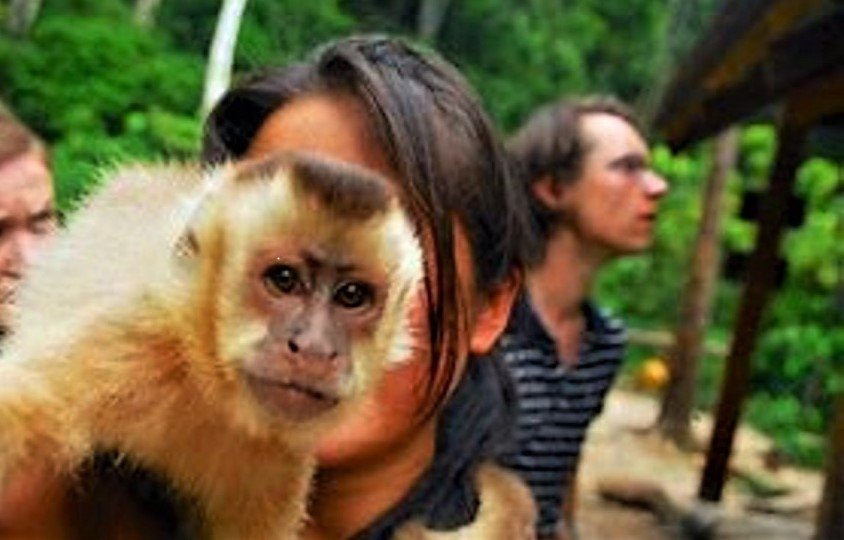
Whether it be a tiger, elephant, koala bear, snake, monkey or a cute baby animal of any sort, everyone wants a photo with one and they often go out of their way to obtain one regardless of any stress or suffering caused to the animals. In Japan you can take a selfie with an exotic animal while sitting in a cafe having a coffee. We have a generation that has little or no respect for animals in general and just view them as cuddly toys and not living creatures. Ironically most people who participate in taking these selfies do it to show their love for animals.

The travel industry in many countries encourages this behaviour by providing trips to establishments which cater for this need so we have tiger attractions where the tigers are usually drugged, lion and cheetah meeting, elephant riding, holding baby monkeys or koala bears and swimming with captive dolphins. These and many others are all part of the animal selfie craze.

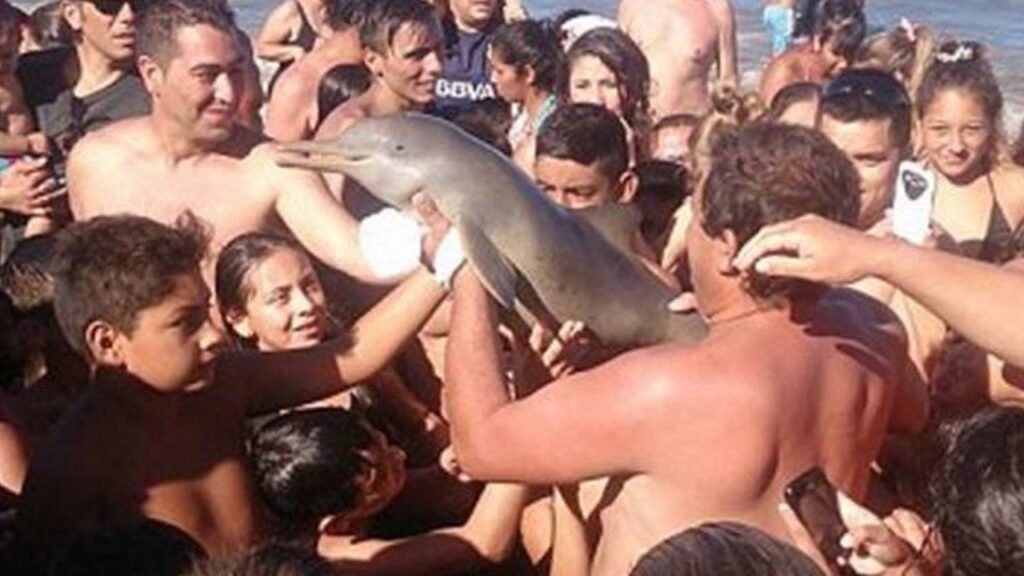
Tourits on a beach manhandling a dolphin
Tourists manhandling a dolphin. We have no respect for animals anymore or understanding of conservation.

Few ask the question of where the animals they are photographing come from and how they are obtained. And even more relevant, what happens  when they are no longer cute or become unmanageable. The answer is of course that they are discarded, killed, eaten or languish for the rest of their lives in a cage.

The use of wild animals in this way is another factor in all the exploitation and abuse of wildlife and is both an animal welfare concern and a conservation one as many of the animals used are vulnerable or endangered. A study in Latin America showed that 20% of animals used in the tourist trade were endangered and 60% protected by international law.

We ignore our health and safety just for a photo that is soon forgotten.

Those that participate in the hunt for more and more unusual and exotic animals to be photographed with often fail to realise the danger they are often putting themselves in. This is particularly so when encountering animals in the wild rather than captive ones in an attraction. Common sense and responsibility for their our own health and safety tends to be ignored and can lead to tragedy.

A couple walked up to a bison in Yellowstone Park, and tried to take a selfie only to be trampled and in 2015, an American woman in a South African lion park ignored warnings to close the car window while taking photographs, allowing a male lion to get within a yard of her before jumping and mauling her to death. A well known welsh rugby player suffered horrific injuries to his hand while trying to stroke a lion. Our increasing detachment from nature and our insistence of seeking thrills and entering wild places is making this kind of incident more common. It often results in the death of one or both participants and highlights our complete ignorance of the capabilities of wild animals and how we should act near them.

Instagram now issuing a warning.

Following a petition sent to Instagram they have produced a ‘wildlife warning’ page which monitors hashtags that mention the words animal selfie. A page pops up which warns users of the suffering caused to the animals.

It is of course difficult for anyone to resist the once in a lifetime chance for a selfie with an animal, but it is not worth the risk to the animal or yourself to do so in most cases. Selfies should only be taken from a safe distance, when the animal is in its natural habitat, able to move freely and when you are sure it is not under duress and not held captive.

Sign up to the World Protection selfie code.

Related articles: