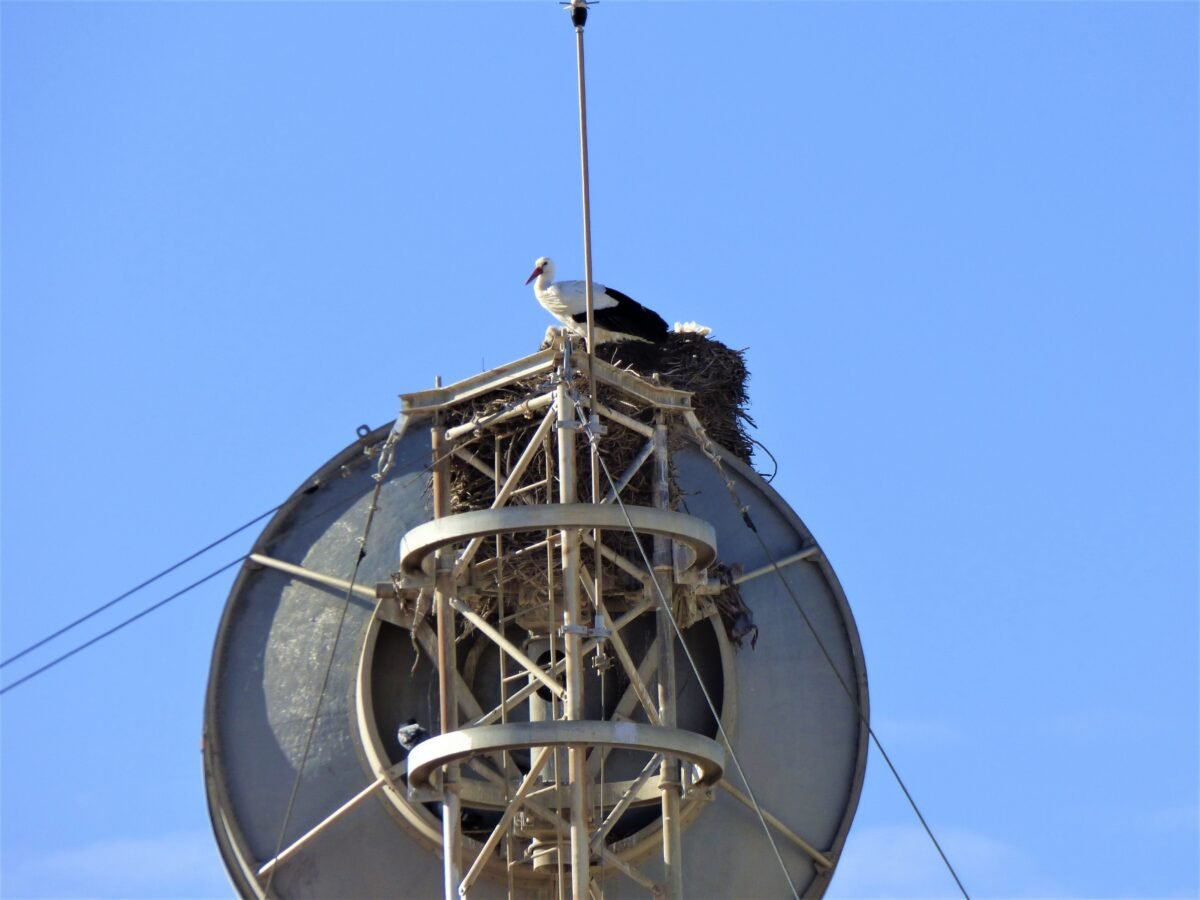
Living in Harmony with Wildlife – Algarve Storks

The Portuguese Revere their Storks

We can learn a lot about living in harmony with wildlife from the residents of the Algarve in Portugal. They seem to absolutely revere the Stork and it is both a wonderful spectacle and a pleasure to see how the Portuguese seem to embrace the thousands of storks arriving from their migration. Each year they take up residence in their personal nests just like the hordes of human tourists. They make their huge nests in the villages, towns and cities wherever they please and return each year to the same one. They are oblivious to the noise of traffic and human activity and the residents reciprocate by appearing unmindful of them.
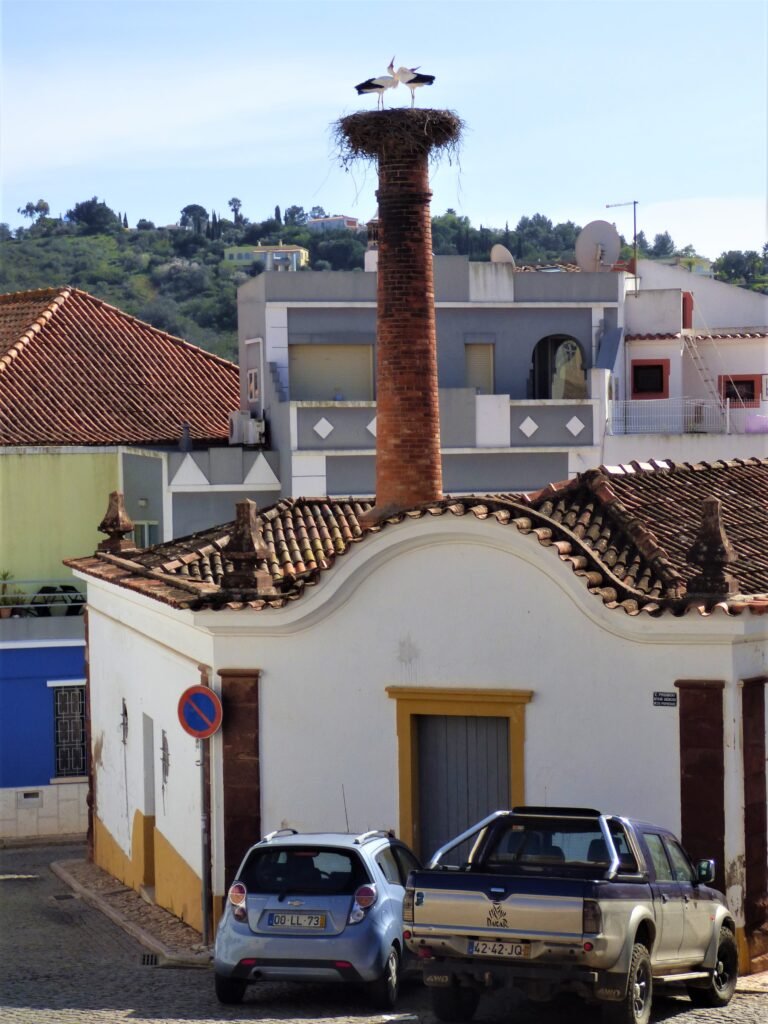
Algarve Storks

They are totally protected in Portugal and it is illegal to kill them, disturb them or destroy their nests, and as they always return to the same nest each year they have a right of tenure for as long as they wish so this is why you will see many abandoned brick chimneys, pylons, tree trunks and buildings with nests perched on top.

They are not fussed about residing in the centre of towns and will choose mobile masts, church clocktowers, apartment blocks, residential houses and factories to set up home. From their vantage points they will peer down at you while tourists peer up at them and take photographs and locals just pass on by as they are part of daily life there.

Storks have no vocal chords and are therefore mute, but you will not have difficulty in locating them as instead of uttering bird song they produce a sound like someone tapping hollow pieces of wood together by throwing their heads back and clicking their huge beaks.
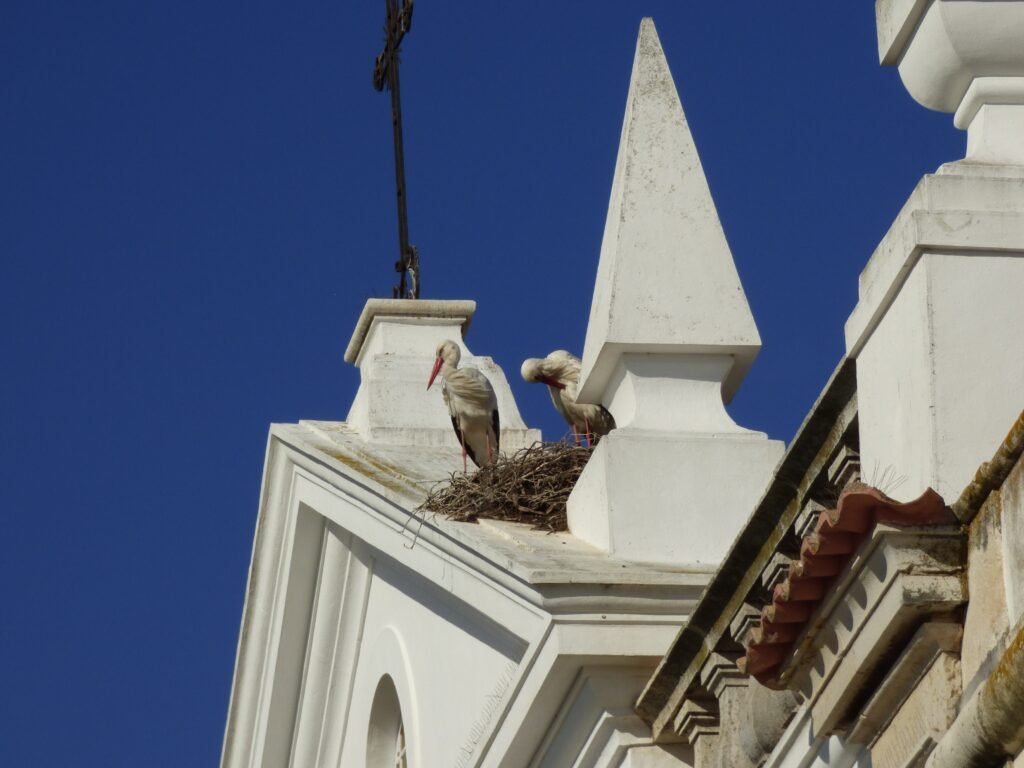
Algarve Storks

What a pleasure though to see animals being treated with so much respect in this way, a far cry from the UK where any animal or bird, protected or not, is killed legally under licence in the name of progress.

Although Portugal is a relatively safe haven for them, and they are supposedly protected worldwide, hundreds if not thousands never make it back each year because they are flagrantly shot and killed in countries like Malta and the Lebanon as they migrate across the Sahara through the near east to southern Europe. They do not fly over the Mediterranean sea because there are no suitable air currents so they divert and funnel into flocks of thousands over countries to the east and Gibraltar in the west. They were once shot purely for subsistence food, but now it is a highly organised and  popular sport and causes the demise of so many of these beautiful and endearing birds.

The Algarve town of Silves is a kind of spa hill resort for them and storks almost outnumber the human residents. On a recent visit I could not help myself from stopping at almost every street corner to stare up and watch them. Even sitting at a pavement café we had a pair clacking away above us. If you ever decide to visit the Algarve in the spring and summer it is worth taking some time out from the sun and sea and spend a little time in the company of the Storks. You do not even have to forgo the Sangria  as there is probably a bar nearby with a nest above it where you can reflect on what these birds have gone through to reach safety.
Related Articles:

Longleat criticised for importing koalas for money-making.

Visitors to animal attractions should not be fooled by all the conservation hype.

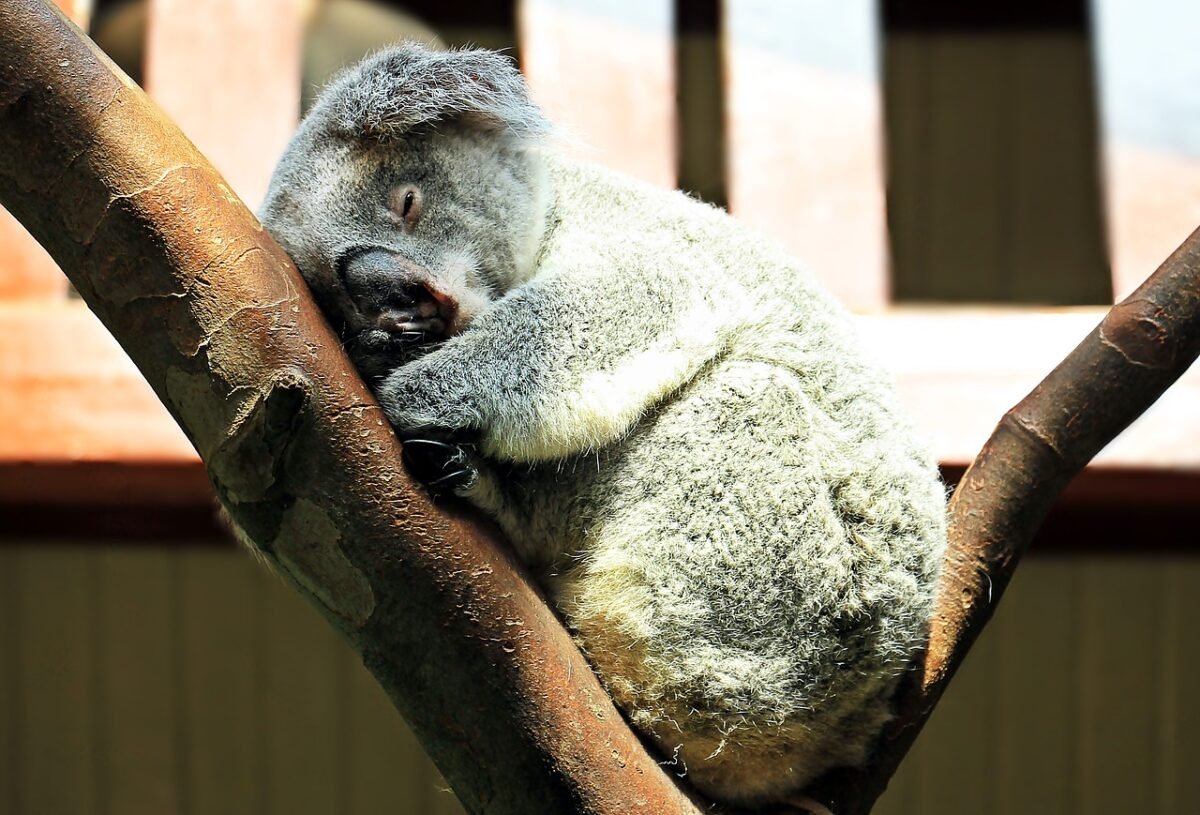
Longleat Safari Park came under intense criticism in October 2018 by the Born Free Foundation for importing five southern Koala bears half-way round the world from eastern Australia to stock their new “Koala Creek” attraction. Although Longleat strongly refuted the suggestion that the attraction was a “money-making” venture and insisted it was a vital conservation and research project it is strange that two wombats were also obtained along with some Pottoroos to form the new Koala Creek located next to the Giant Otters and Crocodiles. Whether scientific or money making it did wonders in increasing footfall and publicity for the park. 

One has already died unnecessarily in the name of conservation.

There was so much wrong with this enterprise including the timing of its opening on the 29th. March just as the school Easter holidays were approaching which cannot have been a coincidence. Longleat were also quick to point out and promote the attraction as the only place in the UK to see Koalas.  It is so similar to the Chinese hiring out Giant pandas for zoos to increase their income.

One female Koala tragically died  soon after arrival from kidney failure.  Luckily it wasn’t Dennis the only male of the five otherwise the ‘breeding programme’ would have been a non-starter. Apparently Dennis was found to be too young to breed anyway so this necessitated another “rare” male 12 year old Koala named Burke, a proven breeder, travelling 10,000 miles from a zoo in Japan. So far it would appear that neither Dennis or Burke are making much headway in saving the world’s koala species. 

There is also the question of how “vulnerable” Koala numbers are, as Australian authorities have in the past allegedly killed at least 700 koalas in euthanasia culls in coastal bushland areas near Melbourne because of overpopulation and “for their own good”. Koala  populations are “strong” in southern Australia according to many sources and there are dozens of sanctuaries, zoos, wildlife parks and attractions throughout Australia that have them in captivity. 

The Koalas have not been but from a pseudo wildlife park called Cleland Park which is one of the few in Australia where you can manhandle and cuddle these shy, sedate and easily stressed animals for an extra fee to have your photograph taken. This behaviour is finally being phased out by most other similar enterprises.

male tiger in zoo

Lions and Tigers killed at Longleat.

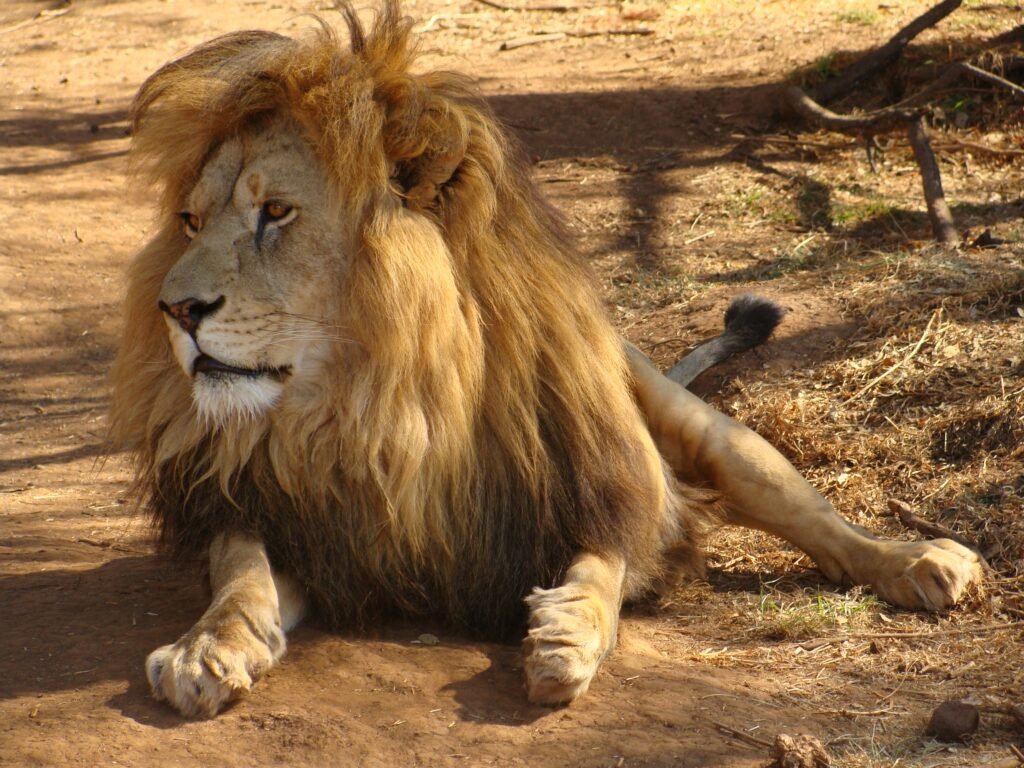
It is not the first time that Longleat has come under scrutiny as in 2014 The Mail on Sunday newspaper alleged that they had a lion breeding programme to ensure there are always cubs on show and that they had killed adults and cubs in the past. In February 2019 a female tiger named Amur was killed in a fight with two other tigers and two other female tigers died an early death, one from cancer and the other from a heart attack brought on by a routine medical operation. These were part of another breeding programme which produced two cubs in 2019, but obviously not doing much to increase the endangered tiger population with all the deaths.

Zoo conservation programmes are often not what they seem and the animals often suffer the consequences of the research. Zoos like to hide behind their conservation and educational credentials rather than admit that they are predominately part of the entertainment industry and for this reason it is not surprising that some people may approach such projects cynically and view them unethical. I hope that everyone who visits such attractions should not be fooled by all the conservation hype and appreciate what animals have gone through to provide a day’s entertainment.