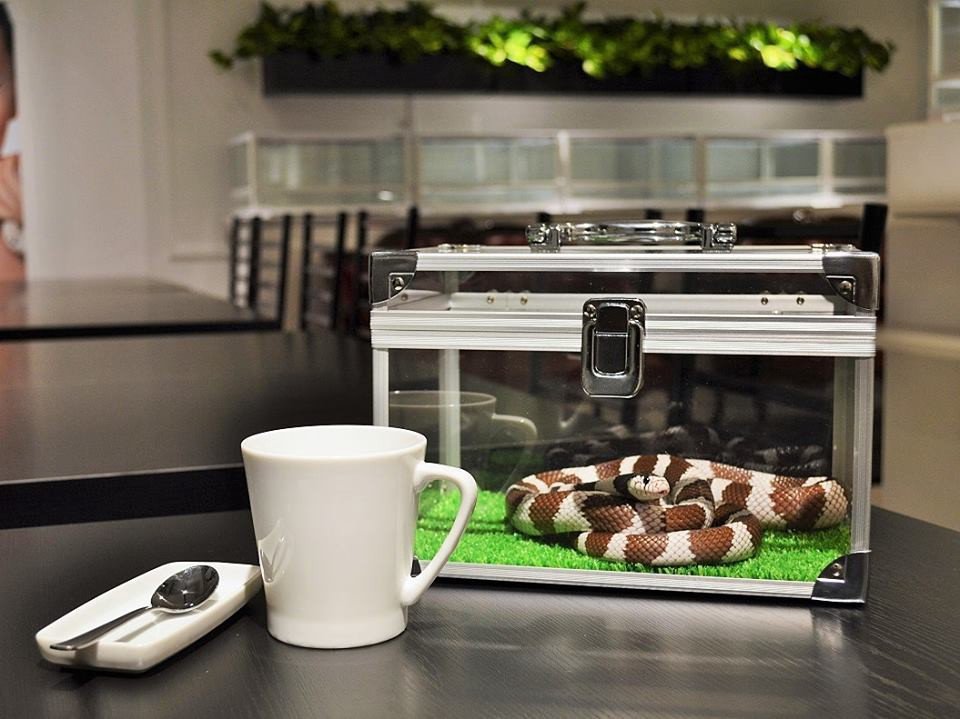
Otter lunacy in Japan’s animal cafés.

Can we expect to be drinking a latte with a hedgehog or otter at our local Starbucks or Costa anytime soon in the UK?

Animal cafés are opening across the world particularly in Asia at an increasing rate despite the obvious welfare and food hygiene issues and are proving a major draw to foreign tourists thanks to social media. Although a few restrict themselves to dogs or cats many cafe owners are constantly trying to outdo each other by introducing more and more different animals to become the quirkiest establishment.

It all began with offering customers the chance to have a latte in the company of rabbits, cats and dogs but has moved on to monkeys, chinchillas, alpacas, hedgehogs and even penquins, but now it is the turn of otters.
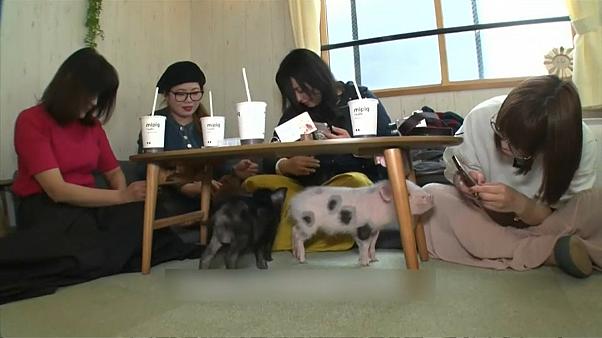
Cafés are heavily promoted by social media

The trend or craze is being fuelled as always by social media and judging by comments the draw of these establishments is that they are ‘cool’, the animals cute and the experience unique. This maybe a reflection on how the younger generations view animals and how out of touch they are with animal welfare issues.

The cafés are heavily promoted on travel sites, YouTube videos and the general media with little concern for the unnatural conditions faced by the animals and the stress of constant handling. They have become popular tourist attractions with foreign visitors who flock to cuddle them and take selfies to post. It has also resulted in a demand for pet otters with the inevitable rush to captive breed them and the knock on result of unwanted ones starting to appear in rescue centres in poor condition.

Foreign tourists are flocking to these animal cafés so can we expect our local Costa or Starbuck in the UK and USA to follow suit. I suspect if given the chance they would.

When will we understand that animals are not toys

It would appear from watching the videos that the foreign clientele are young adults or parents who see no harm in giving their children the impression that it is acceptable to use animals in such a way as though they are toys. We just cannot resist the desire to get up close and personal with animals and ignore the fact that most of them are stressed by the encounter.

Hedgehog cafés are the most popular.

Baby hedgehogs have been popular for a while now and you can even buy one on the spot once you have bonded with it over your coffee. You can even share a meal with a monkey or snake and have the monkey deliver it to your table dressed in a waiter’s outfit. It appears there is no end to this lunacy.

The otters used tend to be the small clawed species because, according to café owners they do not scratch so badly. Ironically the first wild otter to be seen in Japan for 38 years was spotted a few weeks before the first café opened and now the locals want to see what one looks like and own one.
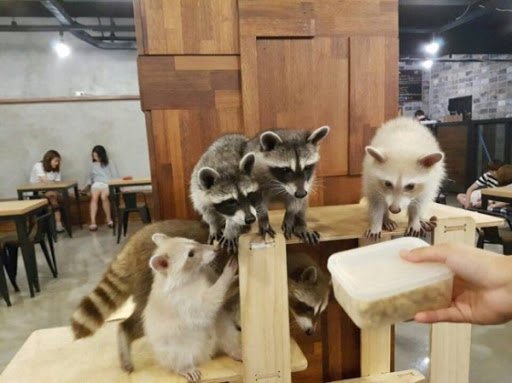
Animal cafe with racoons
What happens to them when they become adults.

Given the chance would we have a latte with a hedgehog, otter or monkey at our local Costa or Starbucks?

We are now seeing cat and dog cafes opening in the UK. In fairness there is probably nothing wrong with a cat cafe as most cats enjoy pampering and interaction and there is often an added benefit that they are unwanted and looking for new homes. The problem is the use of unsuitable animals and on the spot selling to customers.

So, as these cafes are so popular with Western visitors in Japan can we expect our local Starbucks or Costa to cash in on this lucrative trend? Unfortunately, I believe that given the chance many would happily patronise such establishments, despite animal rights protests, because there is an increasing trend that it is now acceptable to exploit animals and a new generation that doesn’t appear to fully understand the concept of animal welfare.
Where and when will all this lunacy end.

Related Articles:

Releasing captive bred pheasants should be abandonment.

No legitimate reason to abandon millions of hapless birds each year.

On Good Friday 2019, the Animal Liberation Front (ALF) allegedly raided a large pheasant and partridge hatchery in Mildenhall, Suffolk and released 9,000 pheasants into the countryside as part of their “dismantle the shooting industry farm by farm, shoot by shoot”. Later thousands were “illegally” released from hatcheries in Cornwall and Wiltshire.

Whether this was of any benefit to the pheasants is a mute point, but every autumn we continue to allow millions of the creatures to be released to be killed by humans, road traffic, starvation and predators alike. To anyone with little knowledge of the pheasant and partridge shooting industry, which is worth £2 billion in revenue to the UK, the number ALF set free might seem colossal, but in reality they only represented 0.028% of the total 30-35,000,000 estimated released each year.

Despite all the arguments, there is no legitimate reason to abandon millions of these innocent birds and leave them to their fate, as it does nothing to preserve the wild pheasant population in the UK or conserve habitat or the countryside as it is purely done for revenue and sport.

I use the word “abandon” advisedly as the terminology everyone prefers to use is “release” as though we are referring to a Born Free scenario of releasing wild animals back into their natural habitat. If it was any other captive bred or companion animal the action would be classified as illegal abandonment.

Unfortunately, these hapless birds have little wild heritage and half of the 30 million pheasants and 6 million partridges are imported into the UK as day old chicks according to the British Association of Shooting & Conservation (BASC), then reared intensively in hatcheries and then put outside in pens to ‘acclimatise’ to the wild.

50% of pheasants die before anyone gets a chance to shoot them.

In reality young captive reared pheasants are completely naïve with no experience of the wild or parental influence to guide them away from danger or instil natural instincts, making them extremely vulnerable to predators particularly foxes.  They have a reduced survival rate and limited breeding success even if they are lucky to survive into their second year. At one point a few years back ‘hunters’ were complaining that the birds were becoming too docile and tame and the industry had to use new pheasant strains with more wild characteristics.

According to the industries’ own research the survival rate of pheasants is appalling with:

  • 36% of them being eaten by predators (23% before anyone has a chance to shoot them);
  • 7% killed in road accidents and from disease;
  • and 3.5% dying while being raised

which equates to 50% mortality before hunting begins. 37.5% are then shot during the four-month season (7% of these not on the shooting estates), making a grand total of a staggering 84% mortality. The few that survive all the carnage are mostly wiped out within a year.  Research has indicated that their release each year has no effect on increasing the wild population and is purely for commercial reasons.

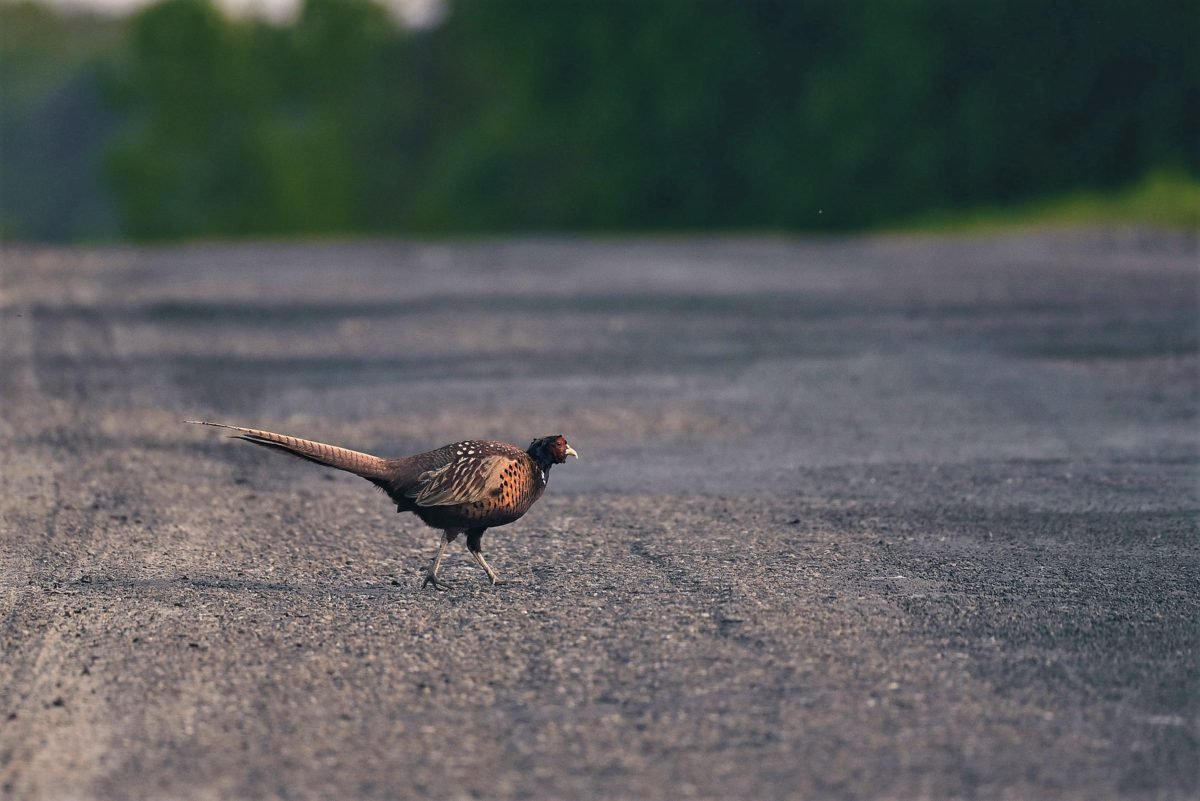
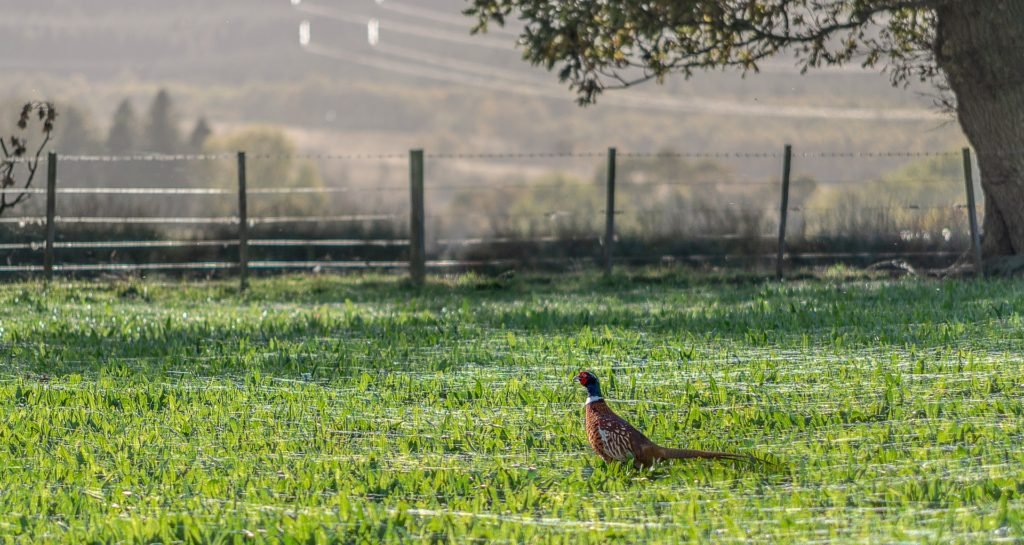
Pheasant in countryside

With all the knowledge and research indicating that reared birds have a reduced survival rate, high mortality, limited breeding success and an inability to fend for themselves adequately in the wild, it could be argued that their release qualifies as illegal abandonment and causing unnecessary suffering, particularly in the context that it is not necessary to release them in the first place, but everyone seems to distance themselves from this point.

Taking a purely cynical standpoint, if this kind of hunting is to continue why not just cut out most of the pre-shoot mortality, road deaths and suffering and just place the birds in large aviaries where the marksmen can kill them at leisure like a kind of turkey shoot, but can you imagine the outcry then. Looked at in purely realistic terms this would lessen the deaths and fewer birds would suffer, but of course it would be no “fun”, not “sporting” and might make people realise what a horrendous sport this really is.