Walking through a zoo in winter is a depressing experience with a sense of desolation for both the animals and the visitors, something I discovered this December when suffering from the seasonal blues and feeling a desperate need to commune with wild animals I decided to venture into my local zoo for the first time. I am not a fan of zoos and in fact this was my first venture into one for over forty years but I was also interested to discover if my poor opinion of them might have assuaged over the years.

An atmosphere of emptiness
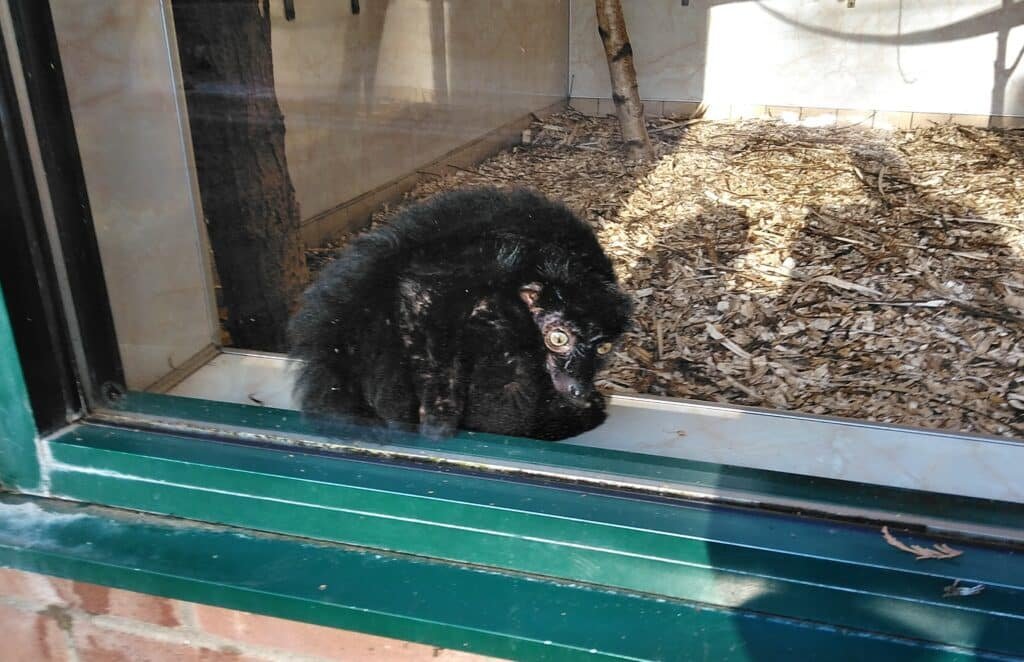
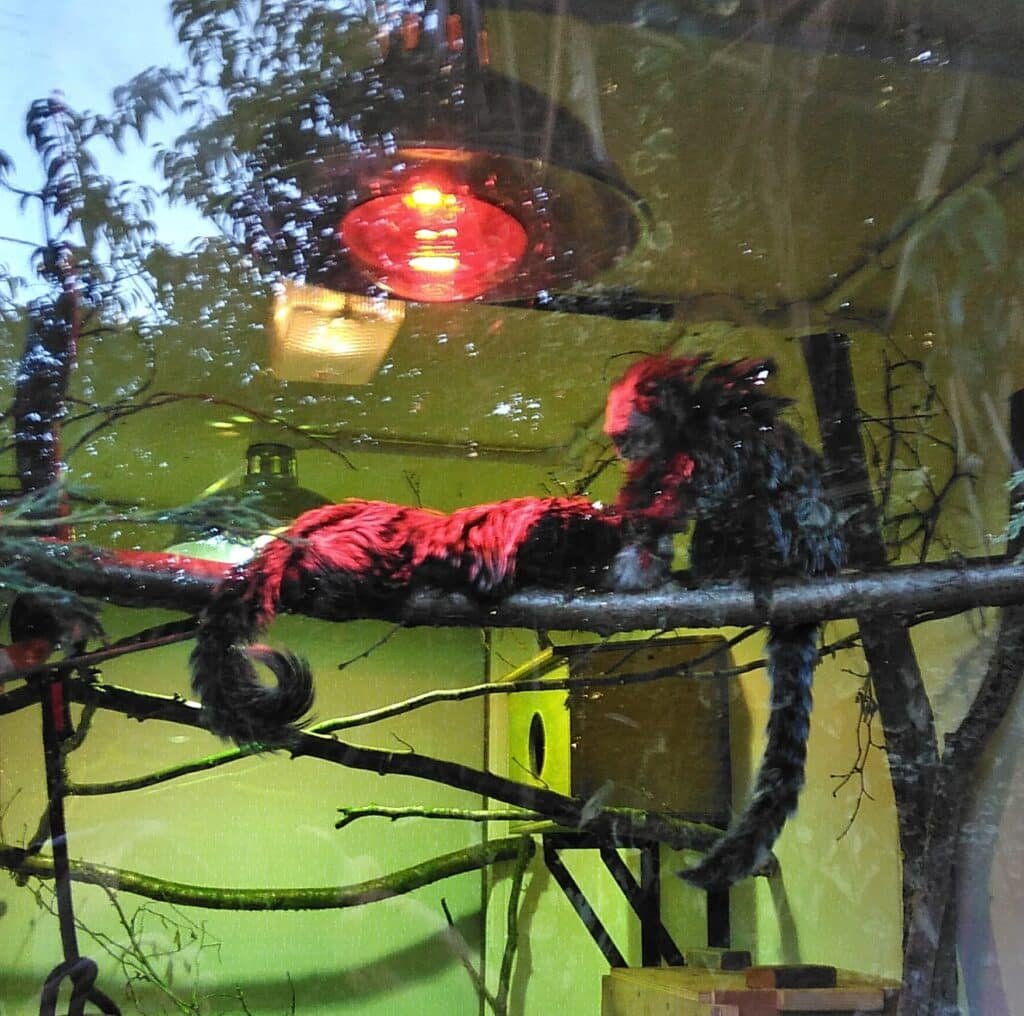
It immediately struck me as I wandered with a handful of other visitors, that the usually vibrant environment becomes subdued and silent during the winter months. An atmosphere of emptiness and isolation pervades, heightened by the shuttered cafes and ice cream stalls, which remain closed for the season. Wooden huts with empty outdoor enclosures only add to the sense of bleakness; empty because the cold discourages the animals from venturing out. They huddle inside under heat lamps in an effort to retain what little warmth they can find. Those few that did venture outside were desperately seeking out the infrequent patches of weak sunlight.
It was soon obvious that reduced visitor numbers only adds to the animal’s monotony and contributes to them exhibiting signs of reduced attention and interaction, staring out with expressions of boredom, longing for stimulation and activity.
As I wander I find a solitary leopard lazing quietly on a log surveying its enclosure and its eyes follow me with a haunted look. A lone female cheetah paces her grassy compound in a trance-like state, endlessly circling as if searching for something unattainable. Nearby, a magnificent male Bengal tiger sits perched atop a specially built wooden tower, wistfully gazing at the distant countryside before lethargically climbing back down and sauntering back inside.
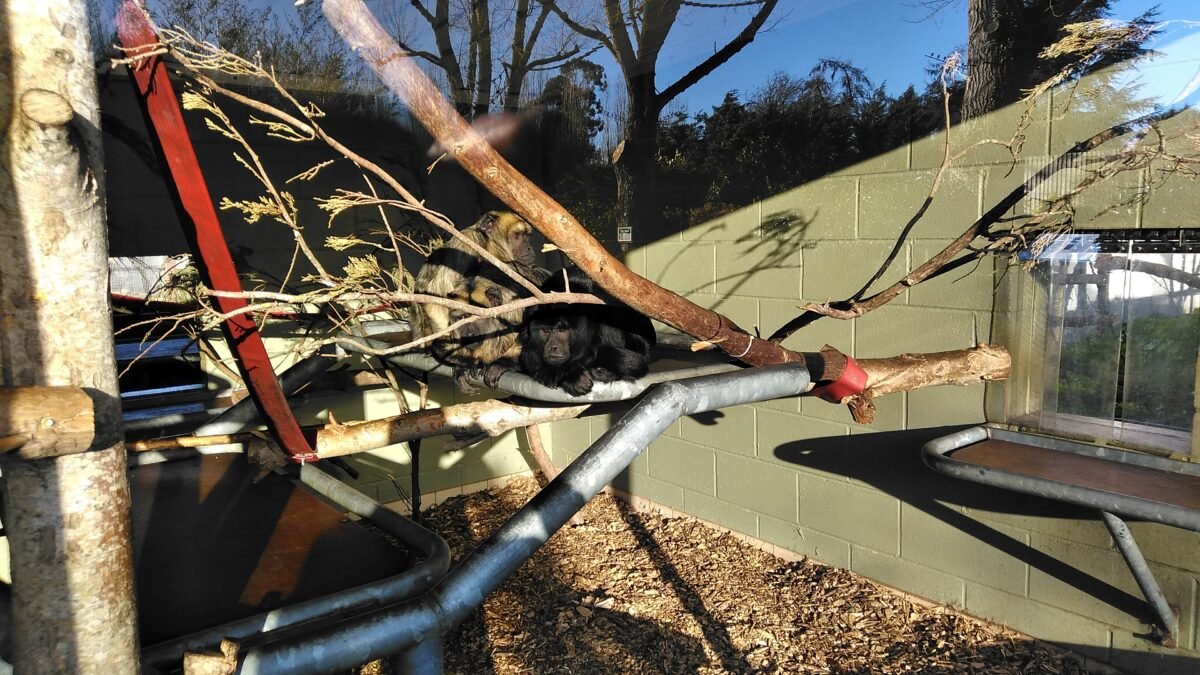
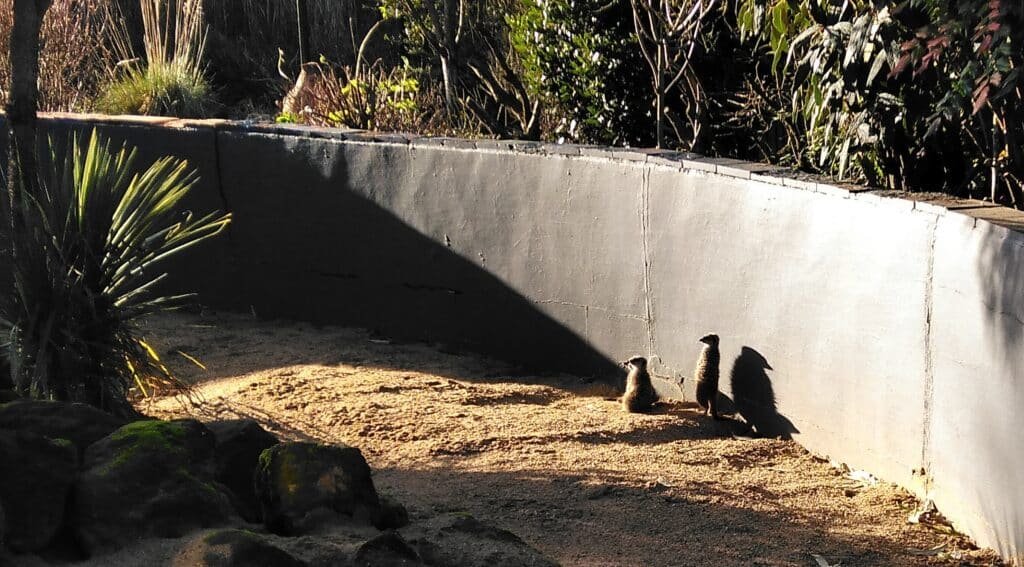
A trio of normally gregarious meerkats lean up against the wall of their pen in a sun spot looking dejected and without life. Three howler monkeys sit on top of each other for warmth and comfort with sad faces. They peer through the glass of their enclosure out of utter boredom and three baboons sit on a gantry to their outside pen, their watchful eyes and subdued behaviour highlighting the unfamiliar stillness that has settled over the zoo.
And what of the staff who also seemed to pervade the same emotions and behaviour, unwilling to catch your eye or interact, as they hose down a yard or walk past; perhaps also missing the bustle of throngs of visitors. All these behavioural changes underscore the impact of winter conditions on zoo inhabitants and operations.
Visiting a zoo in winter is a depressing experience with a sense of desolation for both the animals and the visitors and it is obvious that reduced visitor numbers only add to the animal’s monotony and contributes to them exhibiting signs of reduced attention and interaction, staring out with expressions of boredom, longing for stimulation and activity.
Unfortunately I left the zoo with a realisation that my visit had done nothing to change my opinion of zoos having witnessed animals that bear no resemblance to their wild cousins who I have had the pleasure to observe on my travels.