We seem to lose all common sense and concern for our own health and safety
With mass tourism spreading round the world it doesn’t take long for local entrepreneurs to realise the strong lure of displaying local wildlife to tourists in unregulated collections, animal rides and shows, particularly when it concerns young animals or up close encounters. And they are quick to entertain the hordes and grab the foreign exchange.
As tourists abroad we seem unable to stop ourselves from taking part in these pursuits just to while away a few hours. Often visits to these places are part of excursions and day trips advertised on boards outside every tourist information stand. Many of those who book these trips see no wrong in it, and become fed up with ‘do-gooders’ or ‘animal lovers’ telling them it is wrong.
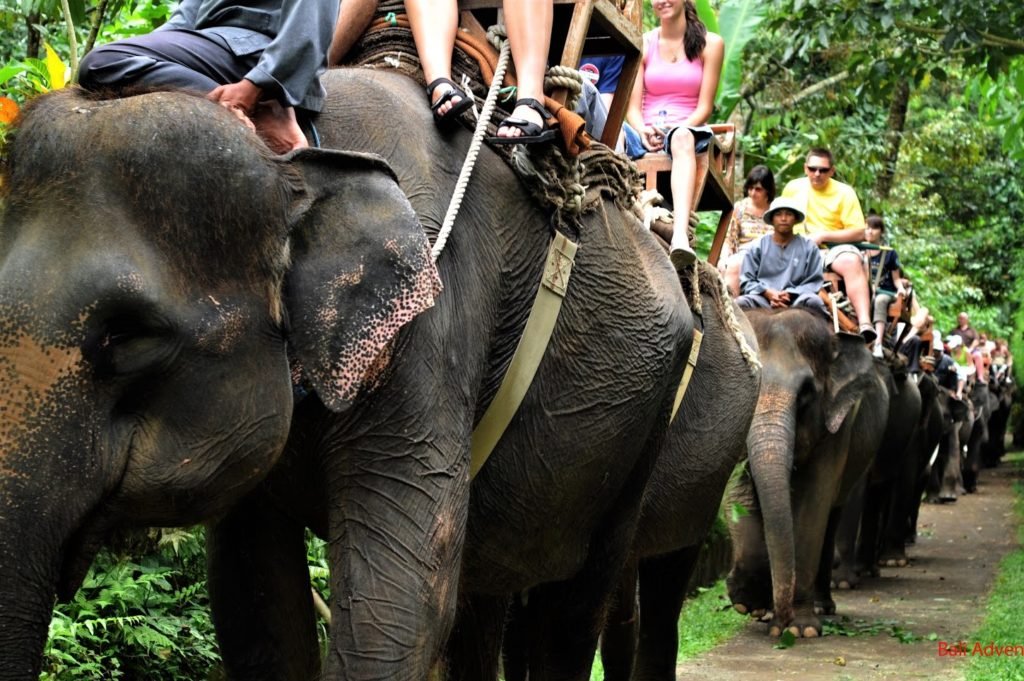
We seem to lose all common sense and concern for our own health and safety and visit certain attractions which we would never consider supporting at home, usually as part of our holiday itinerary, such as riding elephants, posing with baby monkeys, tigers or snakes or watching crocodile wrestling, performing bears and elephants, cock-fighting and bull-fighting, the list is endless.
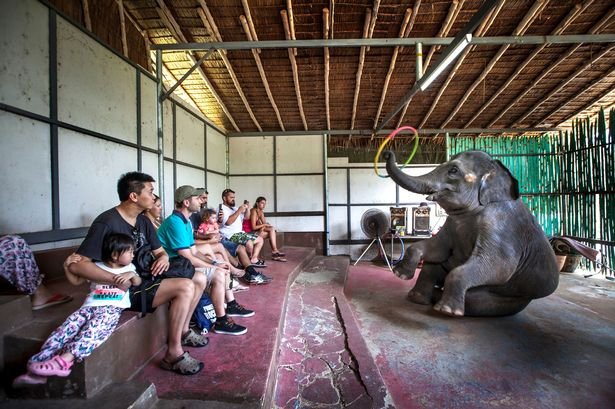
The promise of close contact with animals entices us and for some absurd reason we are eager to accept assurances from total strangers in charge, or tour guides, that the baby monkey or tiger cub we are about to hold, the pen we are about to walk into containing adult tigers, lions or leopards or the animal we are about to ride on are perfectly safe to be in close contact with and have our photograph taken with. We have no idea of the unpredictability or danger posed by ‘tame’ or semi-tame wild animals.
We also, for some inexplicable reason, cannot associate the same cruelty and suffering involved, with that of circus animals which most people are supposedly against. Globally, incalculable numbers are trained by methods which normally involve fear and pain and they face torment and neglect living in unnatural environments. Trainers force them to do demeaning and unnatural tricks and although there is plenty of advice and publicity available on the issues, most tourists abroad lap it up, particularly the burgeoning tourist trade from countries which see little value in animal rights.
No consideration is given to what kind of life the animals experience and what happens to them once they outgrow their usefulness. The poor things are only brought into the world to make a lot of foreign currency for the owners, which is only made possible by the clueless tourists who support such ventures.
For me it is impossible to understand why watching some local idiot wrestling with a snake or a crocodile or a poor monkey riding a kids bicycle is a pleasurable experience. Honestly what do we get from experiencing these or riding on an elephant’s back for twenty minutes or so when the poor creature spends most of its life chained up.
Such behaviour is not just restricted to ‘exotic’ countries with different values, as such activities are common in the USA, Canada and Australia where you can pay to meet and stroke tigers at petting zoos or watch alligator wrestling. Tiger petting attractions are very popular throughout South East Asian countries such as Thailand where tour companies promote the experiences, such as Tripadvisor and ‘animal loving’ reviewers laughably give them the thumbs up.
When the animals are too old to perform or are no longer ‘cute’ and particularly if they rebel, the owners discard or kill them. Baby monkeys are taken from their mothers, attached to rope leashes and paraded around all day. Once their cuteness wanes with age and they become aggressive through frustration, they are either killed or discarded. They are rarely able to fend for themselves or safely join a troop.
History is littered with highly publicised tragic incidents of so-called rogue animals attacking, mauling or killing innocent tourists, but usually it is the tourist who is mainly culpable. Despite these regular incidents we never seem to learn.
Tourists have short memories and still put their lives at risk to go elephant trekking as it is a thing to do on their bucket list.
In 2000, at an elephant ‘show’ in Pattaya, Thailand a man and his two daughters were crushed by a frustrated elephant that ran amok into the seated audience. One of his daughters was tragically killed and after the incident the naive father criticised the lack of medical facilities at the park and lack of an ambulance. Attacks by exasperated and cruelly treated elephants in countries like Thailand occur every year and are widely publicised, but tourists have short memories and still put their lives at risk to go elephant trekking as it is a thing to do on the tick list.
In 2016, a Scottish tourist named Gareth Crowe was trampled and gored to death by an elephant in Koh Samui in front of his 16-year-old daughter having allegedly tormented the animal with a banana and when attacked by his handler wielding a speared hook, gored him as well.
No matter how well-trained and socialized with humans an animal is, we fail to understand that wild animals never lose their wild instincts and can rebel at any time when they become frustrated and their natural wild urges come to the surface.
The message is not getting across that posing with captive wild animals with no thought to how the poor creatures was obtained, housed and cared for, and ultimately disposed of is a crass behaviour just to get meaningless photograph posting on social media and forgotten in no time.
By attending these events you are not only playing a part in continuing the cruelty and suffering involved behind the scenes, but RISKING YOUR LIVES!