
Why do we lash out at those trying to help animals?
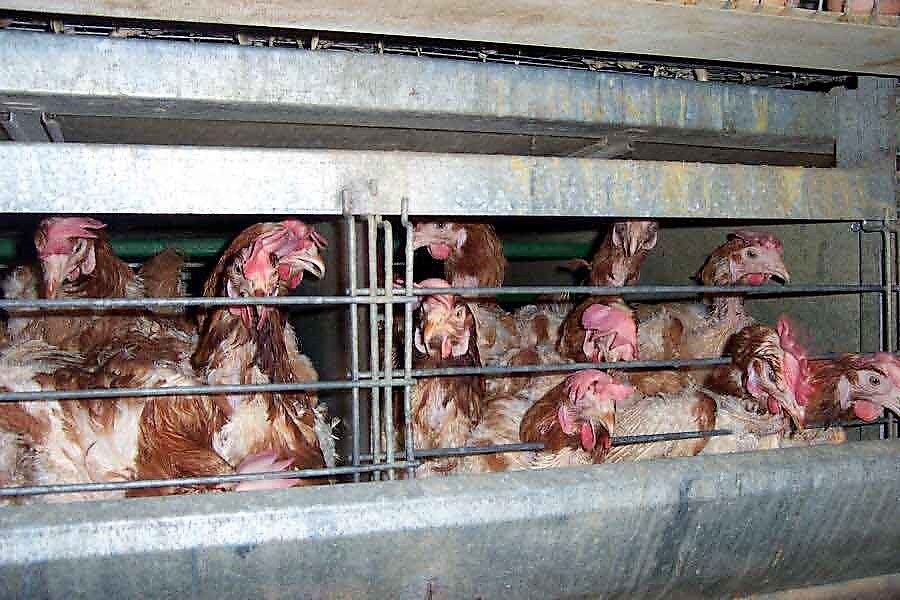
Proactive animal charities which concentrate on abject cruelty issues are increasingly coming under attack by organisations and groups who wish to maintain the status quo in regard to using and abusing animals. The charities that are targeted tend to be those and whose aims and actions become a nuisance and interfere with people’s pastimes, sports and hobbies.
Proactive charities spend large sums politicking, prosecuting cruelty, crusading, campaigning and educating and on some occasions taking direct action. By doing this they bizarrely attract excessive criticism and condemnation. Detractors criticise them for spending too much money on these activities rather than rescuing individual dogs and cats even though they often manage to achieve long-term improvements which benefit large numbers of animals.

Those on the front line of these attacks are the UK’s RSPCA and most other SPCA’s around the world and organisations such as Humane Societies of the United States (HSUS) and People for the Ethical Treatment of Animals (PETA). All of these come under fire from those factions who feel their livelihoods and pastimes are under threat by all their campaigning. It is rare to ever hear a bad word said about charities such as the Dogs Trust, PDSA or Blue Cross because we seem to have a confused concept of what animal welfare entails and where money is better spent.
Should it be spent prosecuting animal cruelty and tackling such issues as hunting, the fur trade, intensive farming methods and curtailing unnecessary vivisection or spent subsidising irresponsible pet owners and providing expensive state of the art facilities to house homeless animals.
Anything goes in making them the bad guys.
The RSPCA is continually lambasted for a perceived over-stepping of their remit of “preventing cruelty by all lawful means, promoting kindness and alleviating the suffering of all animals” with biased investigative documentaries, spurious news reports and hate websites. Hate websites exist for most SPCA’s around the world containing some extreme content and profane remarks. Go onto any search engine and type “hate RSPCA” and you will discover pages of sites decrying them for something or other mostly by misinformed people, but even the legal profession is not averse to stoking up the paranoia.
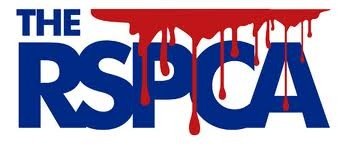
Some UK lawyers appear on a crusade to curtail animal cruelty prosecutions in the UK. Some lawyers advertise themselves as specialist defence lawyers against the RSPCA and arguably publish a lot of misinformation to muddy the waters. At least one firm posts quite extreme and lurid viewpoints about the charity on their website. One goes as far as to show an RSPCA sign dripping with blood stating the charity has ‘increasingly taken over the investigation and prosecution’ of animal cruelty in the UK and accuses their inspectors of being “sheep in wolves clothing“ by dressing in police style uniforms to dupe the public.
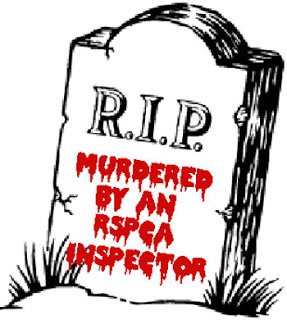
They also cite the RSPCA of slaughtering 1000 healthy dogs and cats annually and state that ‘there are few prosecutions that cause more anxiety and trauma than RSPCA prosecutions’.
Critics of Humane Societies of the United States (HSUS) have set up a watchdog site called ‘Humane Watch’ specifically to censure them on the basis that they spend most of their money campaigning ‘on the hill’ (US Congress) at the expense of local animal shelters, killing hundreds of animals unnecessarily and of misleading the public and donors into thinking they are a welfare organisation. Most of their rhetoric is unbelievably spurious and ridiculous but unfortunately many people fall for it. How animal lovers can be against organisations whose wish is to cut the number of animals kept in cages by stopping them from becoming unwanted, abandoned, cruelly treated or sick in the first place is difficult to understand.
HSUS recently fell foul of the powerful US gun lobby: the National Shooting, Sports, and Fishing organisation (NSSF) for trying to get the US Government to ban hunting on one-fifth of the total land area of the USA, which drew the perplexing response from the NSSF that they would expose HSUS as ‘the anti-hunting, radical animal rights organisation it is’.
Better to give money to “woolly charities?”
Using the term “animal rights” is a clever tool because it gives the impression that an organisation is in some way anti-society or violent and conjures up pictures of hooded people turning up in the middle of the night with bombs and making abusive telephone calls and death threats. By accusing them of being “animal rightist” they hope to persuade donors not to fund them, and they actively promote giving money to what some have described as ‘woolly’ charities which are viewed less threatening to their interests and who avoid any confrontation by solely finding homes for “fluffy animals“.
Statements made by critics that money is better used directly on ‘animal welfare’ by harmless rescue centres and not to pro-active animal charities highlights our increasing misconception that welfare is just about rescuing and finding homes for unwanted animals. Most of the rhetoric is aimed at making out that the aims of animal rights are far less meaningful than those of animal welfare.
The self-proclaimed world’s largest animal rights organisation PETA is probably the most maligned organisation on the planet and attracts criticism from all quarters including vegans and animal lovers. They are accused of hating animals and “furthering their own political interests“. A lot of this revolves around the impression that they want to ban pet owning, destroy most companion animals and stop us from having any fun with them, which is mostly taken somewhat out of context. Most of the good work they do on other issues is mostly overlooked such is our fixation with companion animals.
It is evident that as a society we are extremely split and misinformed when it involves the “rescuing” and “saving” of animals and we have great difficulty deciding how best to accomplish the best for all animals. It is unfortunate that we feel we have to lash out at those who do so much work to help them which only aids those that want to continue abusing animals.