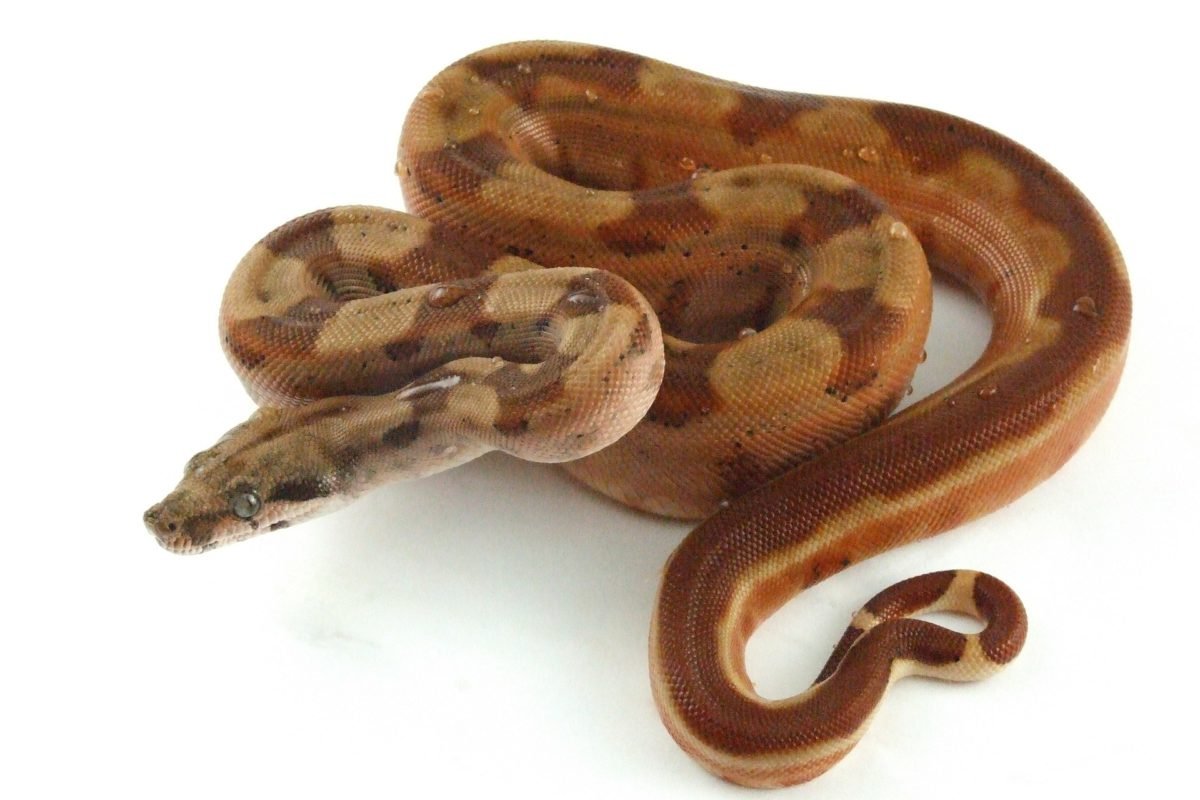
The British Veterinary Association (BVA), The American Veterinary Medical Association (AVMA), The Federation of Veterinarians of Europe (FVE) and even the British Veterinary Zoological Society (BVZS) plus most other governing veterinary organisations worldwide have stated they are concerned about this burgeoning trade. They believe that ownership is a threat to native species, is a cause of population and habitat decline and that owners may not be able to care for them compromising their health and welfare. The animals can be a risk to human health as well as a danger to the public if they escape. Wild caught animals and birds are caused stress during capture, are poorly acclimatisation and suffer high mortality during transport and holding. So how come the trade and hobby continues?
NTCA’s – the veterinary professions’ acronym for exotic pets.
Vets have come up with the novel acronym of NTCA’s or ‘non-traditional companion animals’ to describe exotic pets which not only gives the impression that they can be described as suitable companion animals, but also gives their sanction to keep them.
“There are some species whose five welfare needs are so specialised they could rarely or never be met in a domestic environment. Other species should only be kept under licence or for defined and authorised conservation purposes.” We support the keeping of species as companion animals for which there is reasonable expectation based on published evidence and professional experience, that their five welfare needs can be met by suitably informed people. However, some NCTAs, such as reptiles, have exacting husbandry requirements, e.g. for humidity, lighting, nutrition and temperature, others such as birds have complex social, cognitive and nutritional needs, all of which must be fully researched and understood before acquisition’.
BVA Policy on exotic pets December 2015

Veterinary profession does little to stem the trade.
Despite the fact that there is plentiful scientific evidence of the unsuitability of most exotic animals as pets and that the veterinary profession accepts that there is a need for some control, they appear to do little to stop it and are actively embracing this lucrative pet owning trend. It is particularly surprising as the profession prefers to look upon itself as a scientific body but in the case of exotic pets they choose not act on the evidence. They do not support any kind of ban choosing instead to suggest compiling lists of ‘suitability’ as well yet more research when all the evidence has been sitting there for years
The keeping exotic animals and their suitability has been a contentious subject for decades, but there has been little initiative to curtail it. Our desire to own something unusual results in the suffering and deaths of millions of animals worldwide, even before they get into the hands of inept owners. ‘Specialist exotic pet veterinarians’ have been quoted as stating that most of the illnesses, deaths and injuries they deal with are caused by the owners lack of understanding of the needs of the animals. These include inadequate diet, either too high or low heating and humidity, dehydration, lack of sufficient live food, poor handling and many other factors.
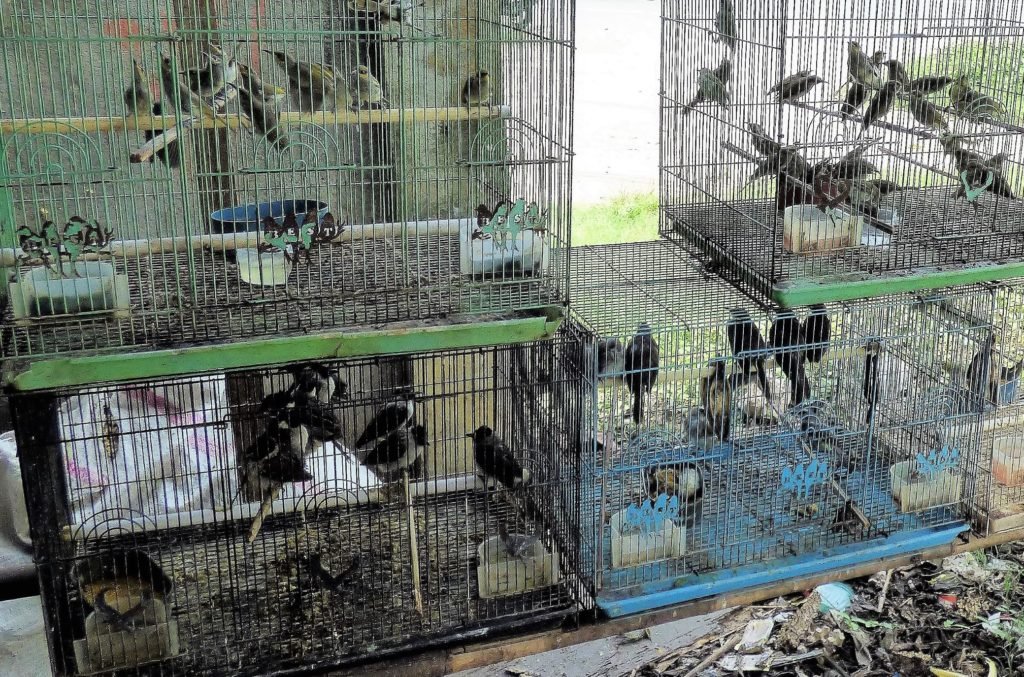
I have witnessed this first hand having been an animal health inspector at Heathrow Airport during the high point of the wild bird trade in the 1970’s and been part of a campaign to ban it. I watched birds and other animals being transported round the world destined for the pet trade dying in front of me in their hundreds. The trade in wild caught birds is thankfully over in Europe and America, but has been replaced by the reptile trade which is just as bad.
Vets cash in on treating exotic pets.
Veterinarians have been quick to embrace the situation and provide for this lucrative pet owing trend by opening specialist referral exotic pet hospitals. These are staffed by veterinary surgeons who have seen the opening in the market and obtained a certificate qualifying them to treat exotic animals and even an extra three year course to be able to call themselves specialists. Many vets are taking this pathway because the numbers being kept and requiring treatment are constantly rising and there is a great demand for their services.
Treating exotic pets doesn’t come cheap and although it is laudable for vets to step in and alleviate the suffering, treating exotic pets doesn’t come cheap and it could be argued that many animals are left to die or are abandoned because owners cannot afford the fees. Of course the insurance companies want a part of the action and were quick to provide policies. None of this though is of help in the long-term as it only encourages the trade to continue.
There is no legitimate reason for these animals to be kept captive in a home environment and there is more than adequate scientific evidence available to warrant the banning of their ownership, particularly in the case of reptiles. The potential for suffering and neglect is extreme and the numbers dying or being discarded is immense.
Why is it then that authorities worldwide are so slow at making any attempt to ban or restrict trade in them? Could it be anything to do with the fact that the trade composes a large part of the huge money-making pet industry which has a powerful lobby behind it to defend its continuance and because governments earn a lot of tax dollars and pounds because of it. What is needed is action rather than more research and compiling lists. Why can’t we stick to owning genuine companion animals – we have enough problems regulating them.