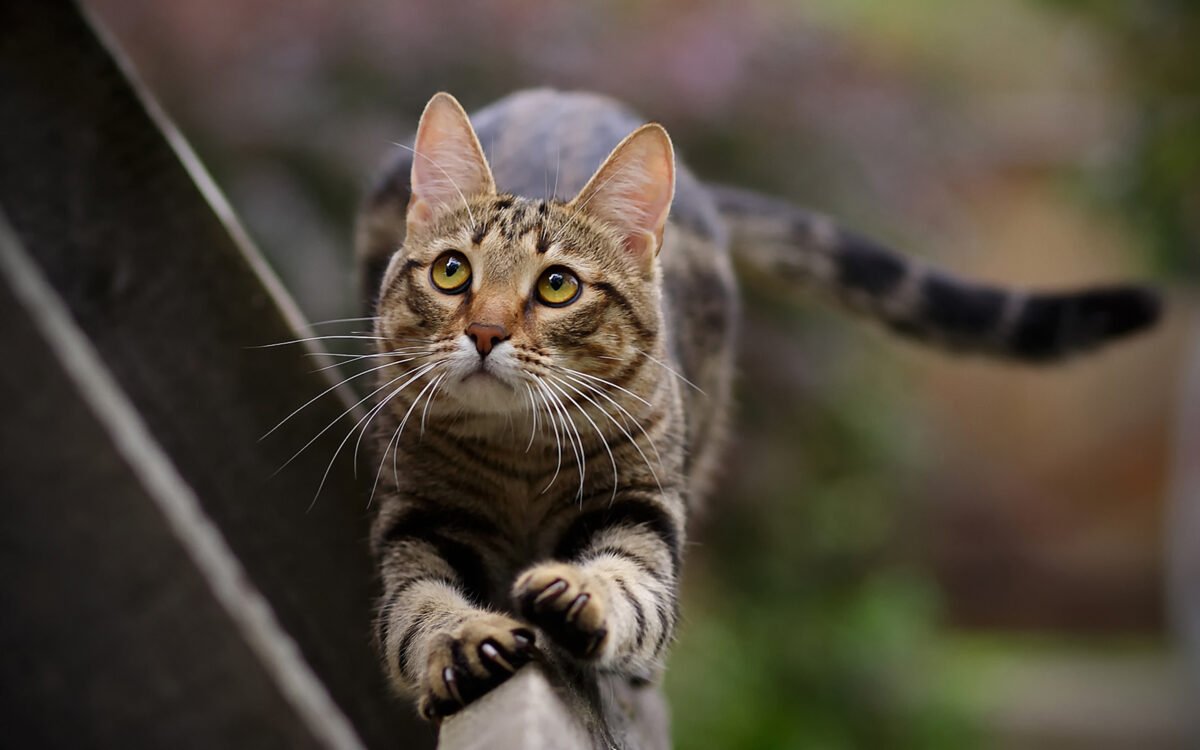
The declawing (onychectomy) of domestic cats is a controversial issue which has been in the news recently in the U.S. because the state of New York has become the first State to ban the practice. It can only be viewed as a barbaric procedure, with no moral, medical or ethical necessity to do it, but most of the world still allows cats to be declawed. Surprisingly though, the worldwide veterinary profession, and particularly U.S. veterinarians, appear unwilling to weigh in and stop it.
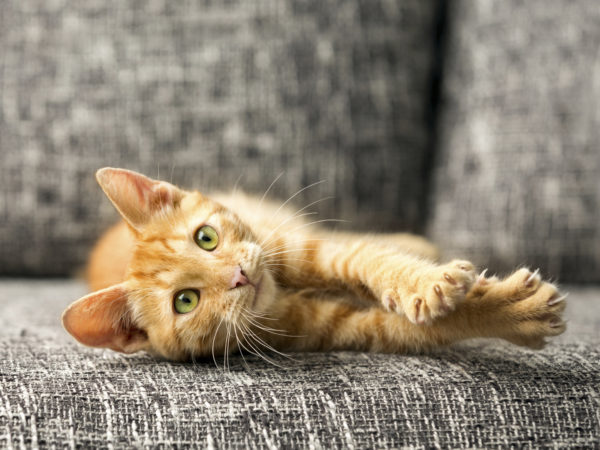
It is lawful in the USA and Canada, although some city authorities such as Denver and Los Angeles ban it. It is popular in the U.S. because many owners live in high rise apartments and do not let their cats outdoors where they can have a good natural scratch. It is illegal in most of Europe, the U.K, Australia and New Zealand where it is deemed as unnecessary and inhumane. The procedure involves cutting off the end bone of each toe with guillotine clippers or a scalpel under anaesthetic with a nerve block used for each paw. Some vets use a laser to cut through. If you were to watch such an operation, it would make most people squirm.
Cats can suffer many side effects.
Cats have their paws bandaged afterwards, are hospitalised for two days and are issued with 7 days of painkillers. Side effects include numbness in the paws, infections, back pain and possible ongoing pain medication. It is therefore surprising that so many vets are willing to perform it, but not only that, even campaign against it being banned.
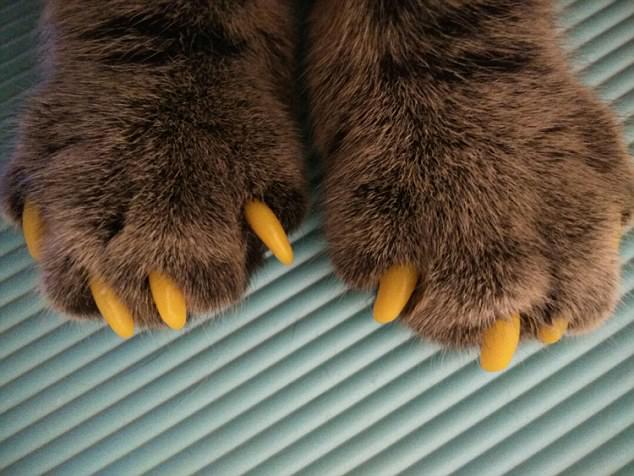
Because of the campaigns to outlaw declawing some veterinarian are promoting tendonectomy whereby the tendons that allow a cat to extend its claws are severed by surgery. Another method without the need for surgery is plastic caps that are glued over the claws, which unless you have a lot of patience and a very placid cat also requires a regular visit to the vet for the cat to be sedated. But are any of these alternatives any better. Thanks to the pet trade the plastic caps have become a fashion craze spread by social media.
Declawing in U.K. illegal since 2006.
Declawing became illegal in the UK when the new Animal Welfare Act 2006 came into force which made it an offence for a veterinarian to “carry out a procedure which involves interference with the sensitive tissues or bone structure of the animal, otherwise than for the purpose of its medical treatment” and under their guidelines a veterinary surgeon “must not cause any patient to suffer by carrying out any unnecessary mutilation”. This has supposedly stopped tail docking in dogs, which was a similar scenario in the U.K., where many veterinarians fought against having the procedure banned, but that’s another story.
Declawing cats was possible in the UK for cosmetic reasons before this, but there was little call for it, unless it was for medical reasons such as nail bed cancers or on cats of owners suffering from bleeding disorders and immunodeficiences when a scratch could be harmful. Ironically many commentators believe declawing makes cats bite more.
Many U.S. veterinarians campaign against a ban.
UK vets are at odds with their colleagues in the US who have always resisted attempts to ban it and actively lobby politicians and law-makers. It is difficult to understand why a so-called animal welfare profession can be so indecisive over this issue. It is pretty much a black and white – as either the procedure is inhumane and unethical or not. To be fair not all U.S. veterinarians are pro declawing. The problem lies within the veterinary profession which cannot decide whether it is welfare, scientific or business orientated.
The New York State Veterinary Medical Society published a long position statement on the subject which includes a few scaremongering comments about euthanasia and makes one wonder whether US vets have forgotten their oath “to protect animal health and welfare and to prevent and relieve animal suffering“. Some of the reasons given for keeping declawing legal are:
- it should be an available option when the alternative is abandonment or euthanasia;
- declawing of cats should be considered after attempts have been made to prevent the cat from using its claws destructively;
- cats that would lose their home if not declawed face a higher risk of euthanasia and spend years in conditions that may be far from ideal.
Perceived cultural difference between U.S. and U.K. veterinarians.
There is also a perceived cultural difference between the U.K. and U.S. whereby the British put welfare before all other considerations and Americans want the freedom of choice what to do with their possessions.
It could be that this cultural difference manifests itself in U.S. veterinarians who are unhappy at being told not to do something. Or could it be that with an estimated 20 -25% of U.S. cats being declawed it is a lucrative business at a low cost to them and whether it be declawing, tendonectomy or plastic caps a ban would seriously impact their income.