Coronavirus: a time to stand by our pets.

While we struggle to combat this terrible virus our companion pets will need all the support we can give them over the next few months because through no fault of their own, they could be subjected to wide ranging and long-lasting negative welfare implications. It is important that we do not succumb to misinformation and paranoia over the risks of transmission of the virus from them.

Most scientists appear to support the notion that there is no compelling evidence animals can pass the virus to humans even though this pandemic apparently began with a jump from animals into humans because of the unsanitary conditions in Asian markets and of cultural eating habits. But human nature being what it is, many of us are quick to panic.
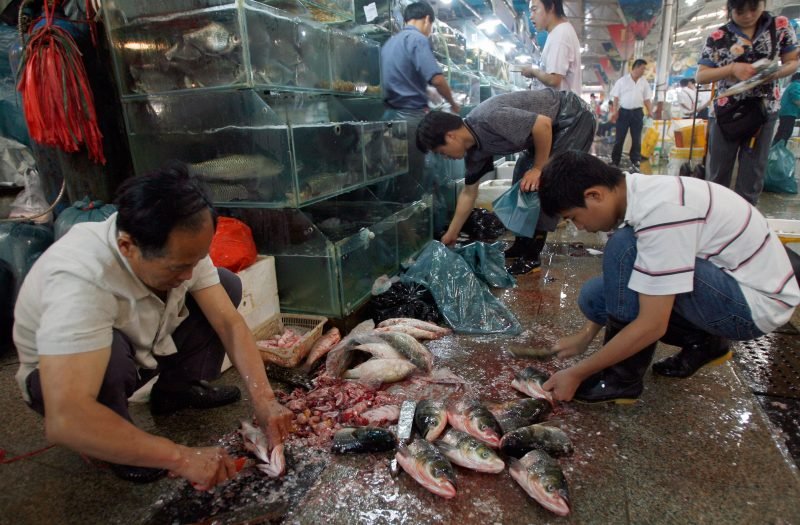
Asian wet market showing live seafood.
The animal to human contagion that caused the pandemic is believed to be linked to Asian wet markets.

Some pet owners around the world are allegedly abandoning or killing their pets. There have been lurid reports of Chinese owners throwing dogs and cats to their deaths from the balconies of high rise apartments through fear of being infected by them after media news that a dog, a cat and a tiger supposedly tested positive. Cats have been particularly singled out as being able to transfer the virus on their fur which could potentially cause a backlash towards them.

Pets and animal charities face long term effects from the pandemic.

With most animal rescues temporarily closed to adopters, the unlucky inmates face even longer incarceration and with staff numbers and visitors reduced to just essential workers, may suffer mentally from isolation from human contact. Some shelters have seen an increase in demand for pets from people seeking companionship during their enforced stay at home and are taking the opportunity to offload as many animals as possible. There is criticism that this is misguided and many fear that when everyone returns to their normal routine it could add to an even bigger influx of unwanted animals.
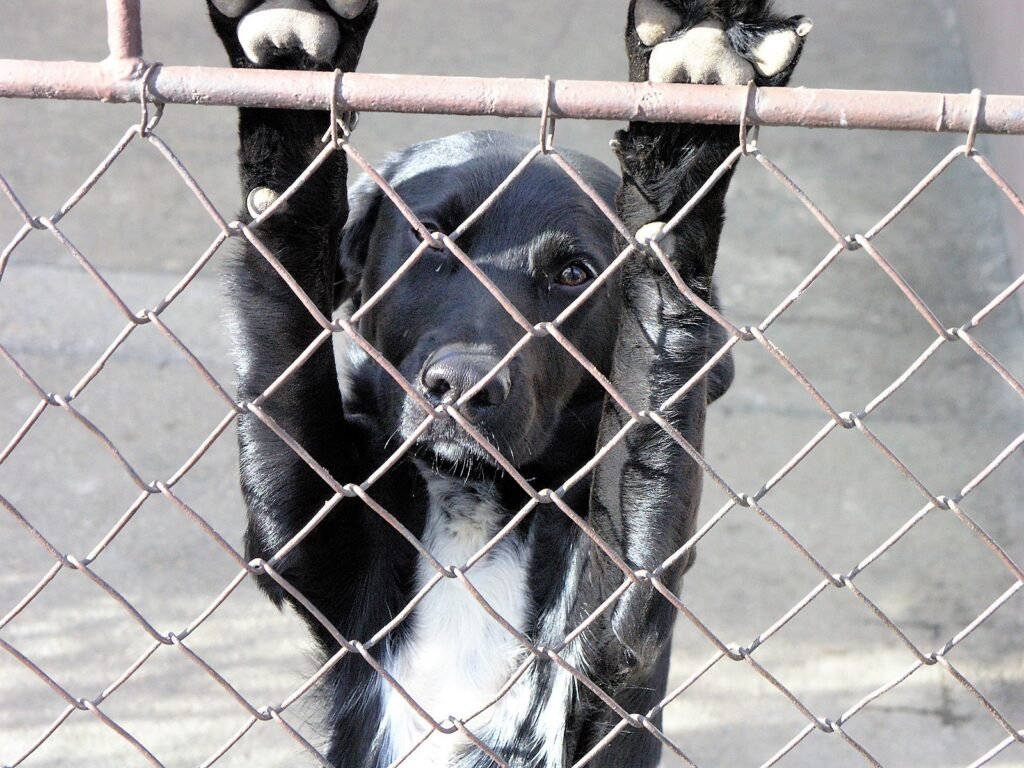
Unwanted dog, rescue dog
Many animals will have to remain in shelters for months longer due to coronavirus restrictions and may suffer stress and anxiety through lack of visitors and attention.

Not a time to consider renouncing our pets.

At any given time there are always thousands of owners looking to rehome their unwanted pets and with no facilities to take them to owners may take the easy way out resulting in a scenario of mass abandonment. The aftermath will be stray cat and dog populations increasing in many countries and a backlog for many months to come. This could result in increased euthanasia due to lack of space particularly in countries with high rates already such as the USA and Canada.

Animal welfare and rescue charities are already suffering a huge reduction in income and the present climate is not ideal for fund raising appeals when so many humans are suffering hardship. The major animal charities with their much criticised large contingency funds will no doubt continue to function adequately, while those with their hand to mouth approach to funding may well struggle to survive or even close permanently leading to more pressure on the larger charities.
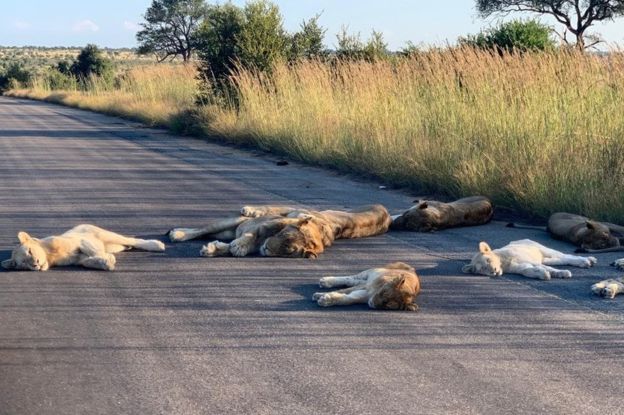
Lions, Kruger national park
The lions of Kruger national park take the opportunity of the coronavirus lockdown to take an undisturbed nap on the roads. Photo: Richard Sowry

While wildlife may not be missing us one bit, but our companion pets are seeing a lot more of us, particularly those once home alone. They are getting the bonus of 24/7 attention from owners, although they shouldn’t get too accustomed to it.
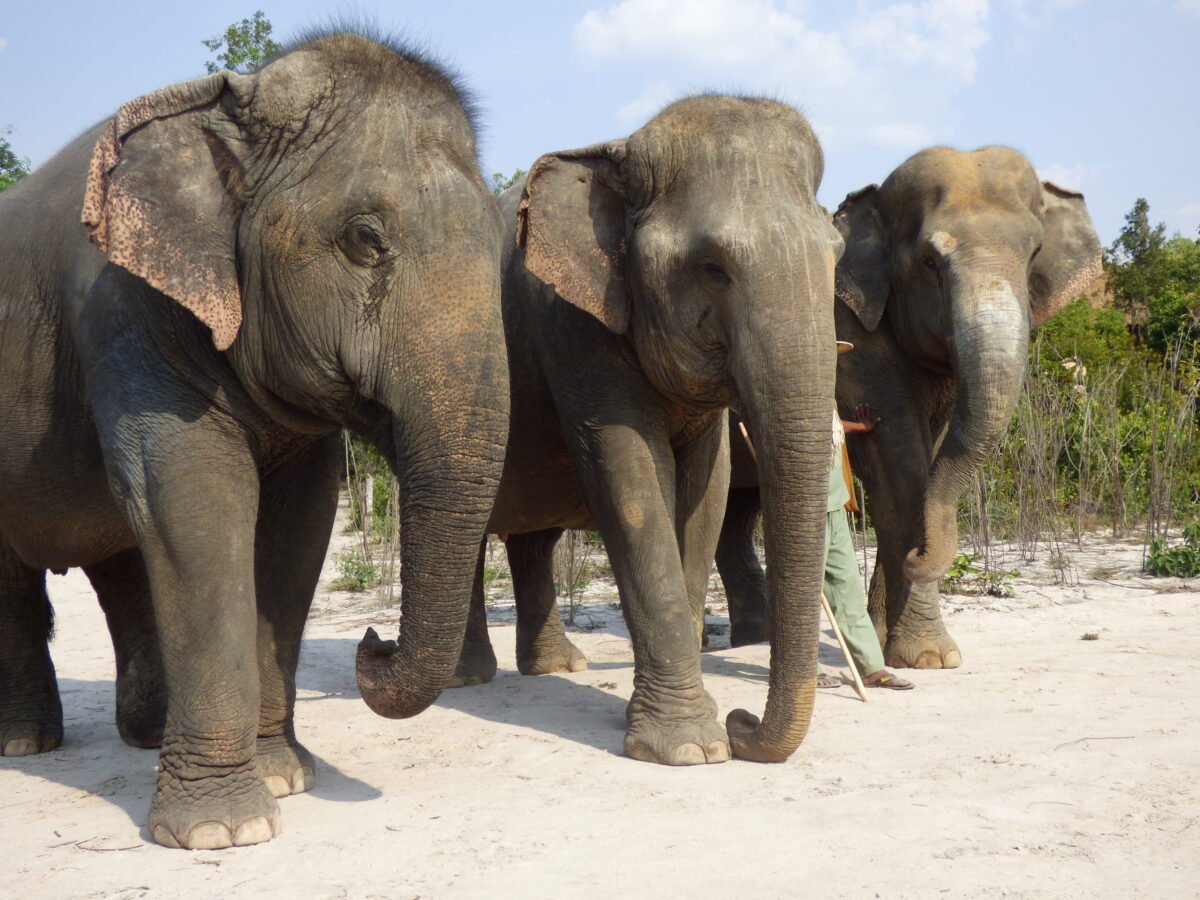
In the company of the Kulen Forest elephants.

I recently had the great pleasure to meet and spend the day with a group of fourteen Asian elephants at the Kulen Elephant Forest in Cambodia, a new retirement sanctuary for the Angkor Wat elephants who spent most of their lives giving tourist rides round the temples.

Wild elephants are rapidly declining in Cambodia with only 600 inhabiting small pockets of forest which do not allow any integration. There are also 75 captive elephants with various conservation organisations encouraging owners to relinquish them. Fourteen of these reside at the new 530 acre Kulen Elephant Forest which opened in January 2020, where they can finally roam relatively free and lead a semi-natural life.

Being introduced to some of the elephants before taking a walk with them. Photo: John Brookland

The Kulen Community Forest has mostly disappeared and is situated an hours drive north of Siem Reap in the Kulen Mountain foothills. The forest belongs to the Bos Thom Community and was being heavily deforested for agricultural purposes with only 1100 acres remaining, until Kulen Forest Asia stepped in and negotiated with the villagers to take responsibility for and protect 530 acres to provide a home for the elephants. Cambodia is third on the list of countries deforesting at an alarming rate. The reserve is operated with their permission and cooperation and in return the villagers receive employment and payments for community projects from the tourist revenue and are paid for crops grown to feed the elephants.

They were “buddied” up and seemed devoted to each other. Photo: John Brookland

On arrival we hiked with a guide for twenty minutes through cultivated land and then suddenly into the forest to the newly built headquarters where we were greeted before being “introduced” to four of the elephants and told about their characters and how to act round them. I have been lucky enough to have spent a lot of time in the presence of elephants in Africa and Asia, but I am still wowed by their size, dignity, patience and gentleness. I am always drawn to their round piercing, but friendly eyes and just being around them is more relaxing than any spa. I will never understand how anyone can kill or mistreat them.

The elephants, when first brought to the reserve, were allowed to choose partners and are “buddied” up with each pair appearing to be devoted to each other. They have a dedicated mahout who spends dawn to dusk with them making sure they come to no harm. They are allowed as much freedom as possible and chance to socialise and indulge natural behaviours. It is of course impossible for them to do completely as they please as there are no fences or barriers. Unfortunately they can never become truly “wild” again, but they can enjoy roaming the forest grazing, taking dust and mud baths, swimming and anything else they desire to do with the exception of one thing – damage the trees. Left to their own devices they would destroy the forest very quickly so the mahout gives them a shout when they sneakily start pulling branches down. They are fed daily with bulk feed and added supplements to keep them healthy and the operation is overseen by an elephant specialist.

Enjoying a mud bath in the forest. Photo: John Brookland

Watching and talking to the mahouts it was obvious they were devoted to the elephants and their welfare and I could see they took pleasure in keeping the elephants happy often going out of their way to provide treats like chopping up a coconut for them. The elephants were also completely at ease with them and visitors like ourselves, but being such large creatures it can be a danger to be around them and you need to act sensibly.

Our day with the elephants involved trekking through the forest with them, watching them bathe and have a mud bath and just chilling out with them. They happily joined us for a picnic and went mad with expectation like kids when we prepared rice ball treats containing supplements for them. We were ecstatic and the elephants appeared happy and contented as well.

Enjoying a bath in the newly created lake at Kulen Elephant Forest. Photo: John Brookland

When contemplating visiting so-called “sanctuaries” many animal welfarists and animal rights advocates can be put off which is a shame, but with a little research it is possible to weed out the genuine conservation and welfare operations. Kulen Forest is quick to point out that there “are no tricks, no riding, but offer a fun, educational approach to elephant conservation and contribute as much as possible to preserving the remaining elephants of Cambodia”.

Using tourist revenue to provide income for the local community while preserving forest and habitat and providing a safe haven for captive working elephants seems to be a win win solution. Educating and getting the cooperation of local people through financial gain may not be for all conservation purists and yes, its a shame the elephants cannot be left to roam freely in peace, but these days it has got to be about compromise if we are going to “save” animals and habitat and provide them with a better life.

Looking for the rice balls when joining us for lunch