Earlier this year I remarked on the ease in which well meaning people can set up animal sanctuaries and rescues in the U.K and apply to be bona fide charities with little or no investigation or inspection and often without the knowledge, experience, financial stability or understanding of the long term responsibilities and difficulties they might face.
While so many of the major animal charities abide by stringent health and safety policies, regular veterinary inspections of animals, adequate staffing levels, state of the art housing and care it seems unfair and ludicrous for “pop-up” charities to import large numbers of street dogs into their homes or set up rescues and sanctuaries in their backyards or garage.
In my article “Downfall of the Alternate Animal Sanctuary“ I used the alleged plight of the animals housed at this sanctuary as an example, but unfortunately this is not an isolated case. This sanctuary housed hundreds of animals of various types often with only the owner to care for them and with 106 dogs being kept together in her house.
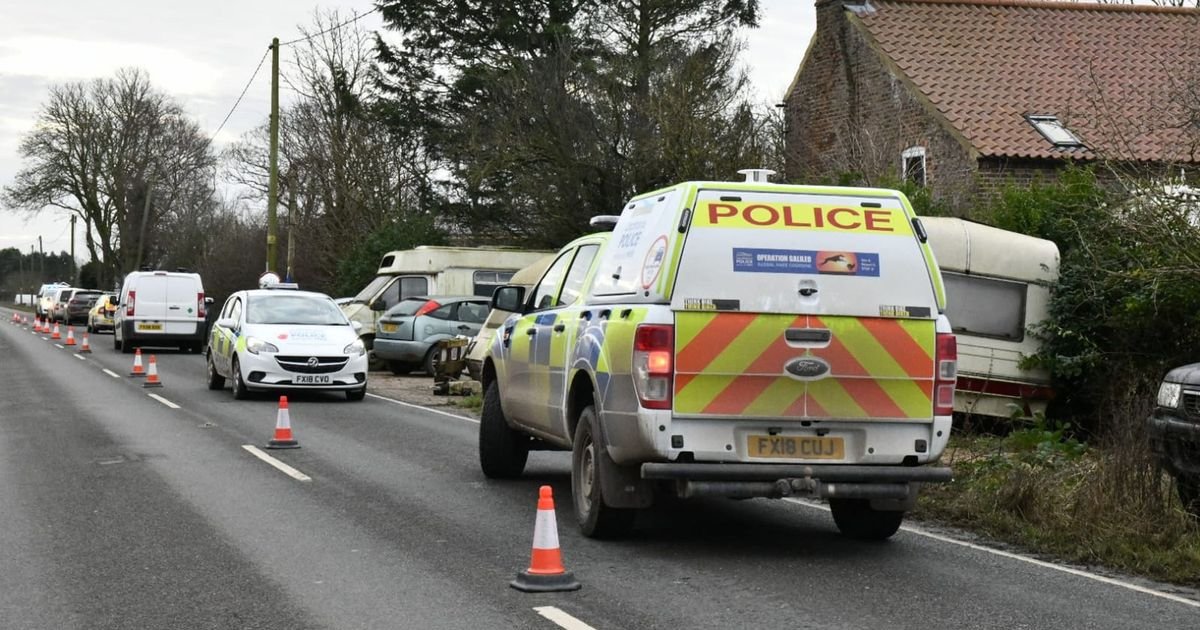
She was a registered charity fundraising through an agency which took most of the money raised and the Charity Commission had her under investigation since 2016 for financial irregularities and instigated a statutory inquiry. The sanctuary was raided three times by Police, local authorities and the RSPCA seizing large numbers of animals at great expense, but the sanctuary continued operating with the owner taking in more animals to fill the places of those taken away. It highlights the lack of powers the local authorities, the police and the Charity Commission have in the UK to regulate or close down such mismanaged premises when it all goes wrong.
Animal Sanctuary owner is charged for causing alleged unnecessary suffering to animals in her care.
On May 9 2020, a year to the week after the animals were seized by police and RSPCA, the owner was charged with nine criminal offences including six counts of causing unnecessary suffering to horses, dogs, cats, pigs.and three counts of failing in her duty to ensure the welfare of animals in her care.
The unnecessary suffering charges relate to a failure to get veterinary attention for 2 long-haired cats with ear infections, chronic dental disease in 8 cats, infected wounds on 3 Shar-Pei dogs, a leg injury to a Husky dog, routine dental treatment and parasites on 3 horses and an ingrown tusk on a boar.
The other charges relate to failing to provide suitable food and fresh water to the animals in her care and not providing a suitable living environment for 14 pigs and 70 cats. She was also charged with failing to protect three dogs from pain, suffering, injury or disease. The case was adjourned until June 4 and it will prove interesting to see the reaction to the result whether proven or not, any punishment that may be imposed and whether the sanctuary is allowed to continue operating.
The complaints that the animals were allegedly suffering from gives an indication that the staff of the sanctuary did not have the experience or expertise to recognise or provide the necessary care the animals urgently required or an understanding of the potential ongoing problems of accepting them in the first place.
When sanctuaries and rescues like this fail, it is the stress and anguish to the animals when they must be removed for their own safety which is the most tragic consequence of it all. Hopefully this case might encourage all the authorities and agencies involved to push for urgent legislation to bring some kind of measure of control over these establishments.