Longleat criticised for importing koalas for money-making.

Visitors to animal attractions should not be fooled by all the conservation hype.

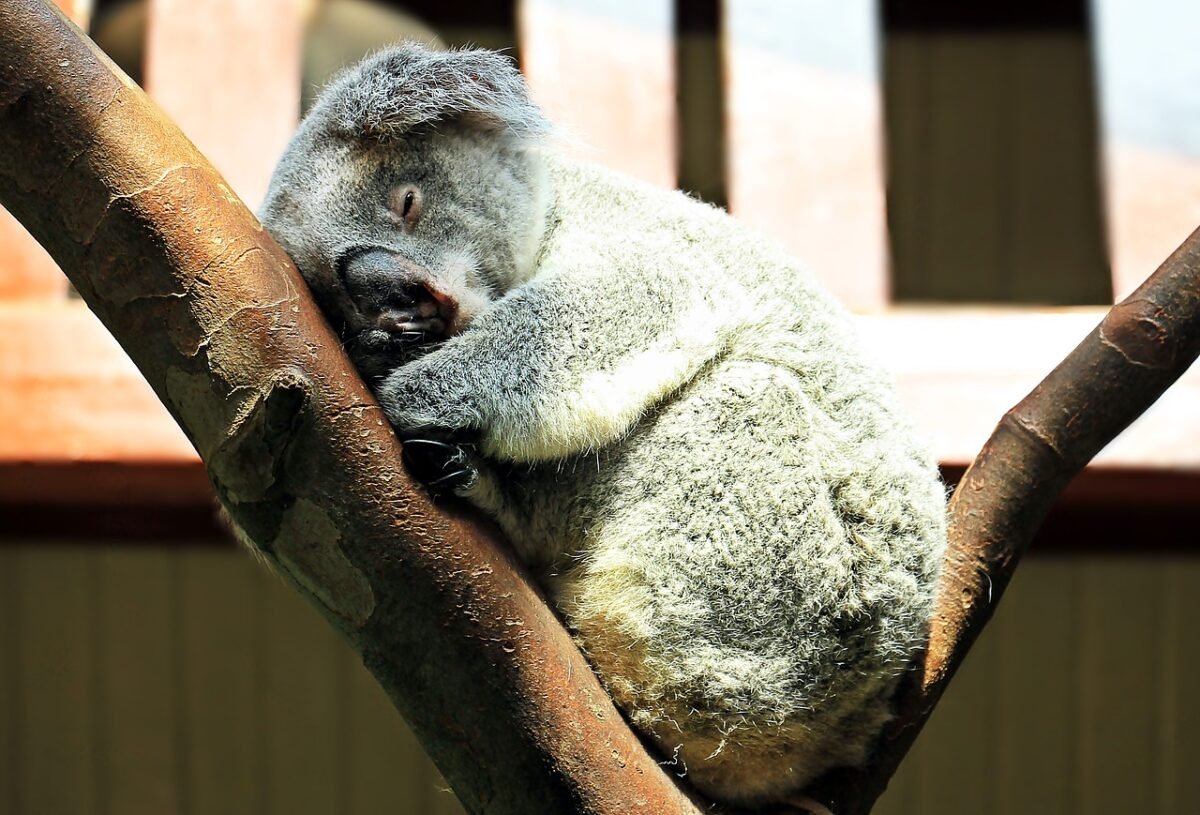
Longleat Safari Park came under intense criticism in October 2018 by the Born Free Foundation for importing five southern Koala bears half-way round the world from eastern Australia to stock their new “Koala Creek” attraction. Although Longleat strongly refuted the suggestion that the attraction was a “money-making” venture and insisted it was a vital conservation and research project it is strange that two wombats were also obtained along with some Pottoroos to form the new Koala Creek located next to the Giant Otters and Crocodiles. Whether scientific or money making it did wonders in increasing footfall and publicity for the park. 

One has already died unnecessarily in the name of conservation.

There was so much wrong with this enterprise including the timing of its opening on the 29th. March just as the school Easter holidays were approaching which cannot have been a coincidence. Longleat were also quick to point out and promote the attraction as the only place in the UK to see Koalas.  It is so similar to the Chinese hiring out Giant pandas for zoos to increase their income.

One female Koala tragically died  soon after arrival from kidney failure.  Luckily it wasn’t Dennis the only male of the five otherwise the ‘breeding programme’ would have been a non-starter. Apparently Dennis was found to be too young to breed anyway so this necessitated another “rare” male 12 year old Koala named Burke, a proven breeder, travelling 10,000 miles from a zoo in Japan. So far it would appear that neither Dennis or Burke are making much headway in saving the world’s koala species. 

There is also the question of how “vulnerable” Koala numbers are, as Australian authorities have in the past allegedly killed at least 700 koalas in euthanasia culls in coastal bushland areas near Melbourne because of overpopulation and “for their own good”. Koala  populations are “strong” in southern Australia according to many sources and there are dozens of sanctuaries, zoos, wildlife parks and attractions throughout Australia that have them in captivity. 

The Koalas have not been but from a pseudo wildlife park called Cleland Park which is one of the few in Australia where you can manhandle and cuddle these shy, sedate and easily stressed animals for an extra fee to have your photograph taken. This behaviour is finally being phased out by most other similar enterprises.
male tiger in zoo

Lions and Tigers killed at Longleat.

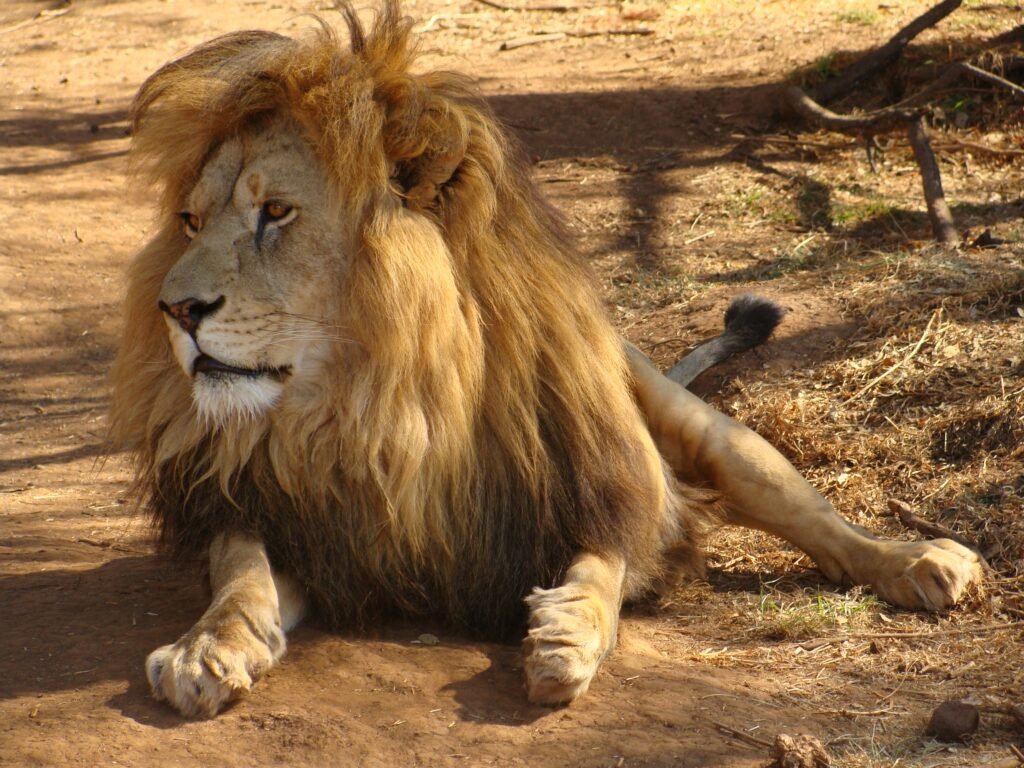
It is not the first time that Longleat has come under scrutiny as in 2014 The Mail on Sunday newspaper alleged that they had a lion breeding programme to ensure there are always cubs on show and that they had killed adults and cubs in the past. In February 2019 a female tiger named Amur was killed in a fight with two other tigers and two other female tigers died an early death, one from cancer and the other from a heart attack brought on by a routine medical operation. These were part of another breeding programme which produced two cubs in 2019, but obviously not doing much to increase the endangered tiger population with all the deaths.

Zoo conservation programmes are often not what they seem and the animals often suffer the consequences of the research. Zoos like to hide behind their conservation and educational credentials rather than admit that they are predominately part of the entertainment industry and for this reason it is not surprising that some people may approach such projects cynically and view them unethical. I hope that everyone who visits such attractions should not be fooled by all the conservation hype and appreciate what animals have gone through to provide a day’s entertainment.

No paradise for the Gili Island ponies

Cidomo, pony cart, Gili island, horse abuse
Cidomo pony carts on the narrow streets of Gili islands.

The mass expansion of tourism on the motorless Gili Islands, Lombok is giving local ponies a hard time.

Recently I spent a few days on the Gili islands during a lengthy trip visiting Lombok island and it was fascinating to see the ponies and brightly coloured carts locally known as the “Cidomo”. They are literally the workhorses of the islands which have no motorised transport, although electric-powered scooters are now making their presence known. All supplies for the islands arrive by boat and almost everything is then transported to their final destination by the “Cidomo’, including the tourist hordes who are laden down with their luggage.

Pony cart, Overloading, horse cruelty, Cidomo
A pony taking the strain of heavy cement sacks destined to build more guest houses.

There are many social media and internet sites set up by tourists who have visited the islands decrying the way these ponies are cared for, but ironically in the case of the Gilis it is the pressures of increasing tourism which is causing many of the problems. I have read posts by horse lovers who on one hand hypocritically condemn their use but still cannot resist using them.Most if not all the ponies are in good bodily condition, but it is the way they are driven and loaded which is unsatisfactory. Some of the problems are the result of lack of knowledge and education of the owners and drivers.

The need for evermore guest houses and hotels is one main cause of their overloading with cement, roofing and other building materials and also supplies to keep the tourists happy and healthy such as bottled water and beer. The building spree is also taking away grazing and exercise land for them.

Another problem is the unnecessary overloading by the tourists themselves by their insistence of squeezing four people into a cart with their baggage to save money and by agreeing to pay outlandish fees which only encourages more Cidomos over to be brought to the islands as owners and drivers see this trade as easy money from gullible tourists.

Overloaded pony cart, Cidomo, Gili islands, Lombok, Indonesia
Roofing material destined for new tourist guest houses. The demand causes more hardship for the ponies. Credit: Deborah Jacob

A third issue is the young immature drivers using them to race round at high-speed along the narrow, rutted island streets and tracks, often with the misguided encouragement of the tourists treating it like an adventure theme ride. This becomes a danger to tourists wandering the streets and no doubt must cause the occasional accident. In fact, the driver’s haste is to get back for another fare before the new arrivals do the sensible thing and walk the short distance to their hotel. Most hotels are within walking distance.

The Gilis are a typical example of how tourists visiting an increasingly overloaded tourist destination can inadvertently encourage the abuse of local animals through ignorance of animal welfare issues. In this case it is the lazy tourist who on arrival by ferry at the harbour find lines of cute Cidomos and mistakenly want to take part in what they believe is a bit of local tradition. The more lazy among us also find it easier in the heat to make use of them instead of walking.  It is possible to alleviated the situation by only using the carts to carry their bags and walking beside it, but few think of this.

Hores abuse, pony, Gili Islandss
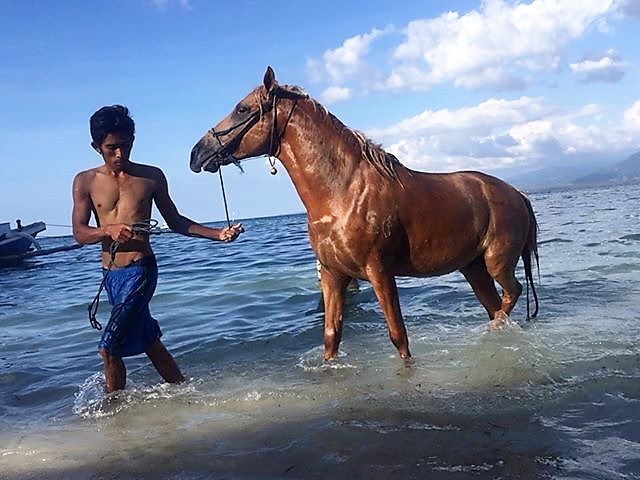
A Gili pony having a well earned bath at the end of a hard day with its young driver. Credit: Dan Mills

The Gili island cidomos were not put there as a tourist attraction but are a traditional local form of transport that have been in use by the local Sisak people thoughout recent history and are still widely used all over Lombok and other islands providing a taxi service for many of the poverty-stricken residents. Compared with the ponies on the Gilis these are the ones that are really suffering and where the focus for concern is required.

Many local residents rely on this cheap form of taxi service on Lombok.

The Gili ponies are not as bad off as those on Lombok and other islands which most tourist either do not see or take notice of. We had the time and inclination to visit the suburbs, communities and markets of Mataram the capital of Lombok interacting with the local people, where it was obvious that there was a great need for the use of Cidomos, which suffer greatly from overloading, the dangers of heavy traffic and poor husbandry. They offer cheap vital transport for poorer people and suffer far greater hardships than those on the Gilis.

Cidomo, suffering of ponies,
A Cidomo on the streets of Mataram, the capital of Lombok, struggling through busy traffic with local residents returning from the market. Many people cannot afford taxis and so Cidomos are a lifeline.

There are many campaigns and social media reports of the cruel treatment of Gili ponies, some of which is well-founded but much of it is overstated and out of context. Rarely do you hear about the plight of those on mainland Lombok who are in more urgent need of help. There are charities and organisations attempting to ease some of the hardships which are worth supporting, but tourists also have a responsibility to lessen their load by not using them out of laziness or for photo opportunities.

When we arrived on the Gilis we struggled the 800 yards on foot to our guest house in the heat, while others zipped by on the Cidomos and yes it was a struggle, but our consciences were clear.