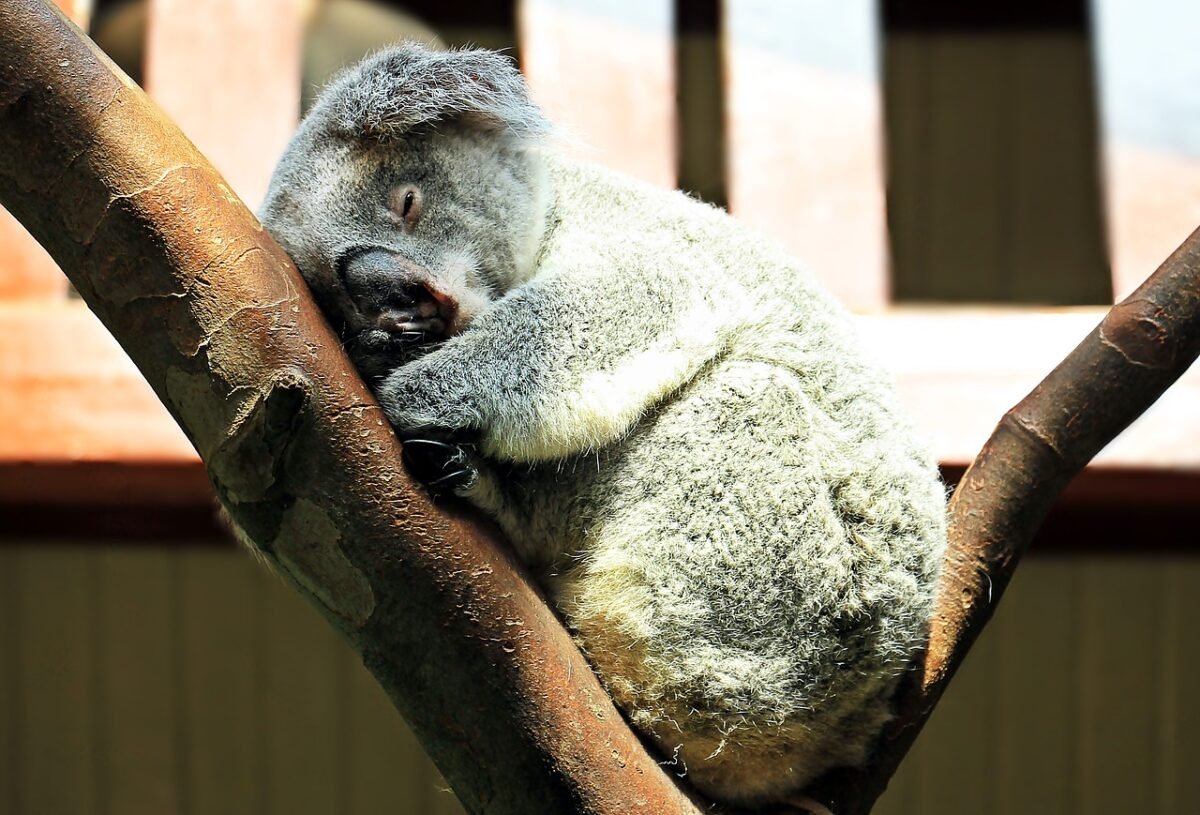
Visitors to animal attractions should not be fooled by all the conservation hype.
Longleat Safari Park came under intense criticism in October 2018 by the Born Free Foundation for importing five southern Koala bears half-way round the world from eastern Australia to stock their new “Koala Creek” attraction. Although Longleat strongly refuted the suggestion that the attraction was a “money-making” venture and insisted it was a vital conservation and research project it is strange that two wombats were also obtained along with some Pottoroos to form the new “Koala Creek” located next to the Giant Otters and Crocodiles. Whether scientific or money making it did wonders in increasing footfall and publicity for the park.
One has already died unnecessarily in the name of conservation.
There was so much wrong with this enterprise including the timing of its opening on the 29th. March just as the school Easter holidays were approaching which cannot have been a coincidence. Longleat were also quick to point out and promote the attraction as the only place in the UK to see Koalas. It is so similar to the Chinese hiring out Giant pandas for zoos to increase their income.
One female Koala tragically died soon after arrival from kidney failure. Luckily it wasn’t Dennis the only male of the five otherwise the ‘breeding programme’ would have been a non-starter. Apparently Dennis was found to be too young to breed anyway so this necessitated another “rare” male 12 year old Koala named Burke, a proven breeder, travelling 10,000 miles from a zoo in Japan. So far it would appear that neither Dennis or Burke are making much headway in saving the world’s koala species.
There is also the question of how “vulnerable” Koala numbers are, as Australian authorities have in the past allegedly killed at least 700 koalas in euthanasia culls in coastal bushland areas near Melbourne because of overpopulation and “for their own good”. Koala populations are “strong” in southern Australia according to many sources and there are dozens of sanctuaries, zoos, wildlife parks and attractions throughout Australia that have them in captivity.
The Koalas have not been but from a pseudo wildlife park called Cleland Park which is one of the few in Australia where you can manhandle and cuddle these shy, sedate and easily stressed animals for an extra fee to have your photograph taken. This behaviour is finally being phased out by most other similar enterprises.
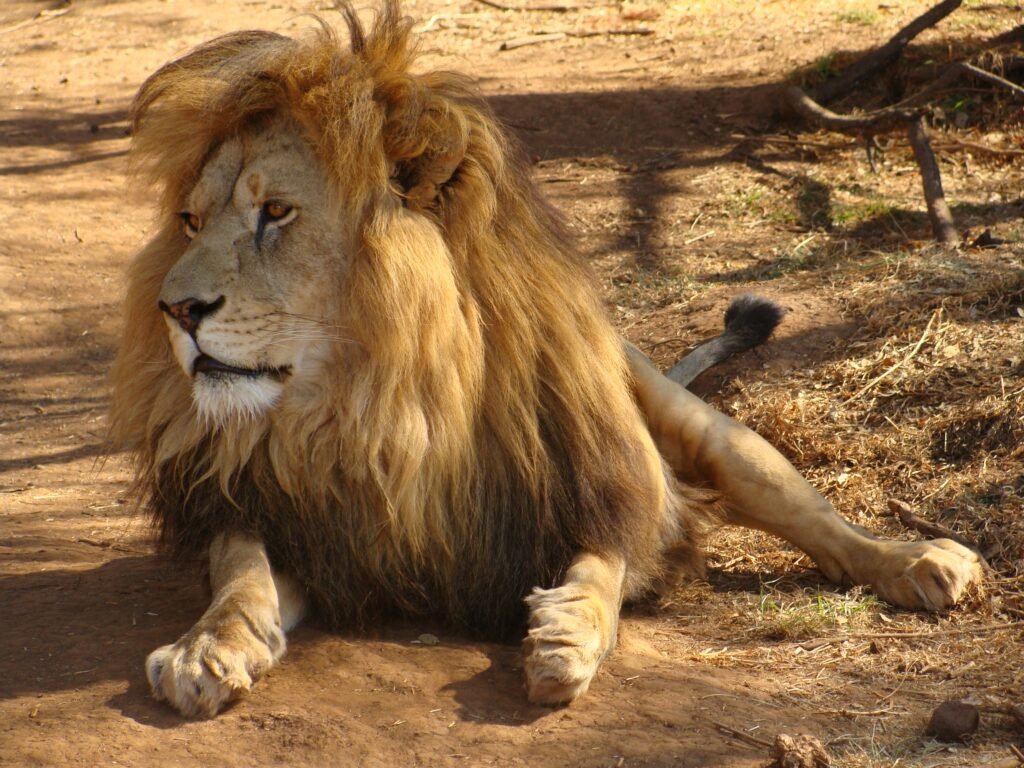
Lions and Tigers killed at Longleat.
It is not the first time that Longleat has come under scrutiny as in 2014 The Mail on Sunday newspaper alleged that they had a lion breeding programme to ensure there are always cubs on show and that they had killed adults and cubs in the past. In February 2019 a female tiger named Amur was killed in a fight with two other tigers and two other female tigers died an early death, one from cancer and the other from a heart attack brought on by a routine medical operation. These were part of another breeding programme which produced two cubs in 2019, but obviously not doing much to increase the endangered tiger population with all the deaths.
Zoo conservation programmes are often not what they seem and the animals often suffer the consequences of the research. Zoos like to hide behind their conservation and educational credentials rather than admit that they are predominately part of the entertainment industry and for this reason it is not surprising that some people may approach such projects cynically and view them unethical. I hope that everyone who visits such attractions should not be fooled by all the conservation hype and appreciate what animals have gone through to provide a day’s entertainment.

